


- Case study
PrusaHive: An open-source smart beehive for remote bee monitoring
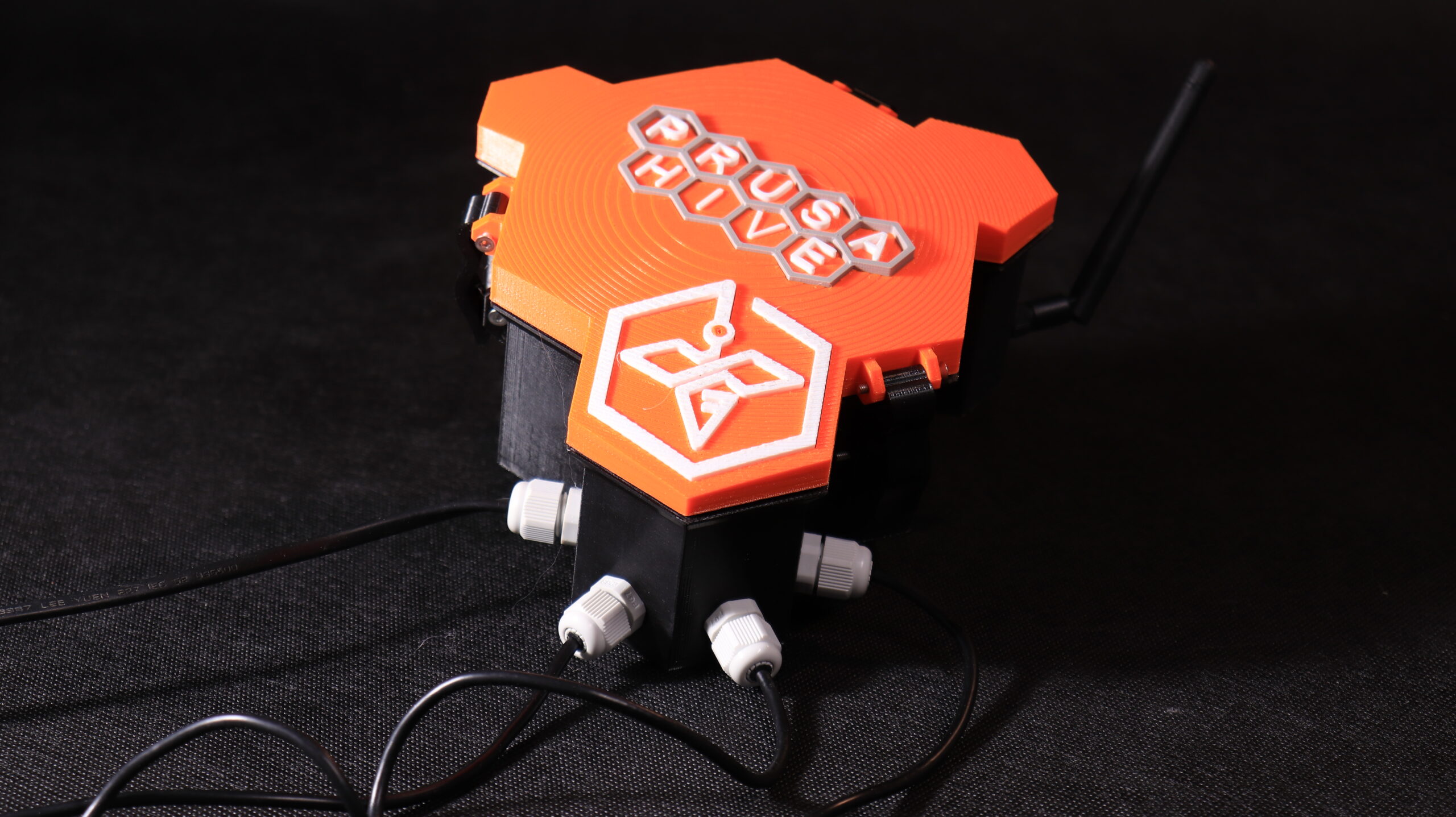
How can you keep track of a bee colony's condition without opening the hive? For the bees on the Prusa Research premises in Prague's Holešovice, we developed PrusaHive – a low-cost system built from off-the-shelf parts that measures hive weight, temperature, humidity and pressure and sends the data wirelessly. We published the instructions as open source so that any beekeeper can build one.
Customer
PrusaLab's own project for the bees on the Prusa Research premises
Field
IoT, beekeeping, open source
Year
2020–2022
Result
open build instructions using off-the-shelf parts, runs off-grid
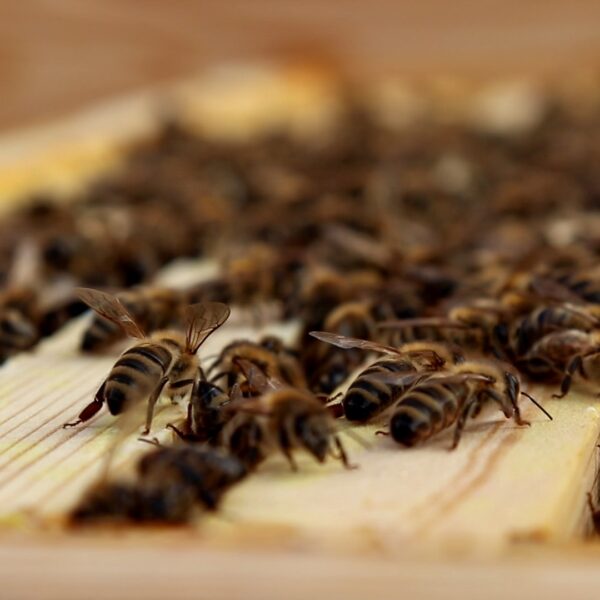
Bees in an industrial area
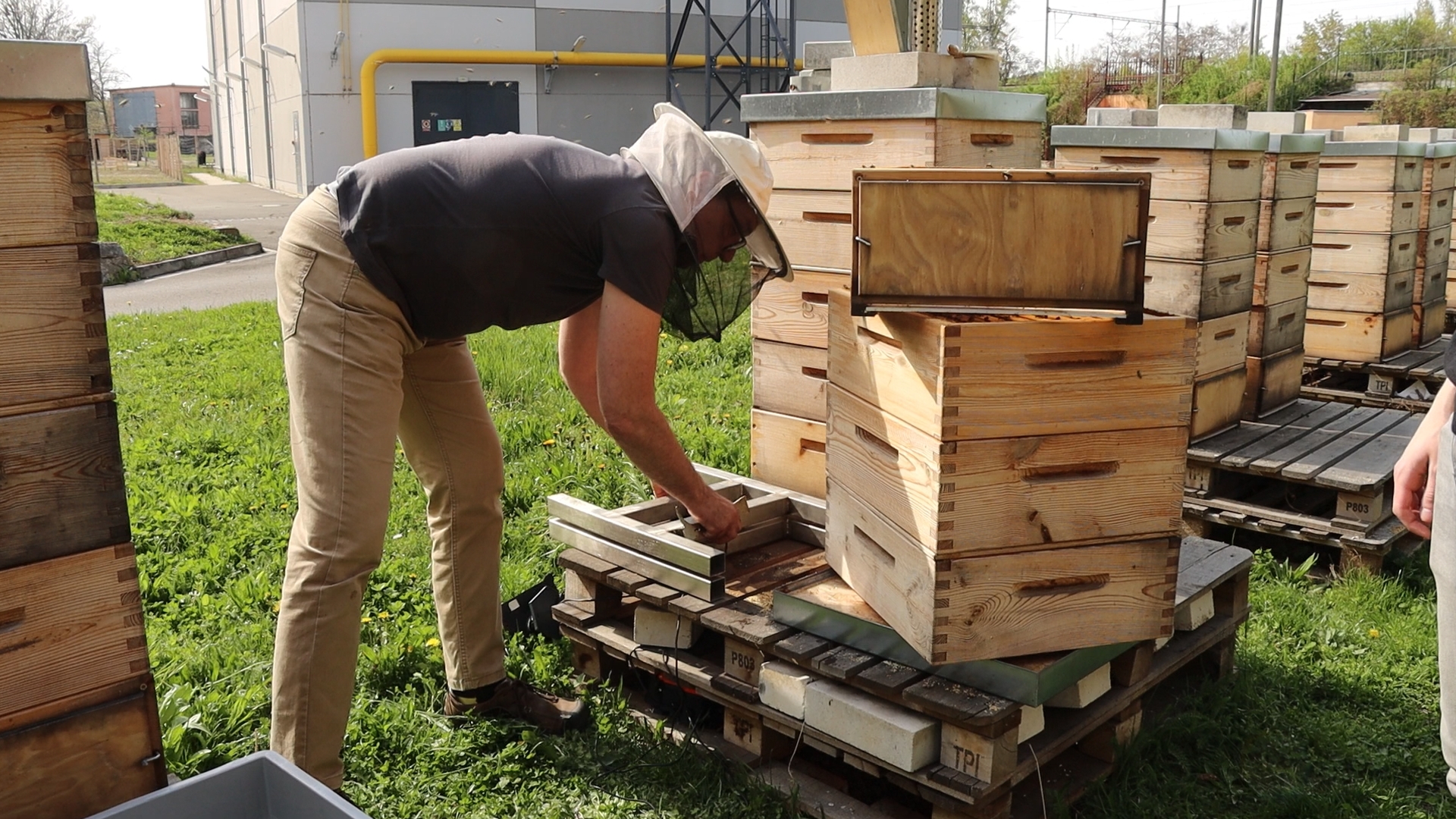
We started keeping bees on the Prusa Research premises in Holešovice, right next to Stromovka park, in 2020. And of course we fitted the hives with electronics that monitor the bees' work and health.
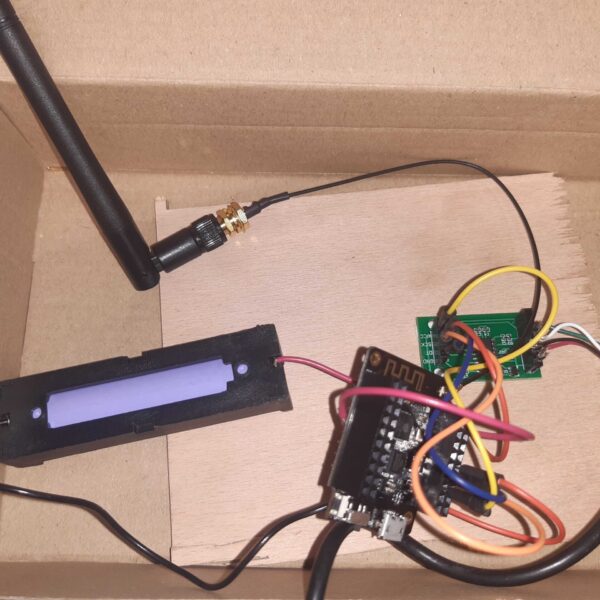
Low-cost and built from everyday parts
Commercial beehive monitoring systems tend to be expensive. So we built our own from off-the-shelf parts that any beekeeper can assemble.
What PrusaHive measures
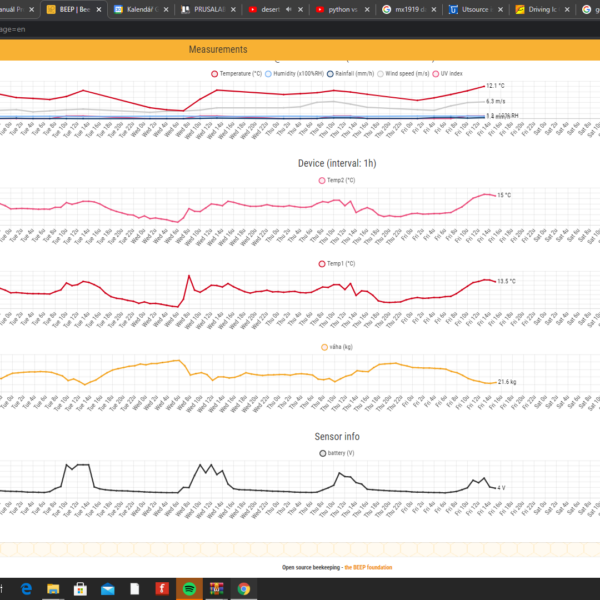
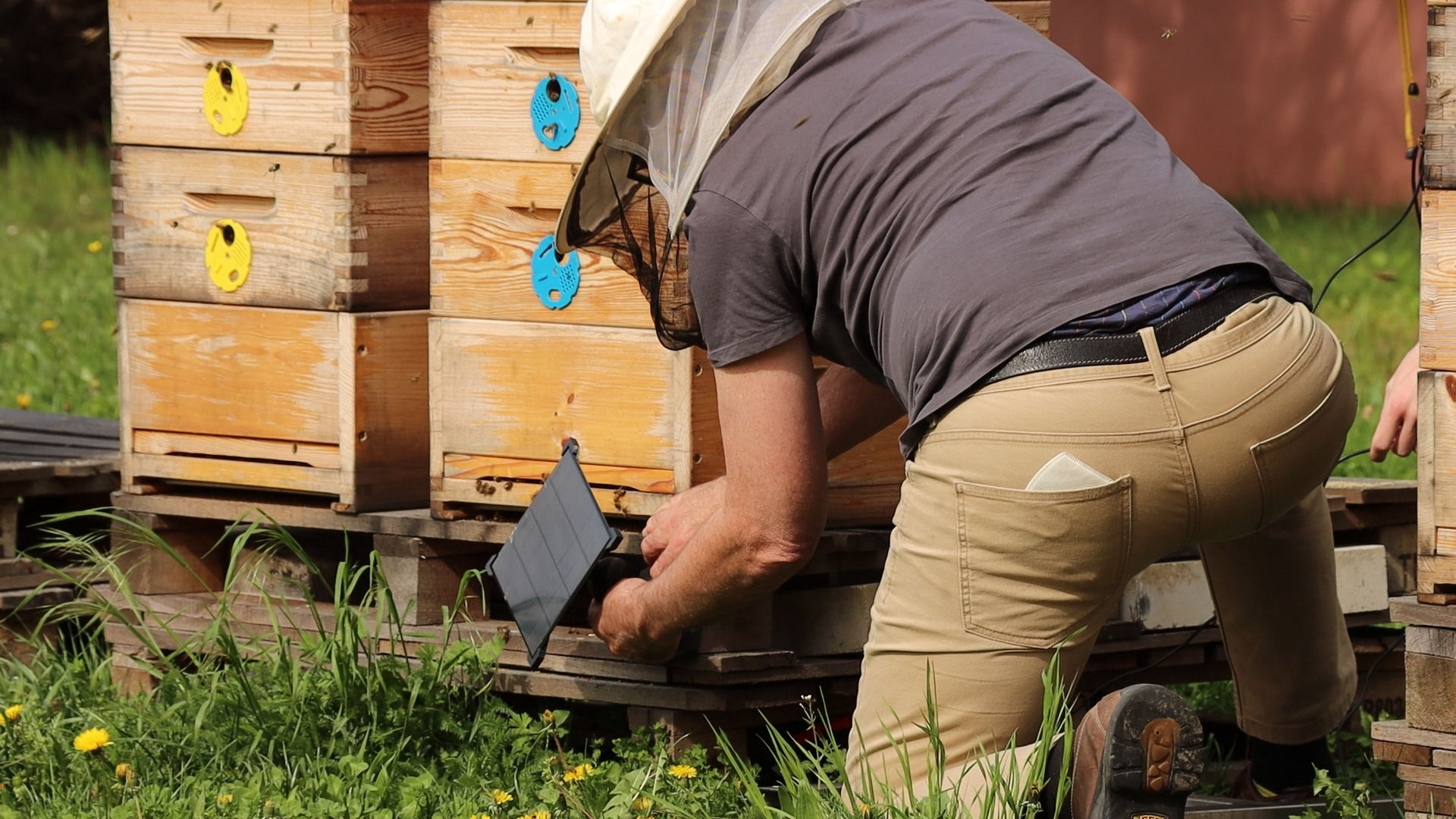
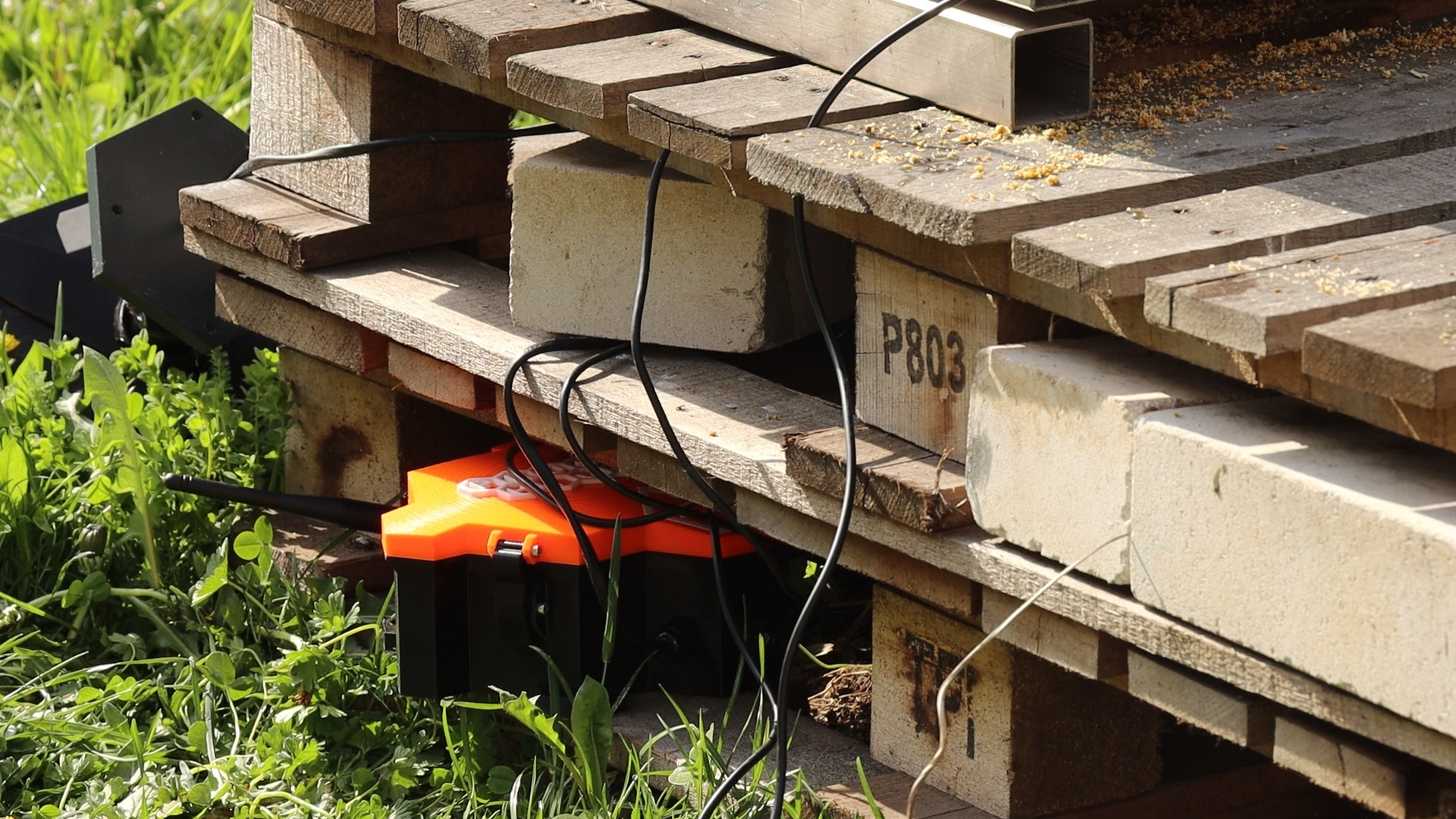
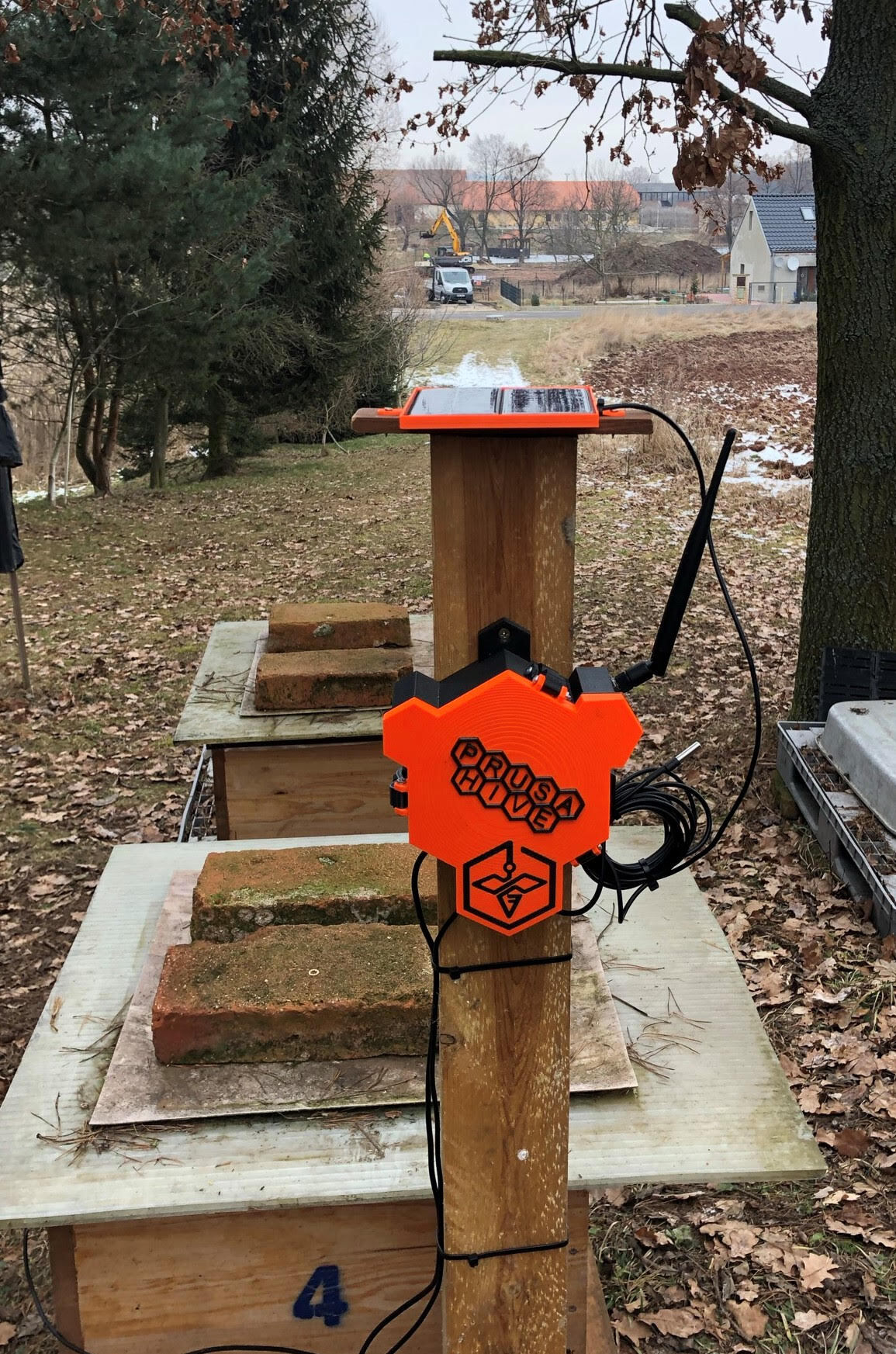
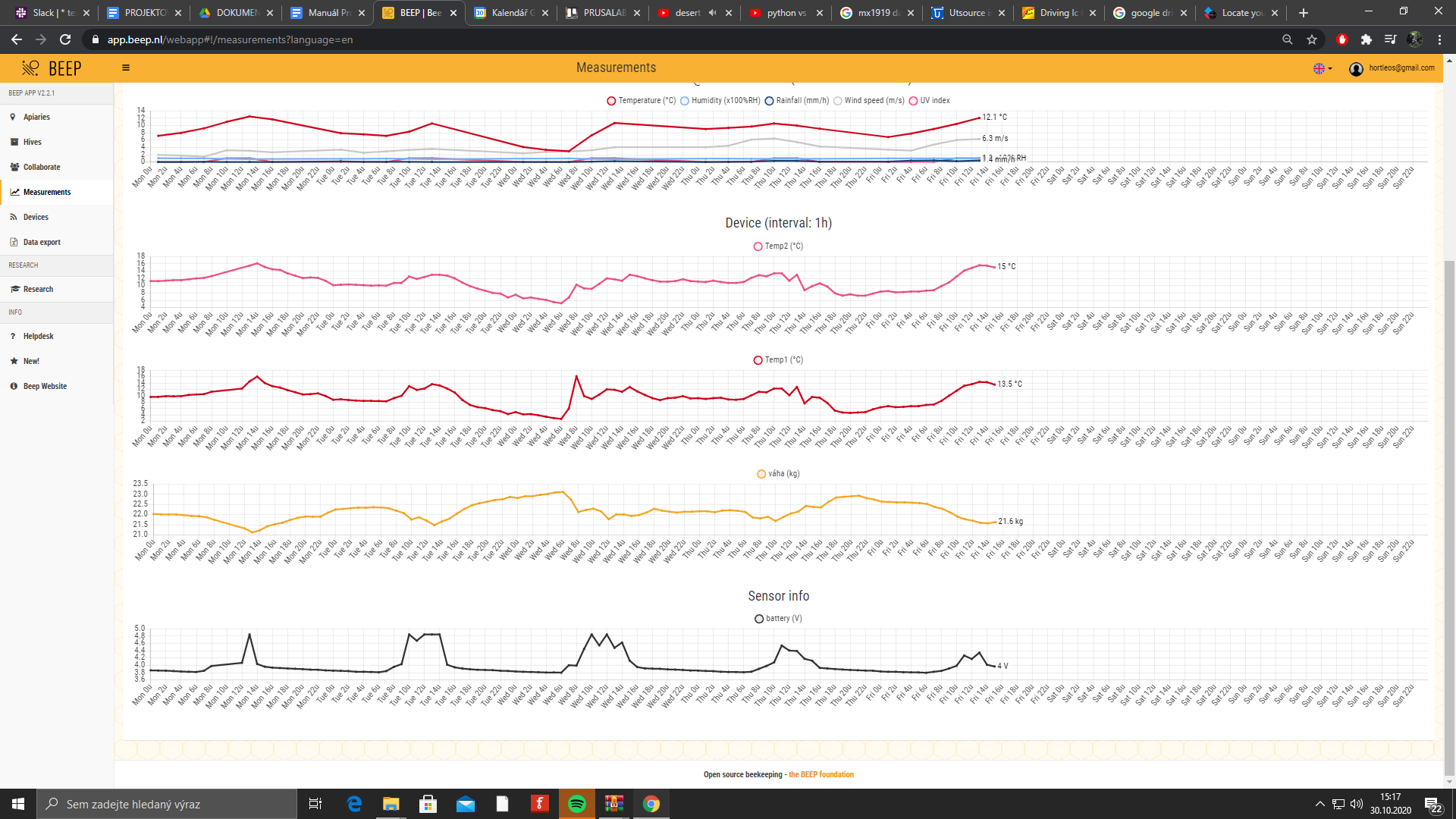
Hive weight, inside and outside temperature, humidity and atmospheric pressure. It sends the data wirelessly to the BEEP app and runs on a solar panel with a battery, so it needs no mains power.
Open to the community
We published the build instructions on Wikifactory. The community can get involved with feedback, testing or by building their own version.
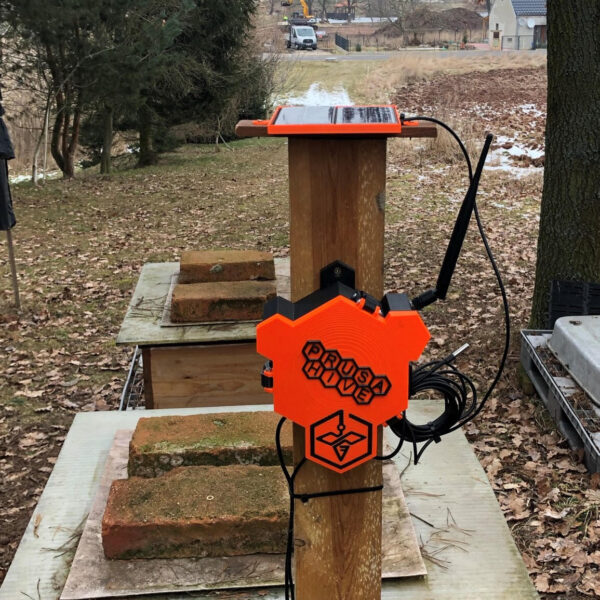
Beehive monitoring in an industrial area
At first glance, the industrial area in Prague's Holešovice doesn't look like a place for beehives. But the neighbouring Stromovka Royal Game Reserve and its rich nature give bees excellent conditions. That is why we started keeping bees here in 2020 and harvesting our own 'Holešovice meadow' honey. And it wouldn't be us if we hadn't fitted the hives with electronics that let us monitor the work and health of our bee colleagues.
Why collect data on bees
With a changing climate, long-term data collection will prove useful. The effects of global warming, pesticide use in agriculture and the impact of electromagnetic smog on bee navigation are major topics in beekeeping today. Healthy bees in sufficient numbers are essential for humankind.
Why we didn't buy an off-the-shelf solution
We are not the first to monitor bee colonies with sensors. We build on a worldwide trend started by leading universities and research teams. Commercially available devices, however, tend to be quite expensive. So we decided to help the maker community towards a solution of their own that they can build themselves cheaply.
How PrusaHive works
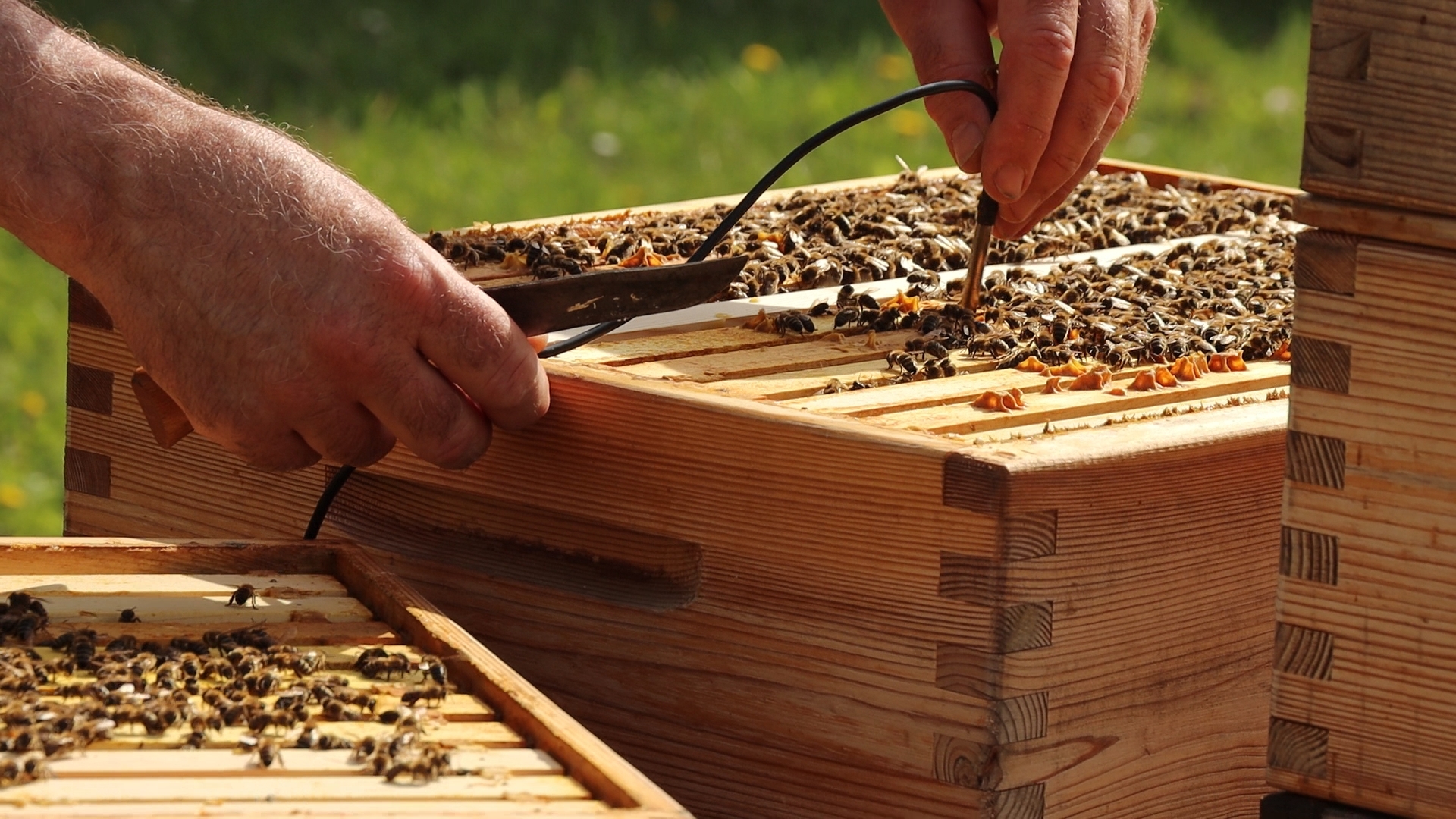
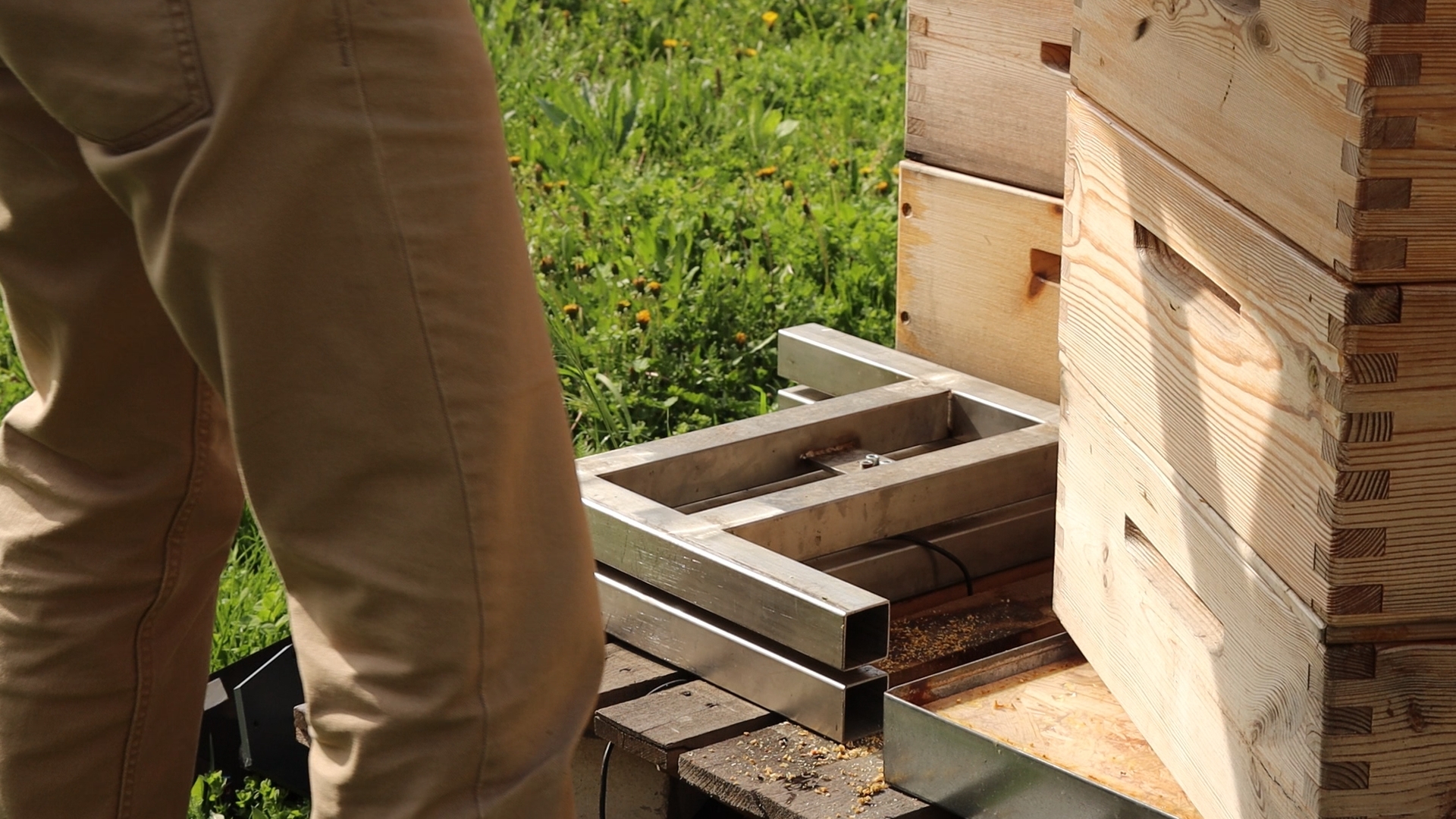
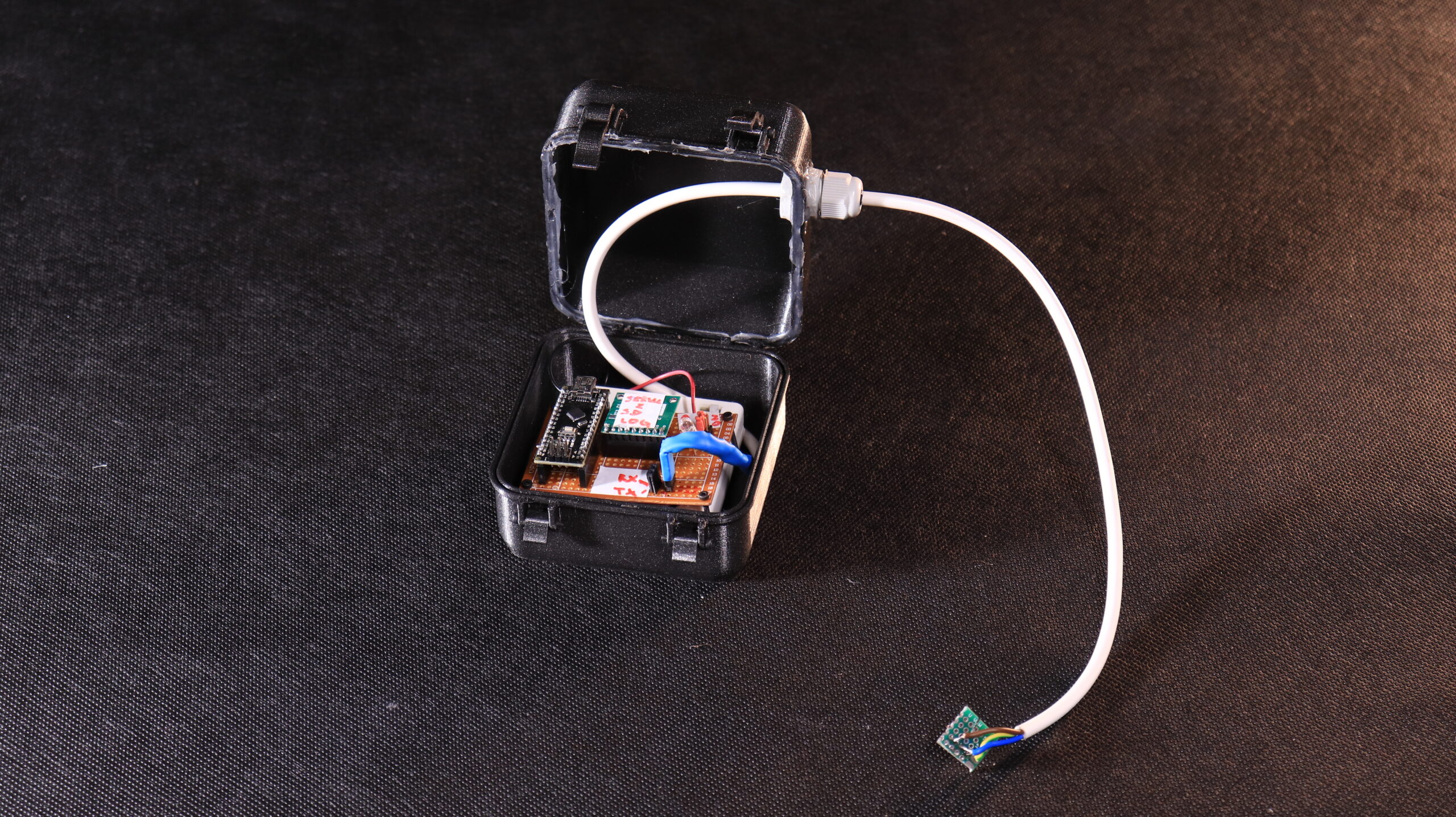
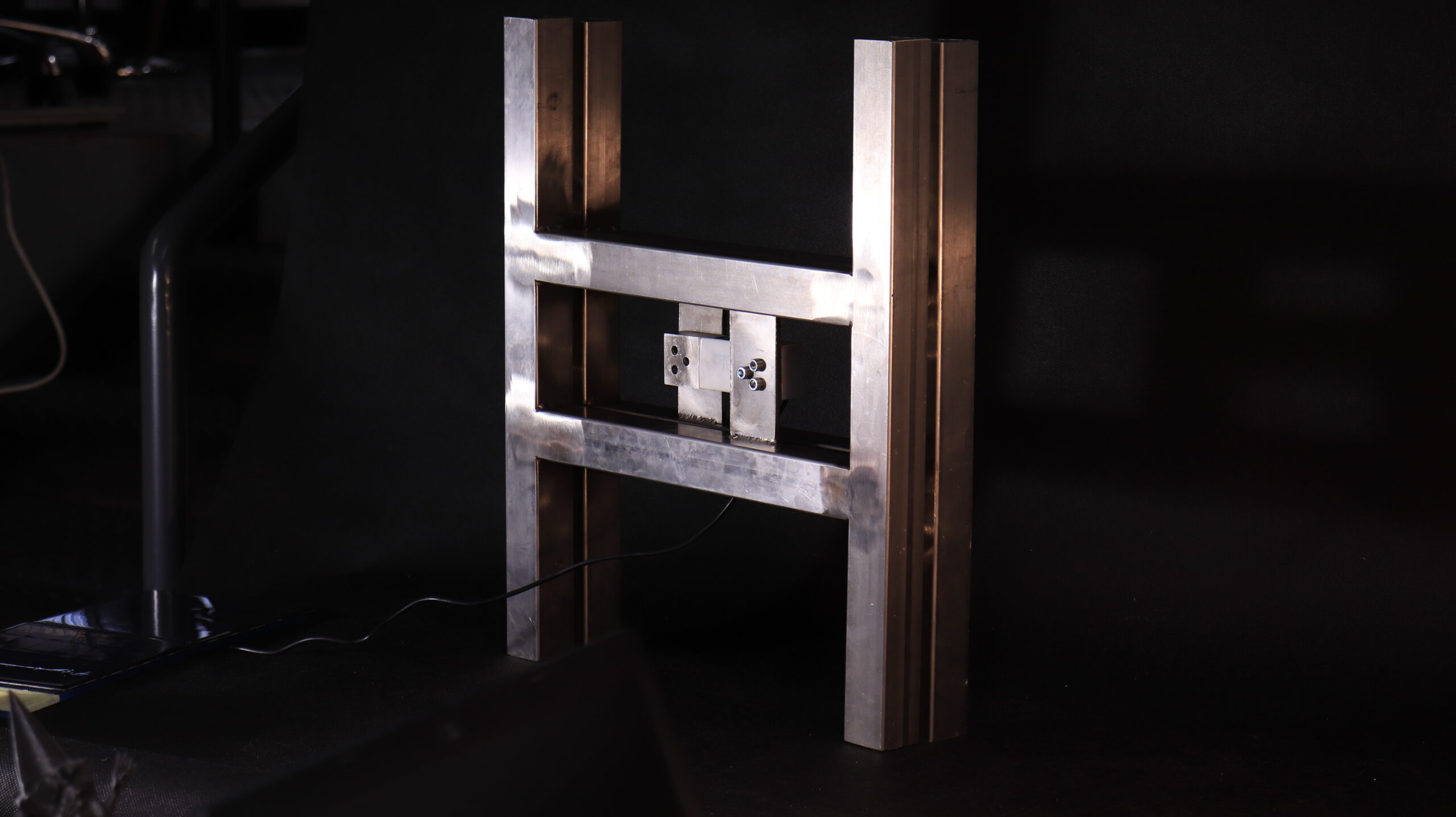
From off-the-shelf parts, we built a working system that measures and wirelessly transmits hive weight, inside and outside temperature, humidity and atmospheric pressure. The data can be displayed and analysed, for example, in the app BEEP.
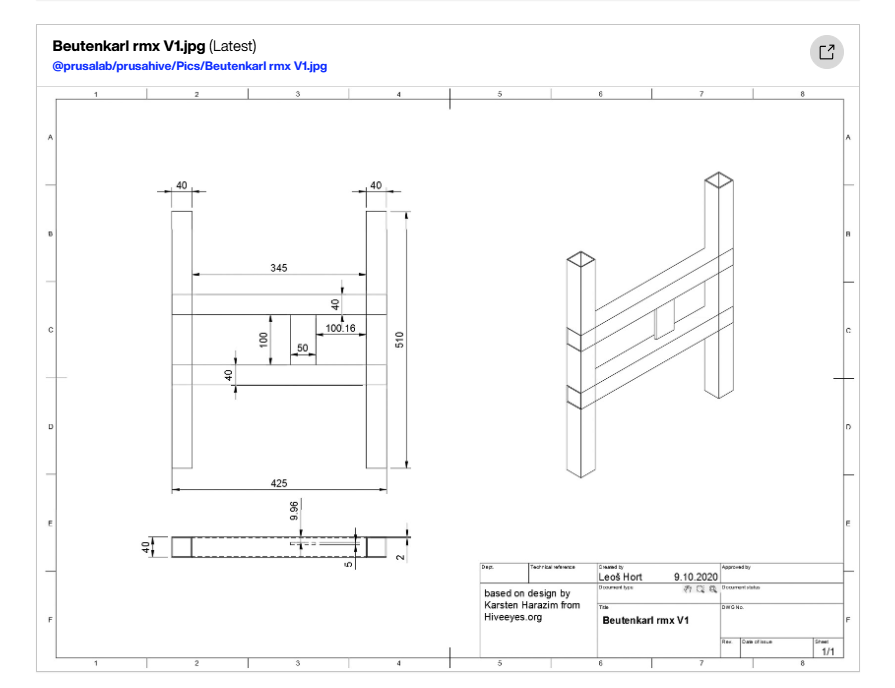
The system needs no mains power – a solar panel with a battery takes care of that. The sensors are connected modularly, so the hive is easy to take apart during inspections. You can find details of the technical solution in the video.
What we deliberately left out
The basic functions serve as a springboard. You can add sensors for concentrations of various chemicals, and some monitoring systems also transmit sound and video. We wouldn't use these advanced features, so we didn't include them in PrusaHive.
A project in the hands of the open-source community
Our first reason for creating PrusaHive was to monitor our own bees and learn something along the way. We then shared the working result with the community to support public technical education and beekeeping itself. We use what we learned during development in other Internet of Things projects.
You can find the build instructions on Wikifactory. You can get involved with feedback, testing or by building your own version.
Developing your own sensors or IoT device?
We can help with the electronics prototype and the enclosure and with validation in real-world operation – from the first sketch through iterations to testing. Get in touch.


Working on something similar?
We build prototypes, test materials and combine 3D printing with electronics and engineering.
Get in touch

