- Case study
Prototyping a carbon fork for Honza Tománek's racing handbike
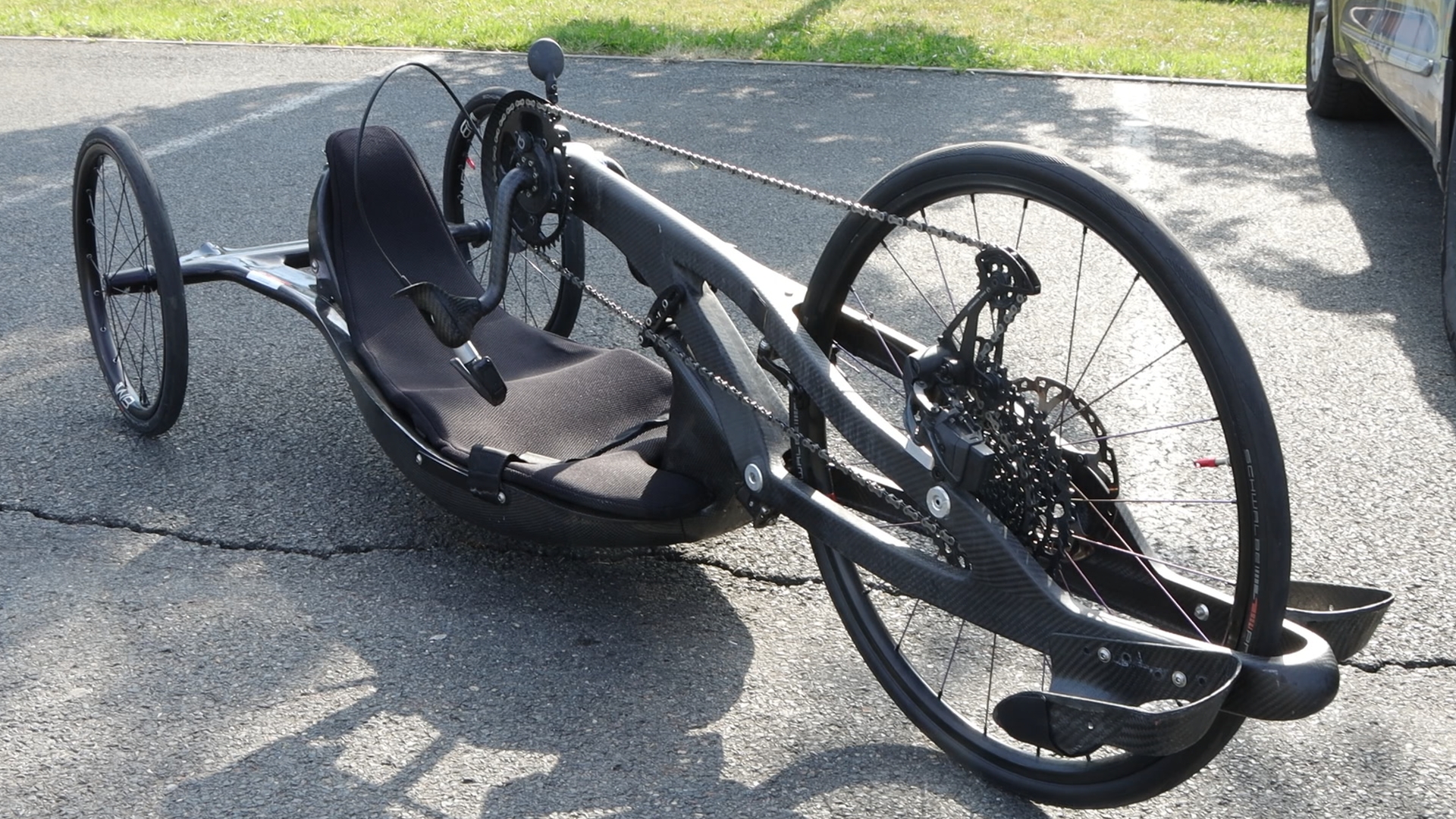
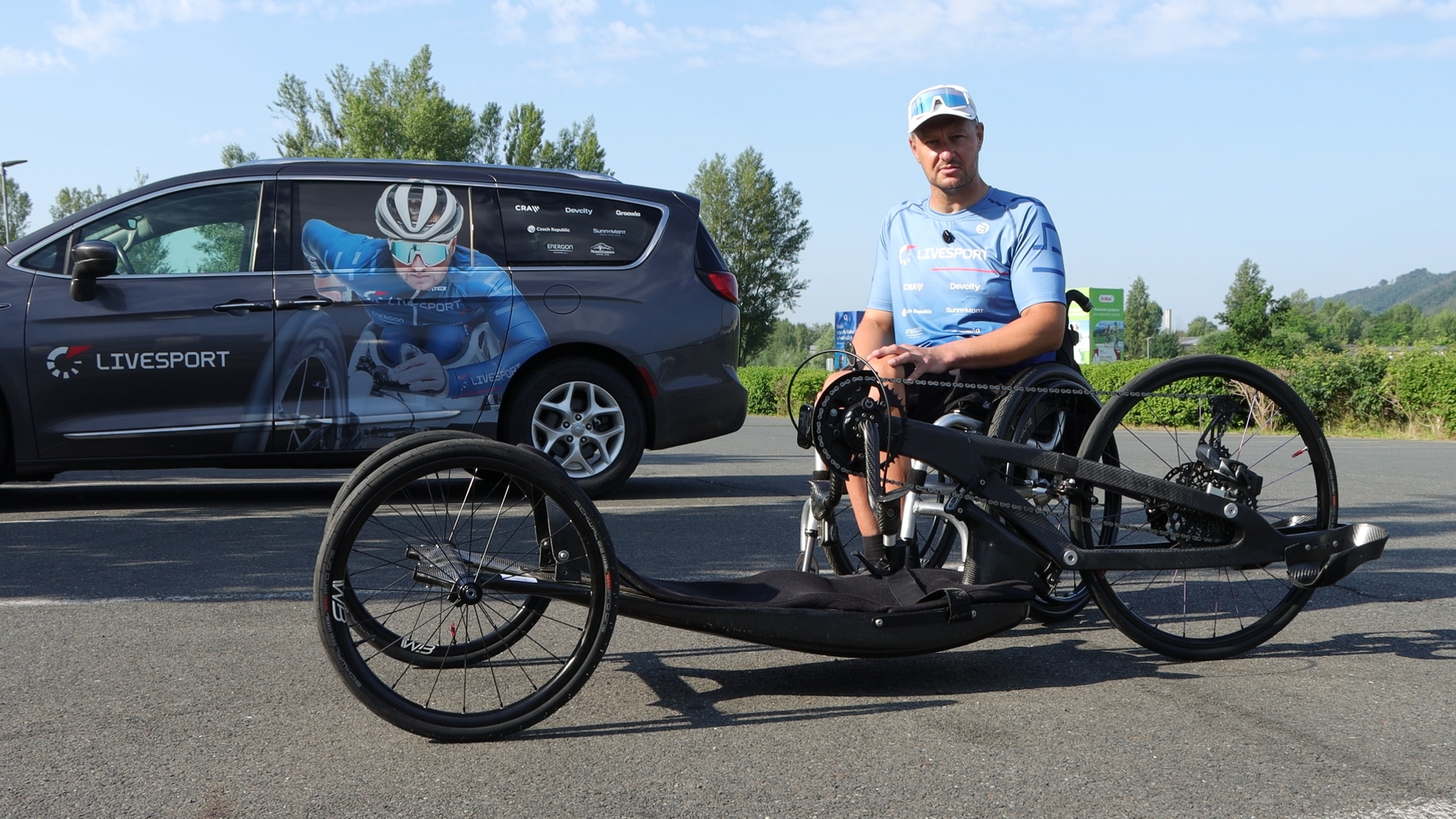
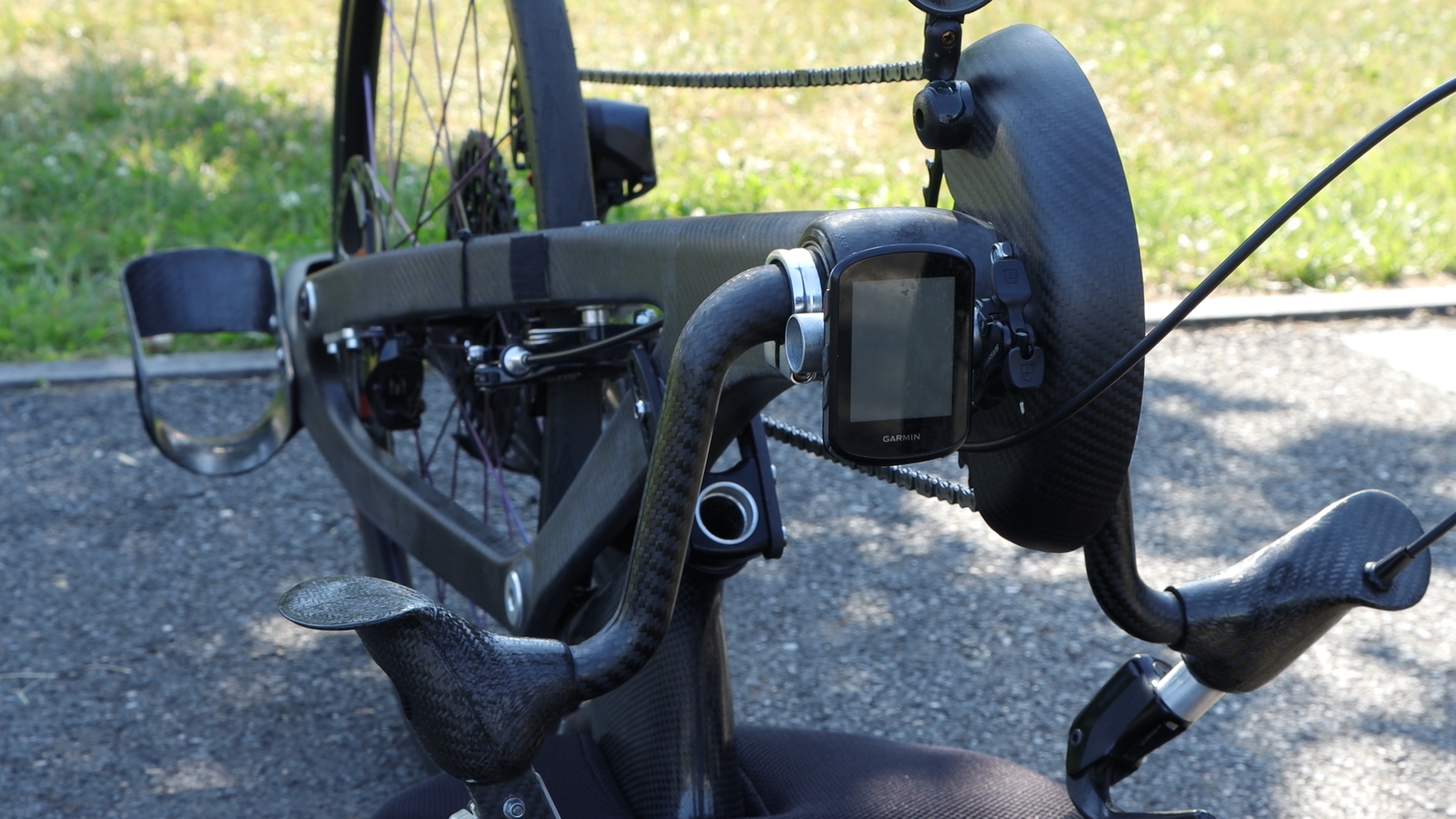
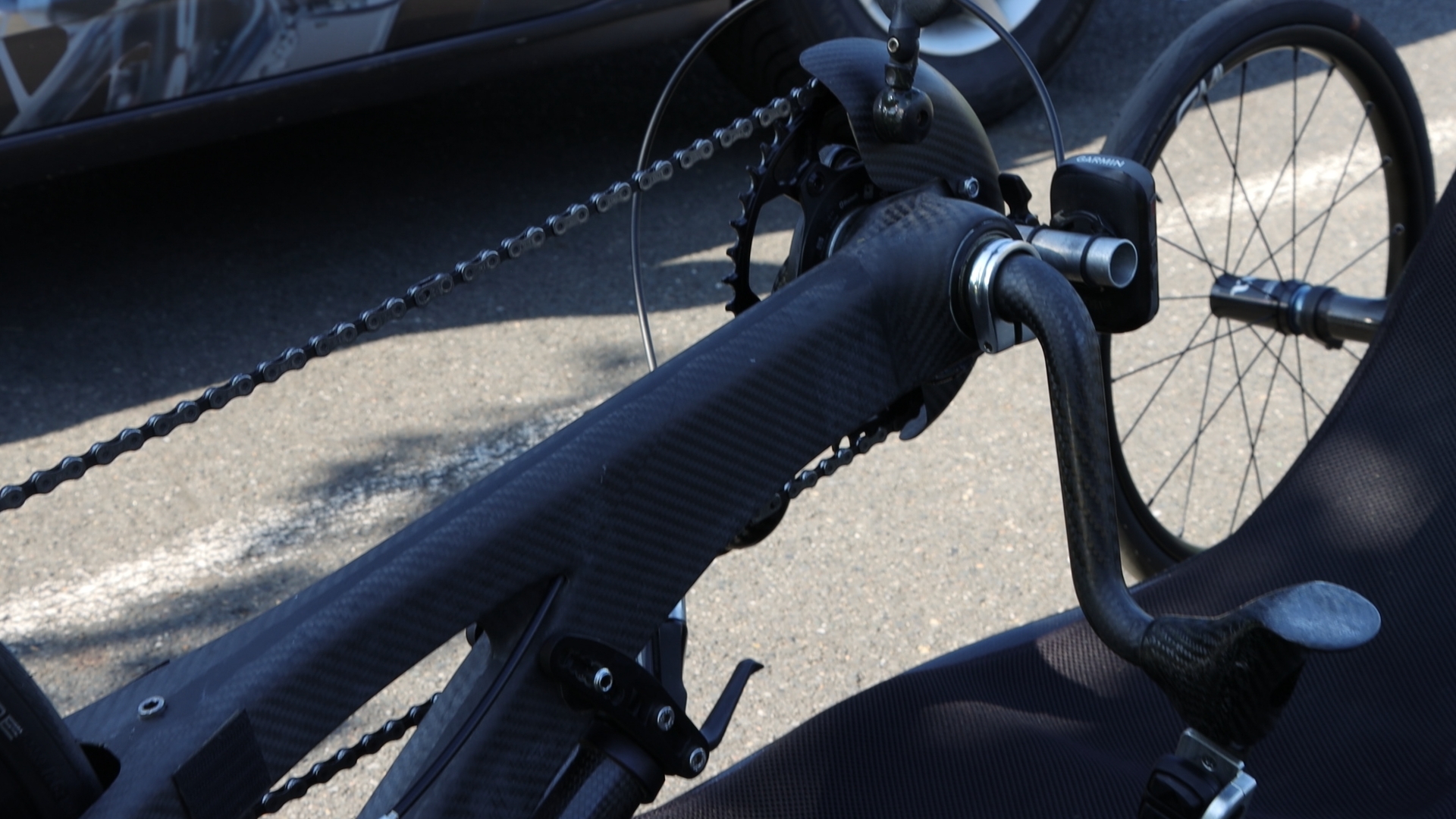
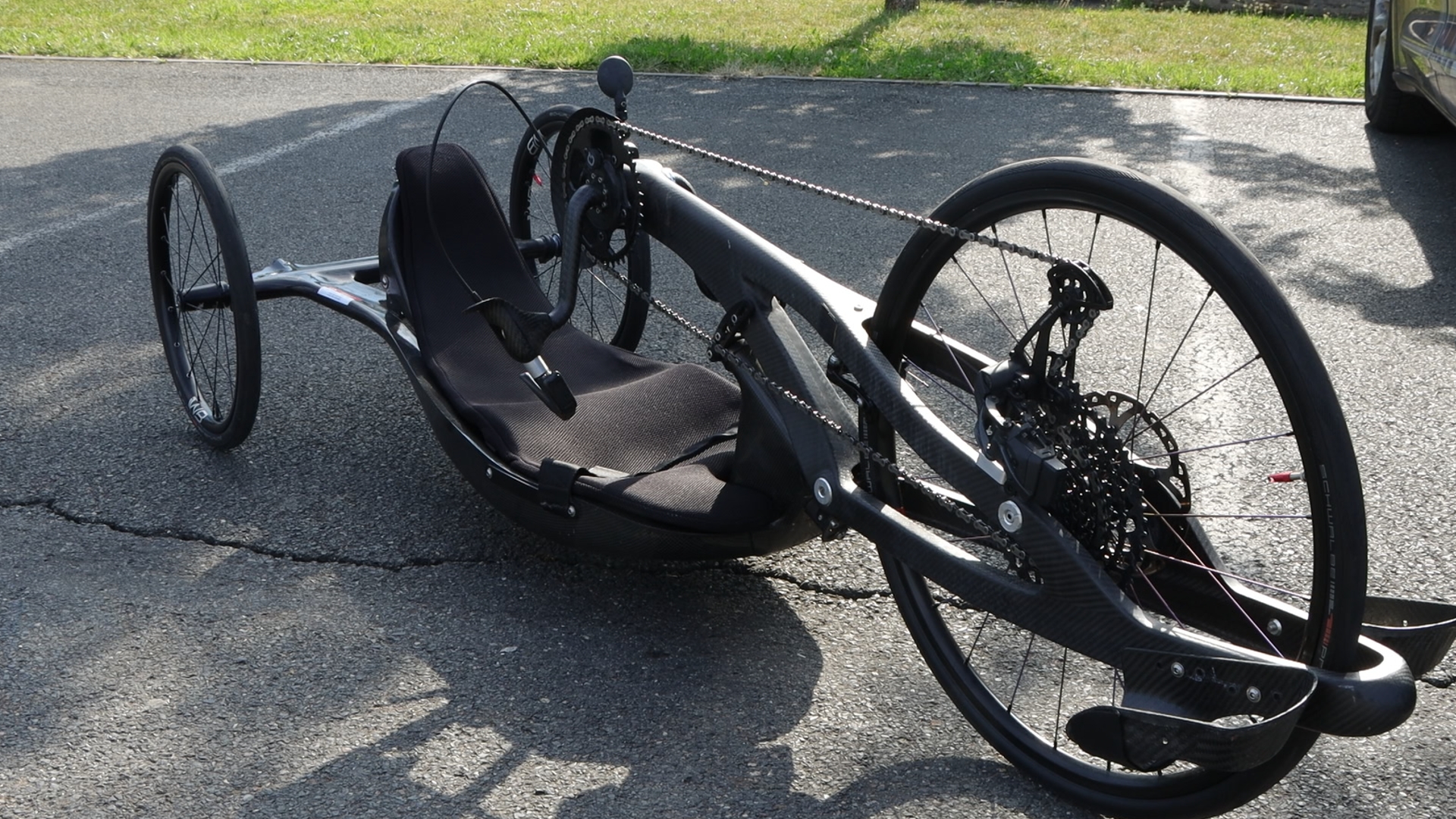
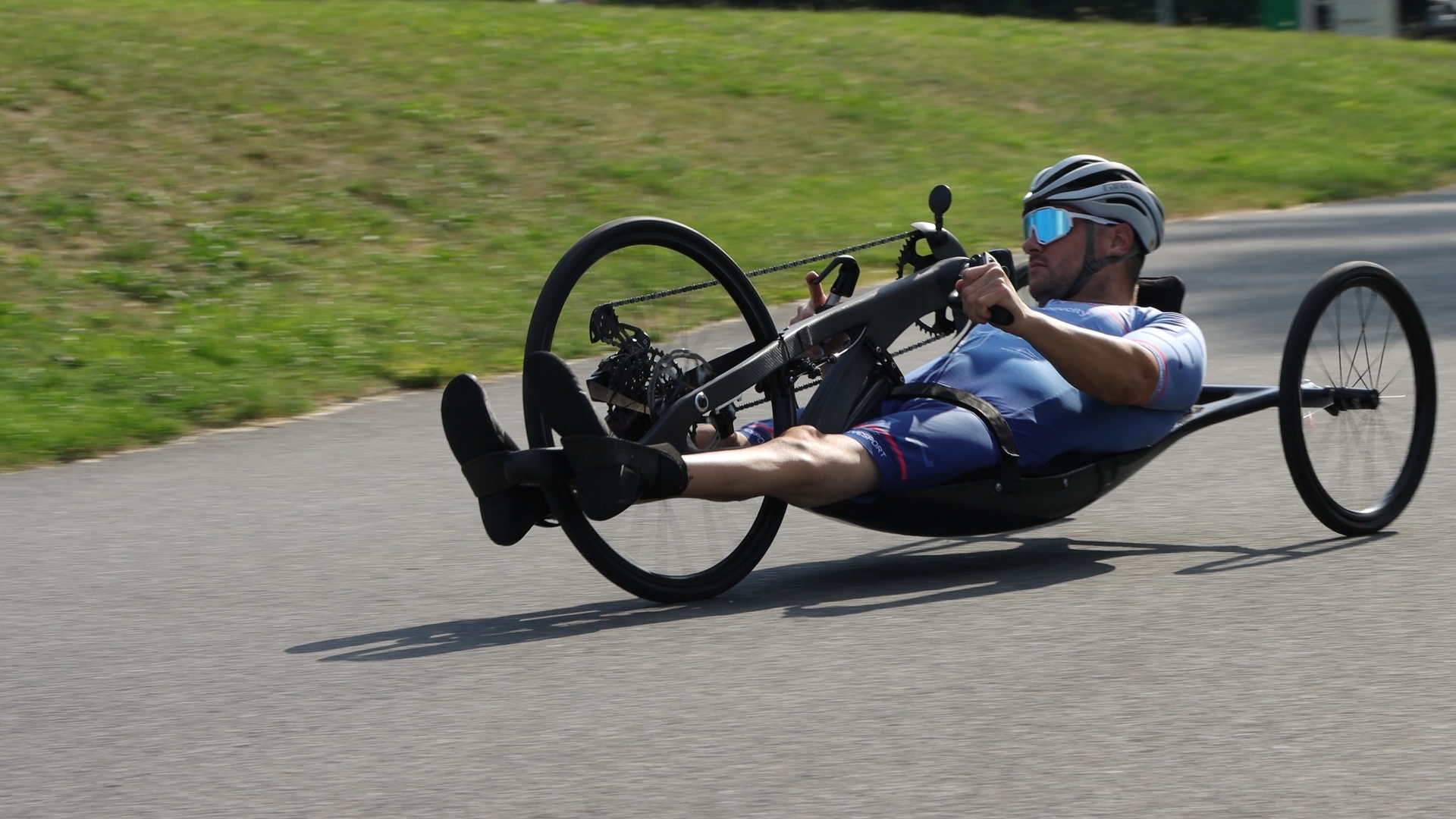
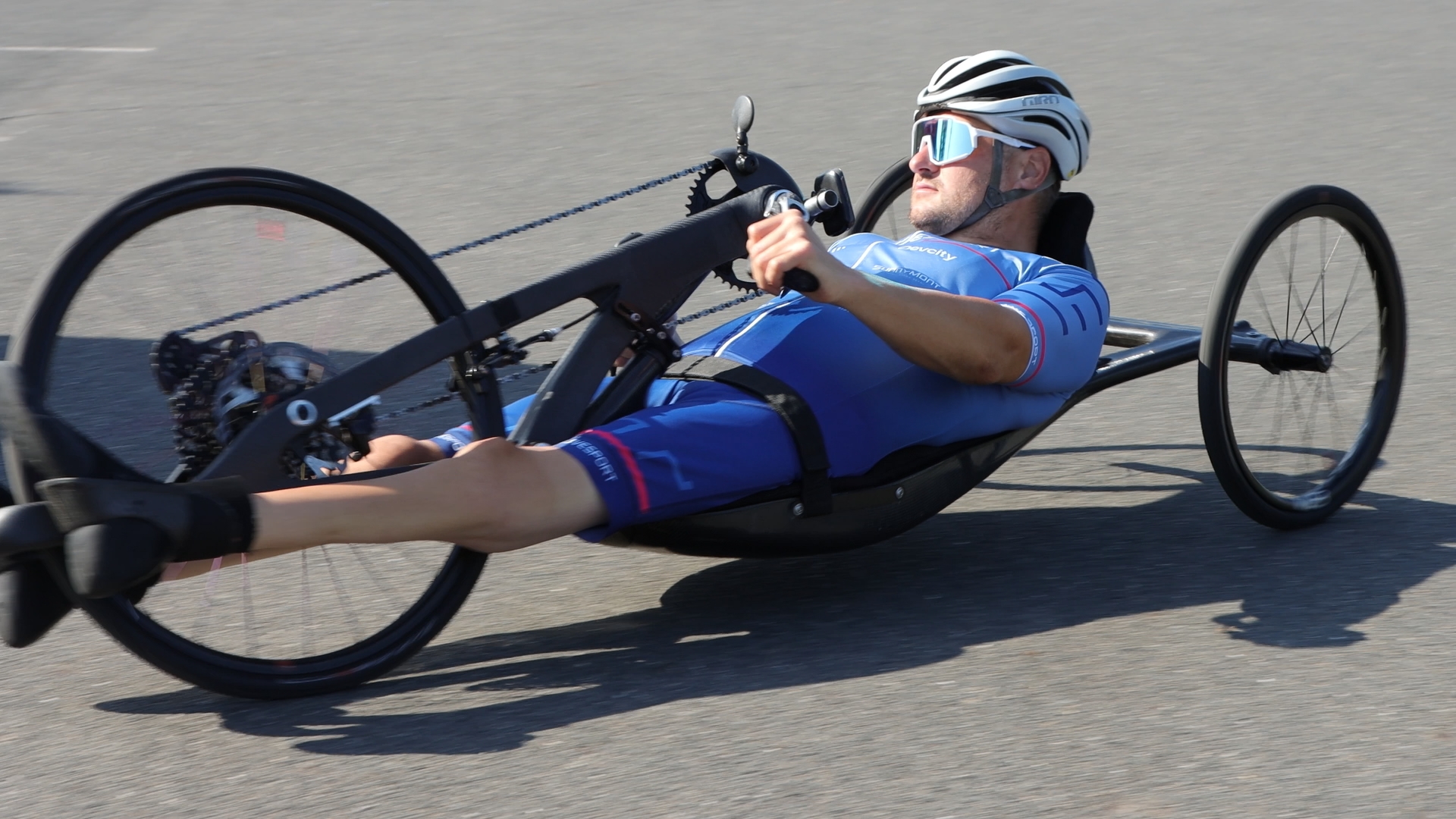
How do you design a custom component that has to withstand the extreme loads of elite sport? Together with paratriathlete Honza Tománek, we spent ten months developing and fine-tuning, with the help of 3D printing, a prototype carbon front fork for a racing handbike. The project shows how rapid prototyping can significantly speed up development, cut costs and help create a product tailored to the needs of a specific athlete.
Customer
Jan Tománek
Region
sport / sports equipment development
Year
2025–2026
Turnaround time
10 months
Development from scratch
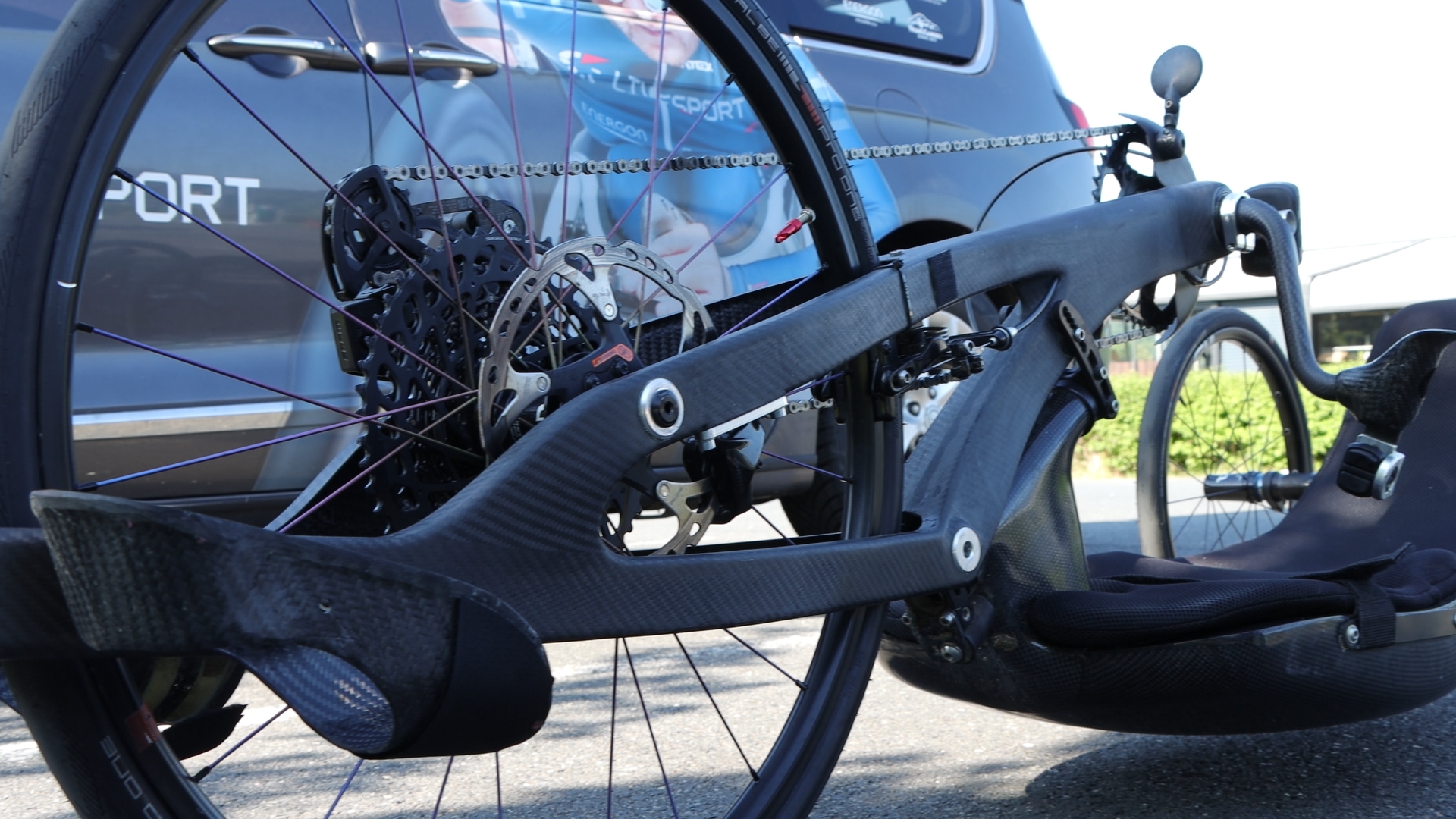
Modifying his old fork did not work out for Honza, so together we designed a completely new geometry for a carbon front fork for his racing handbike, tailored to his needs and riding style.

3D printing sped up development
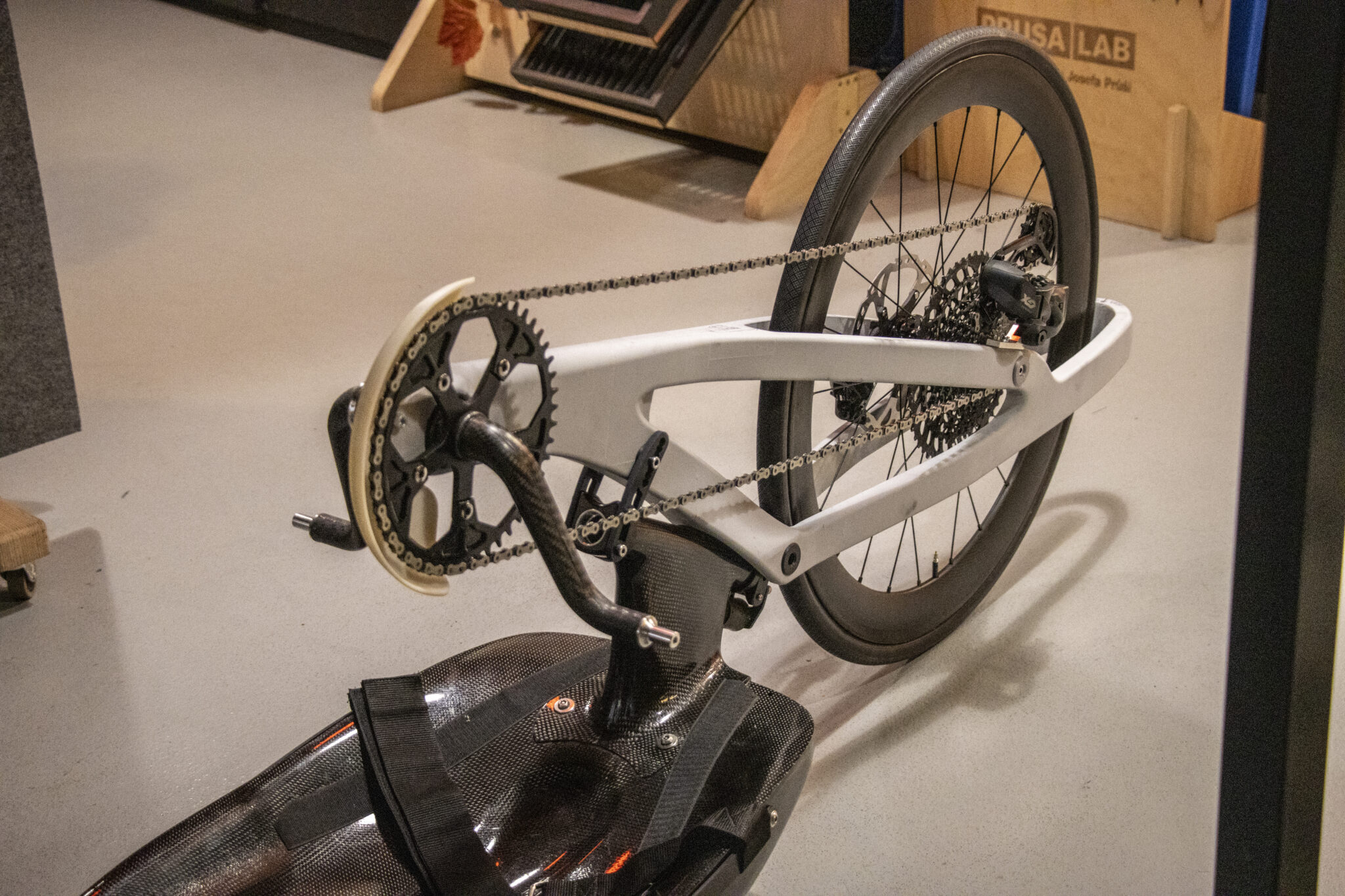
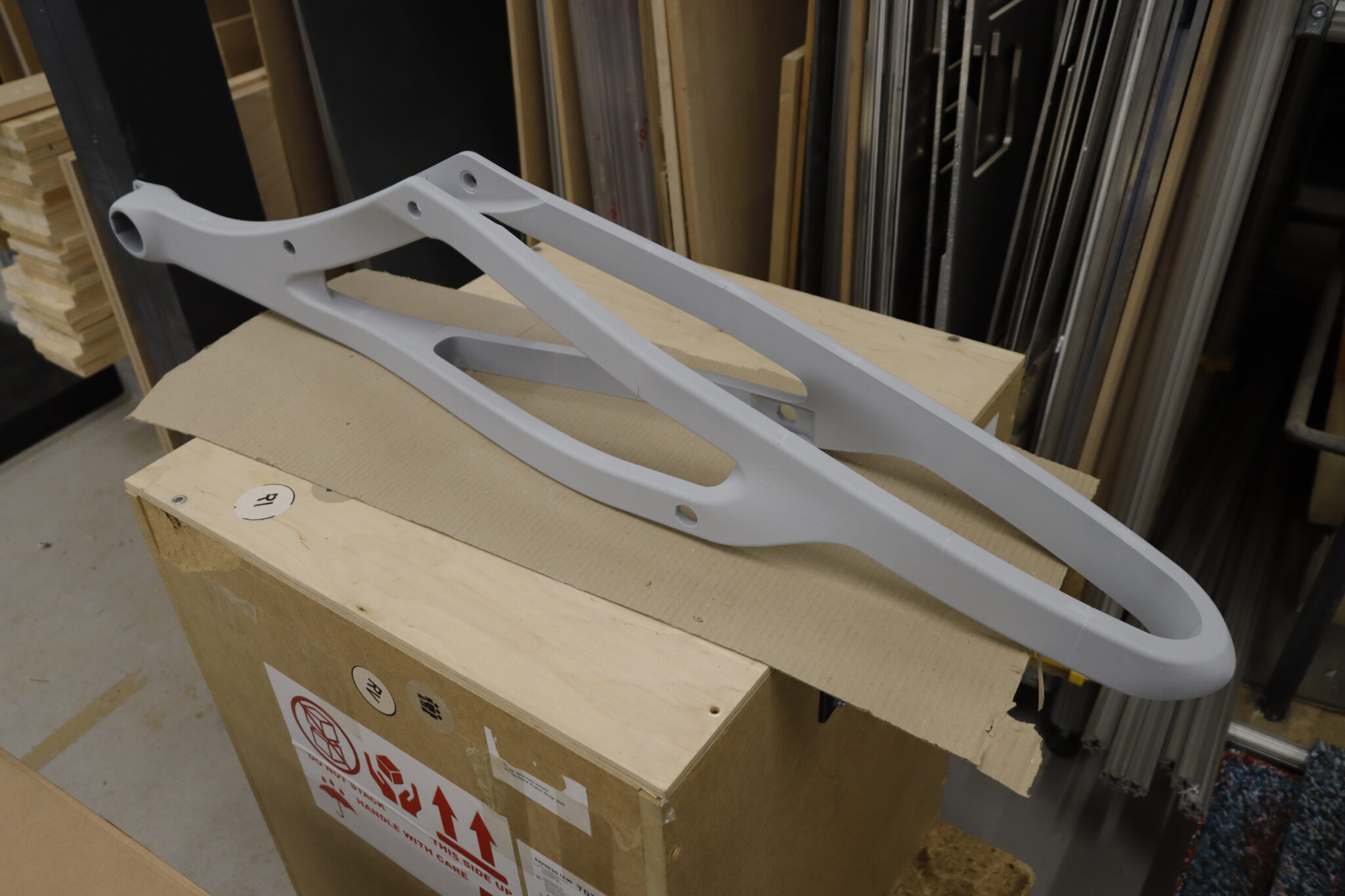
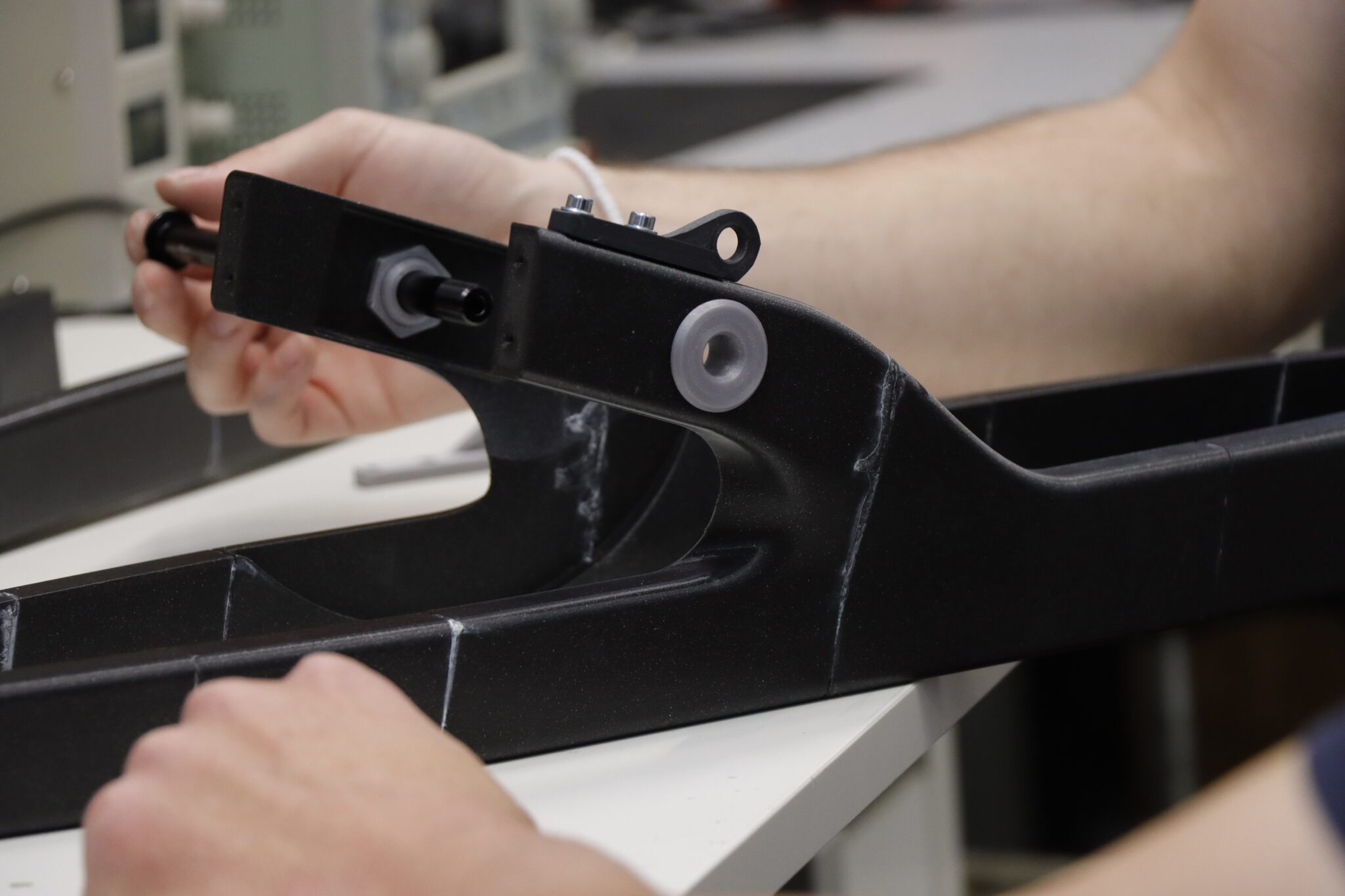
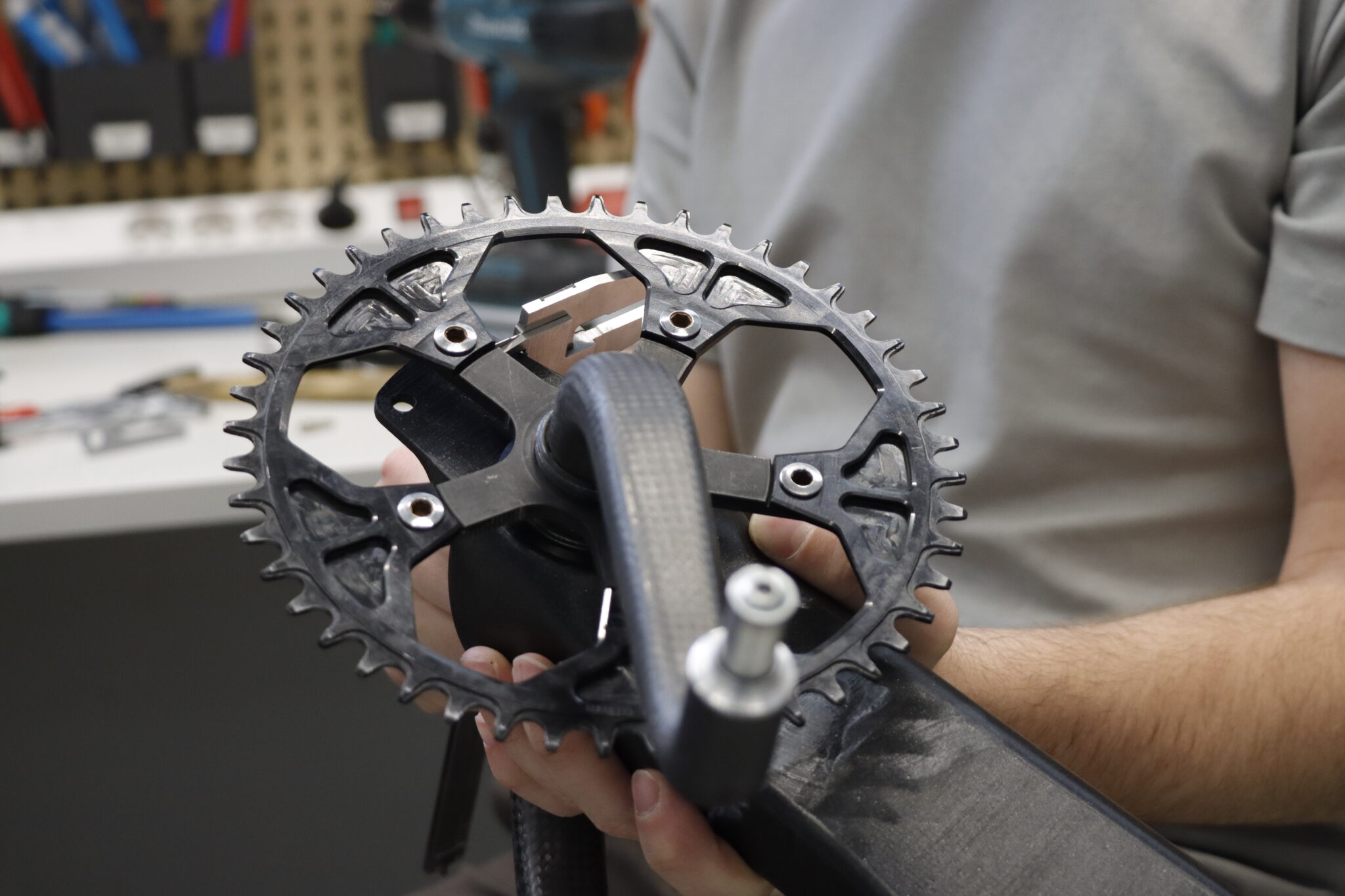
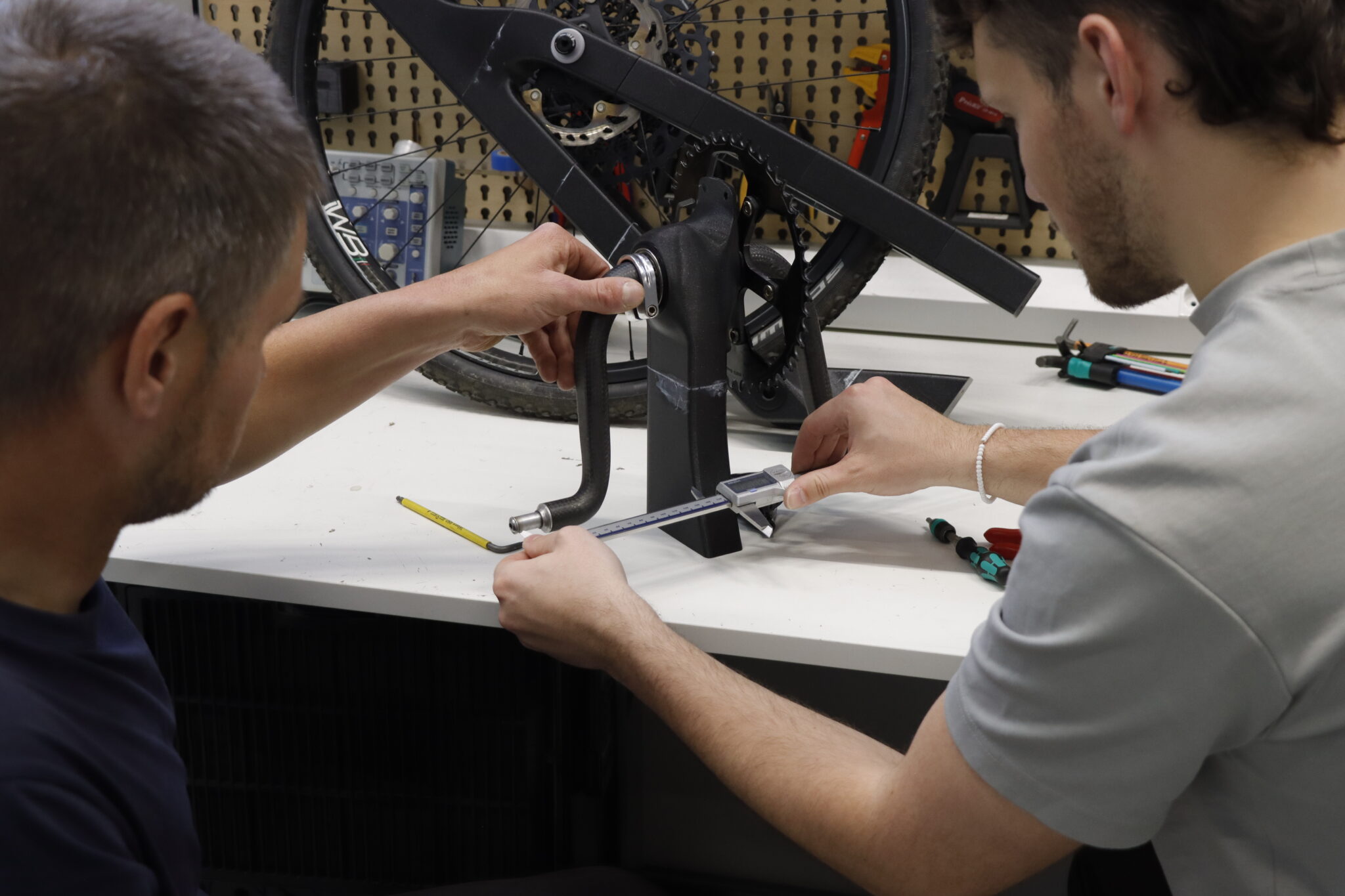
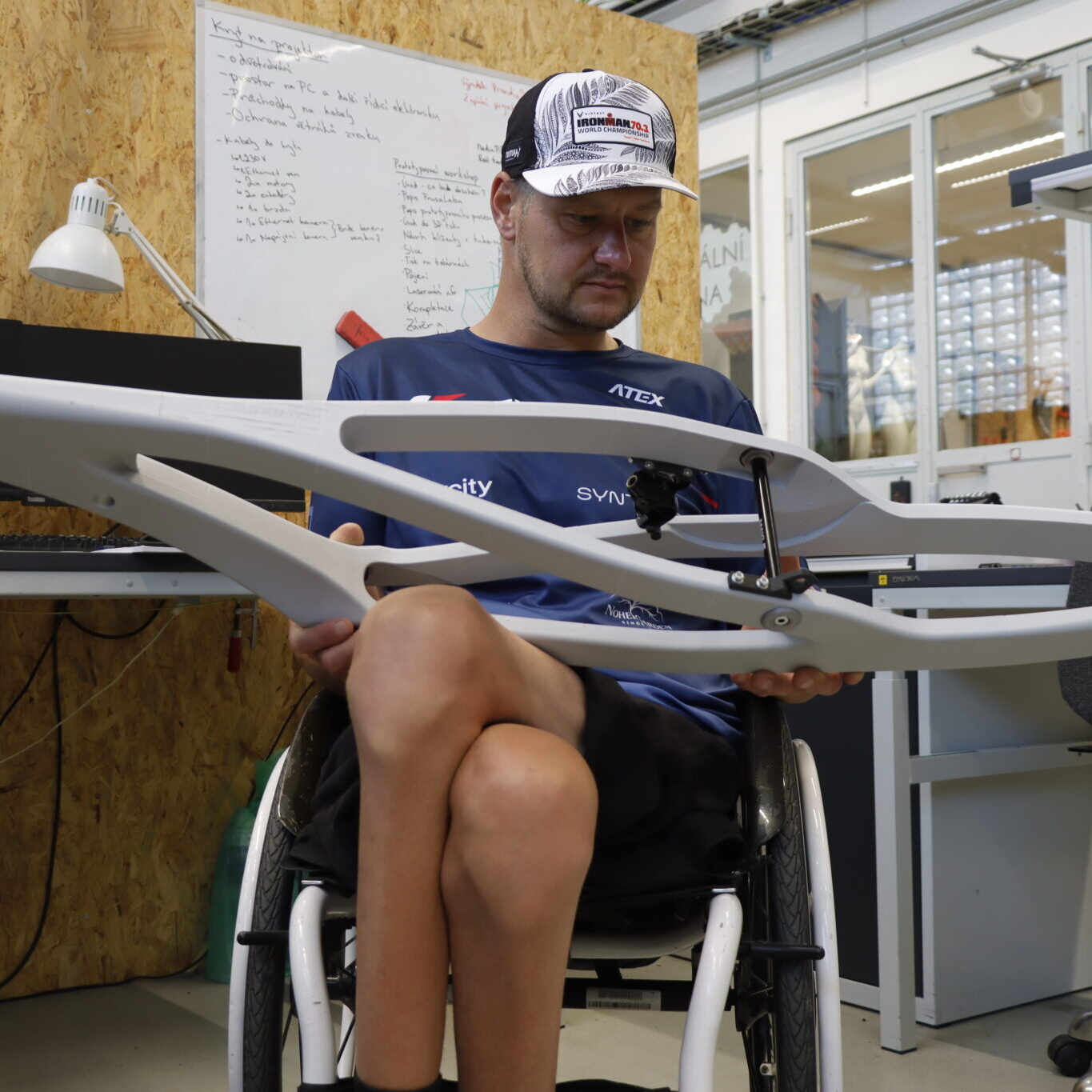
Instead of expensive mould making, we first produced a series of 3D printed prototypes. They made it possible to verify shapes, component fitting and ergonomics within a few days and keep improving the whole design.
A mould for composite production
The final 3D printed model served as the master for making the mould from which the carbon fork was then produced. Rapid prototyping thus significantly shortened the entire development process and minimised the risk of costly mistakes.
Proven over thousands of kilometres
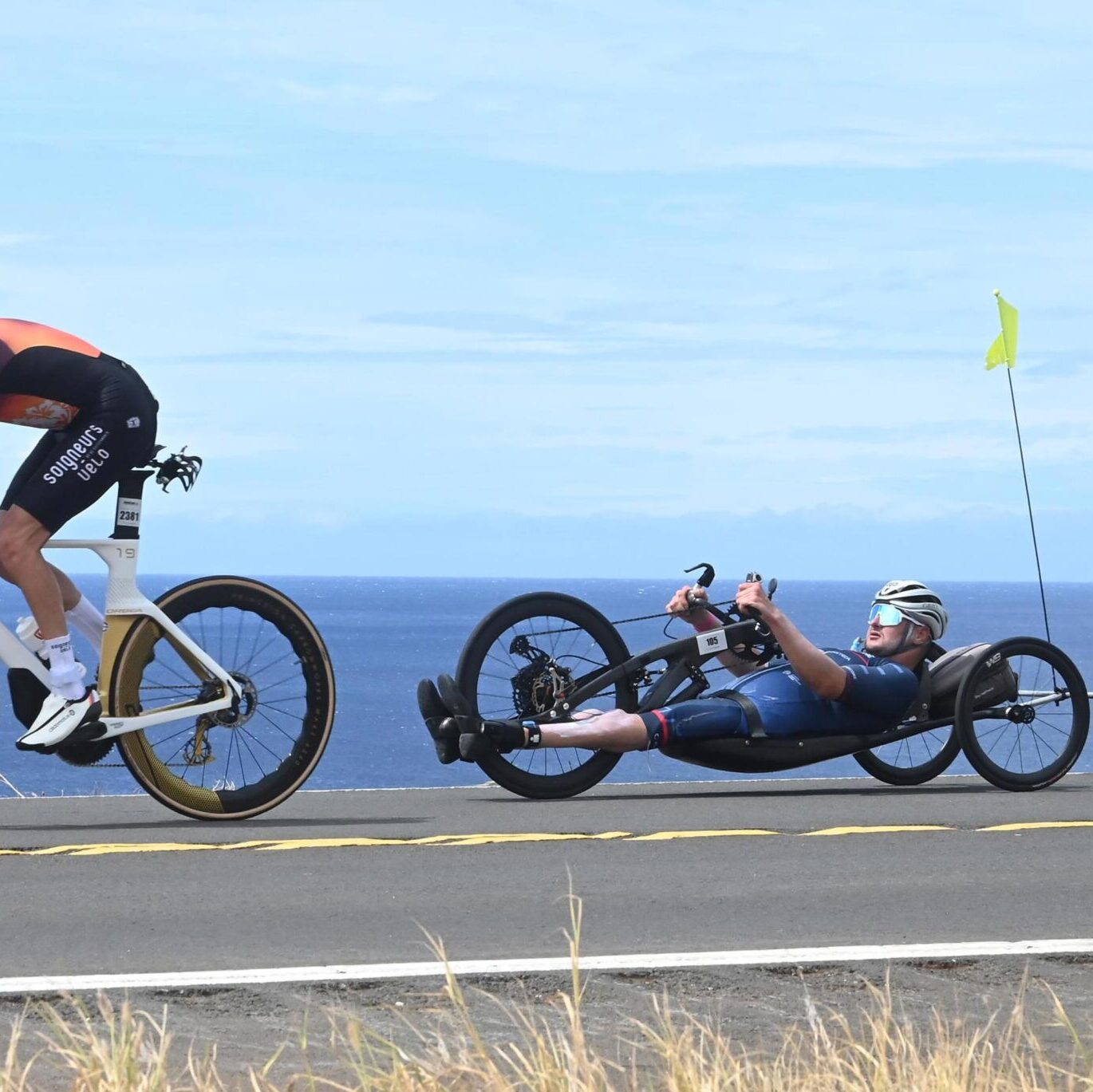
The finished prototype went through intensive testing, including a training camp of several weeks in Mallorca. During the first months, Honza rode more than 3,500 kilometres on it, confirming both the design and the manufacturing process.
A tailored solution instead of compromises
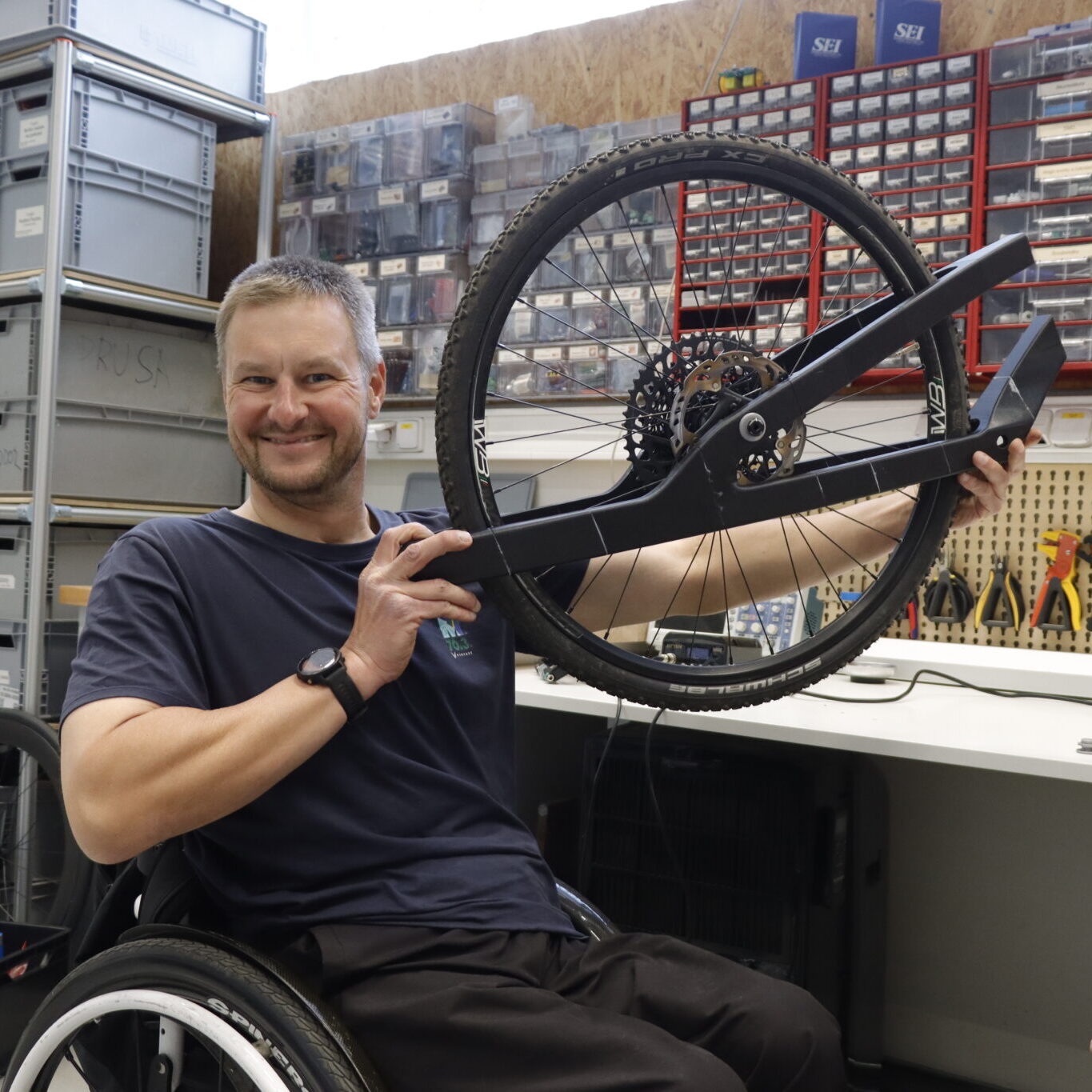
Jan Tománek is one of the most prominent figures in Czech para-sport. He is a multiple world champion in IRONMAN and IRONMAN 70.3 races and has long shown that even a severe disability need not stand in the way of top sporting performance. Besides racing, he develops sports equipment, speaks at motivational events and is behind the HandiVAN project, a camper van adapted to the needs of athletes with disabilities.
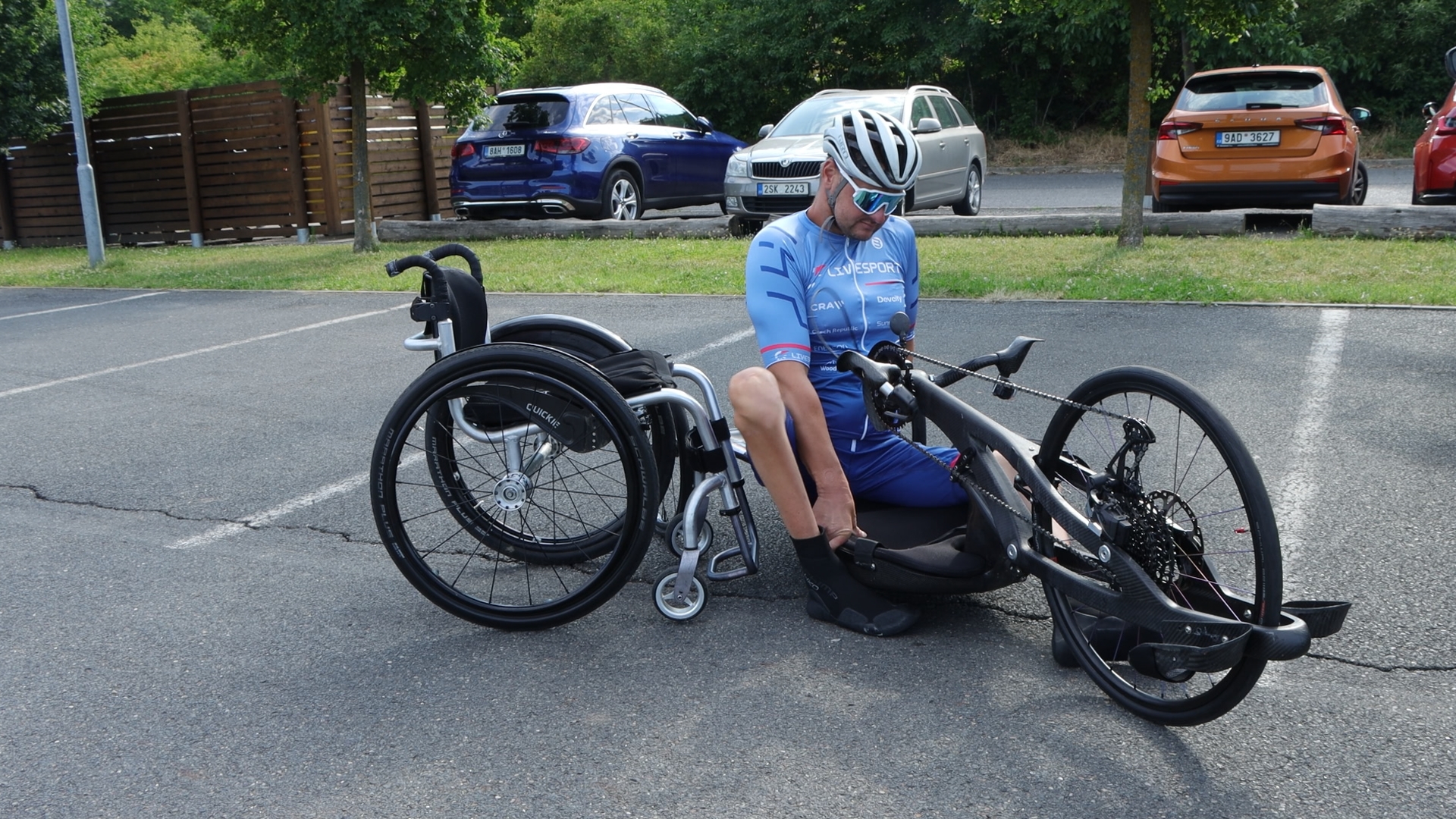
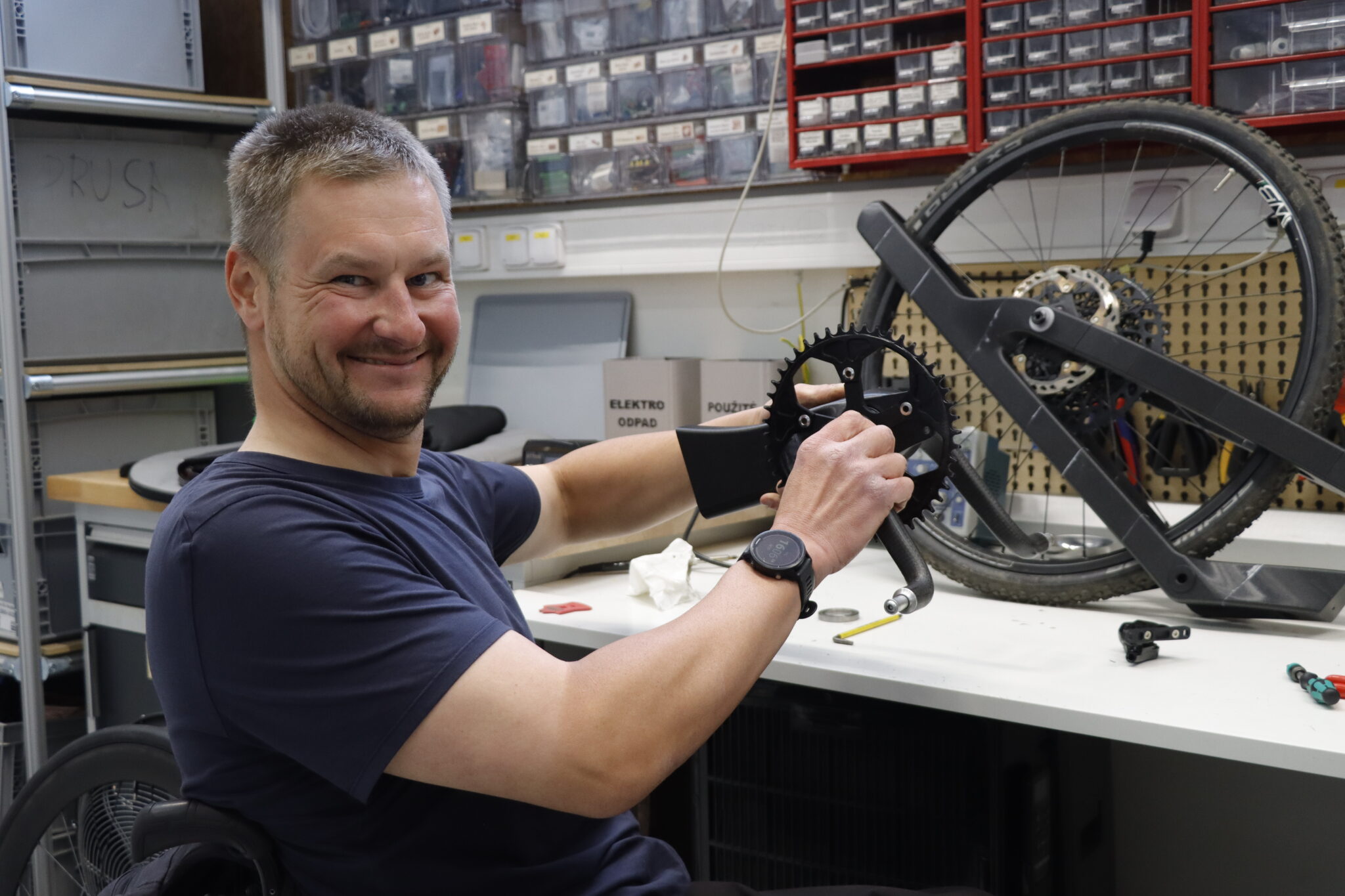
It was his years of experience from thousands of kilometres on a racing handbike that led him to the idea of developing his own front fork. Although mass-produced solutions exist, none of them fully met his needs in terms of geometry, stiffness or riding characteristics.
His first attempts were DIY, using hand lamination and modifications of existing parts. It soon became clear, however, that the only way to a truly functional solution was a completely new design. That is when the collaboration with PrusaLab began.
From a digital model to a finished fork
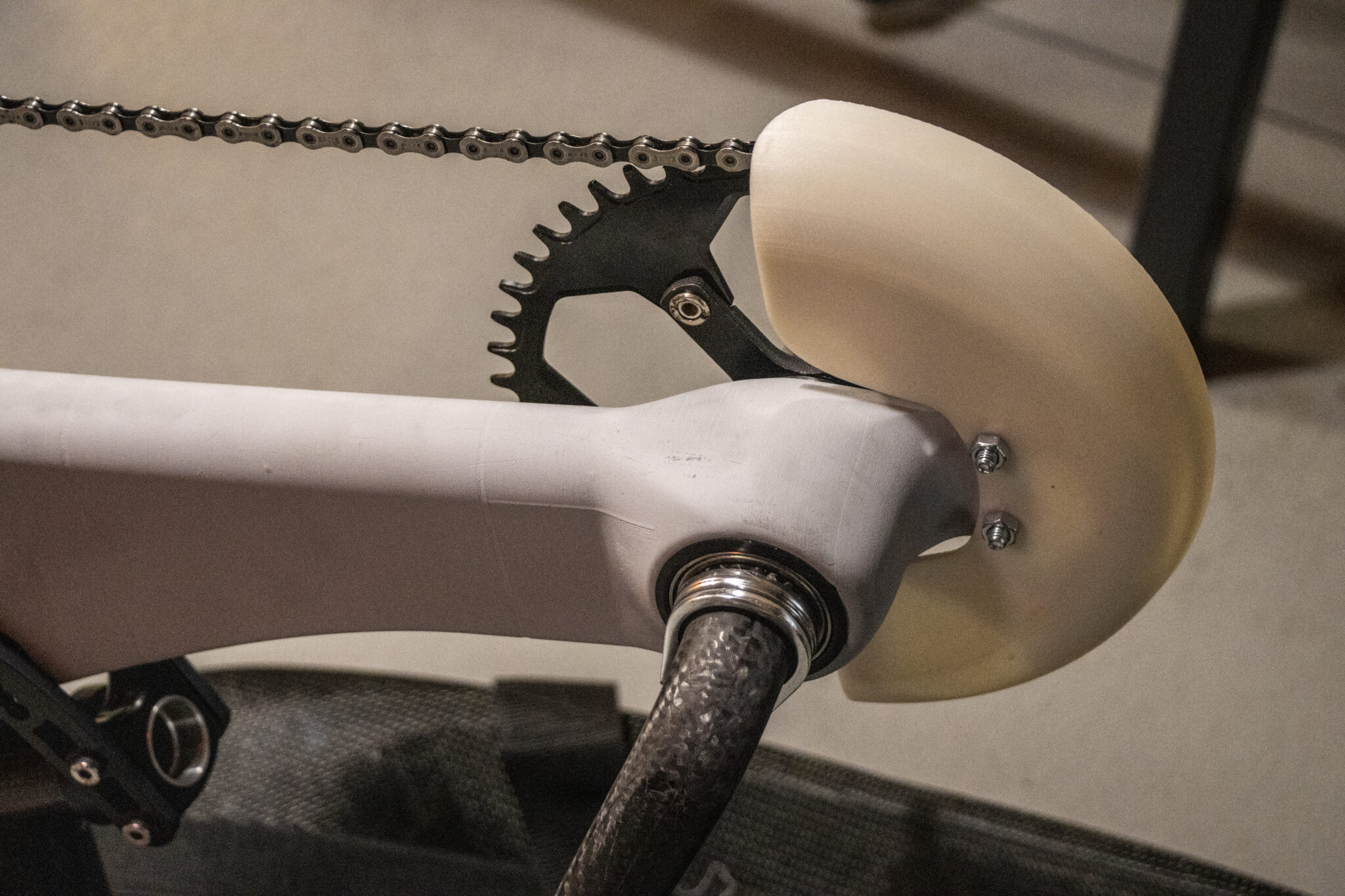
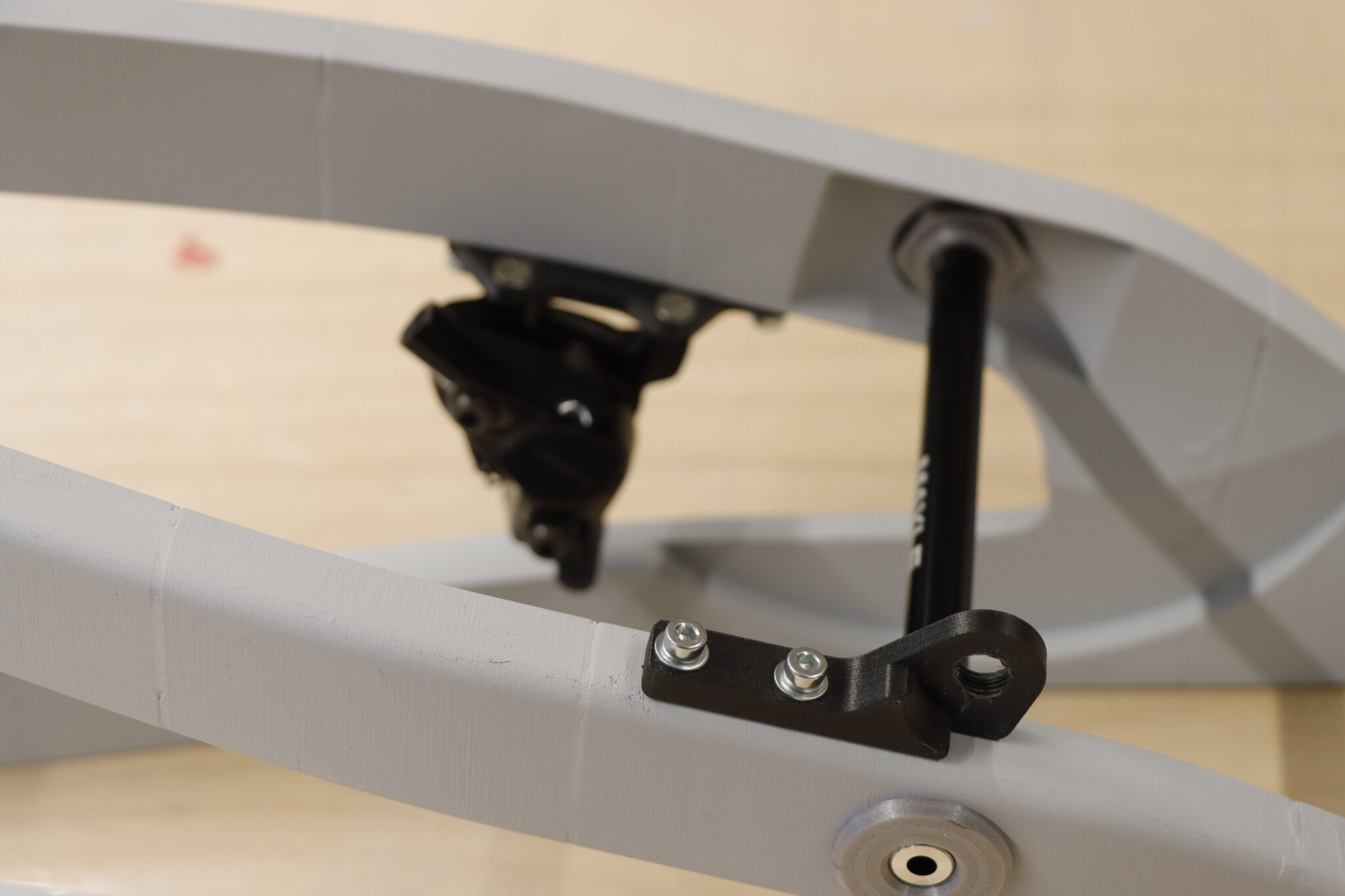
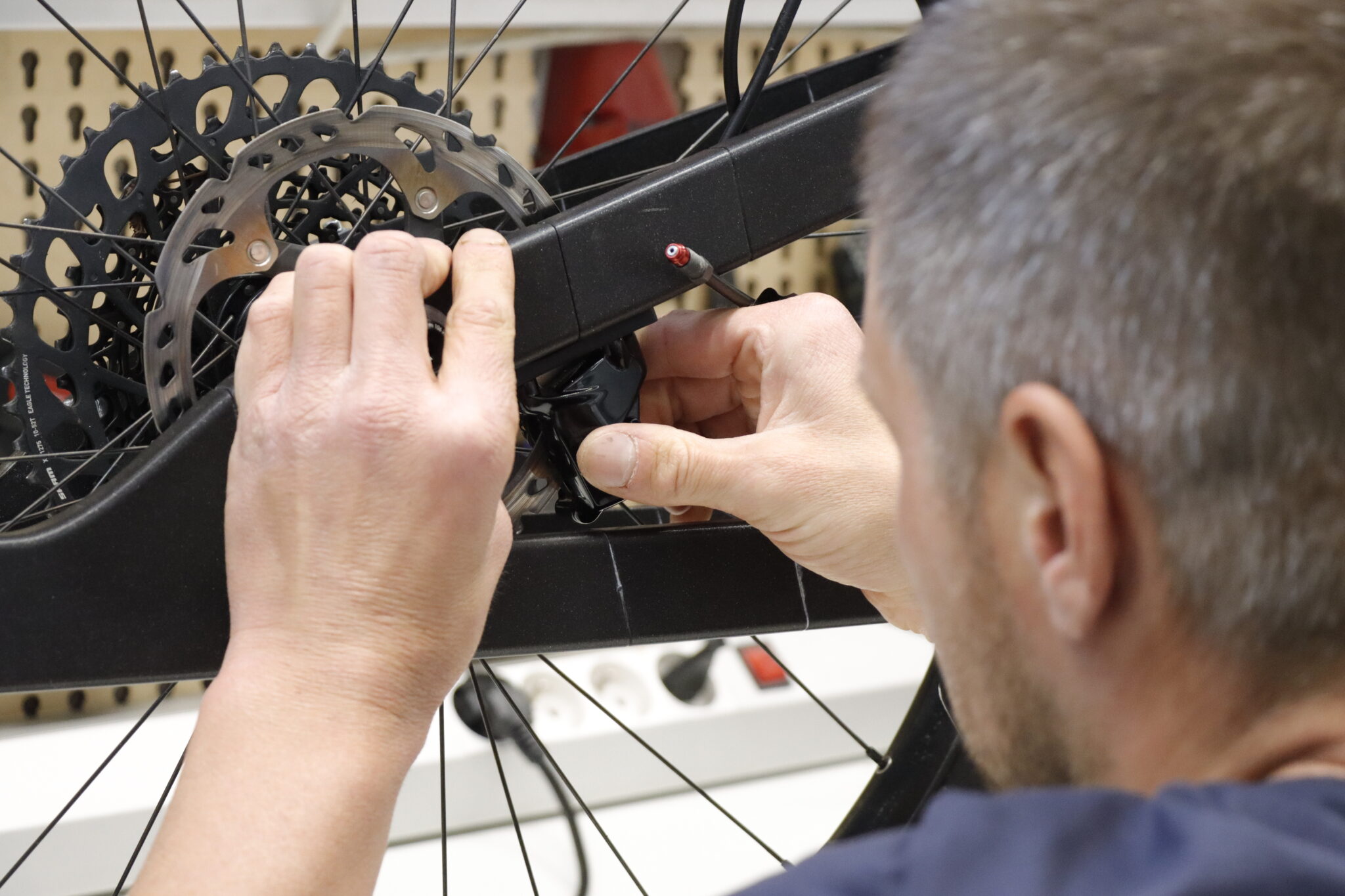
Development started practically from zero. Only the basic design points were kept, such as the position of the centre, the wheelbase and the wheel mounting. Everything else was redesigned with regard to ergonomics, chain routing, brake system placement, structural stiffness and future production.
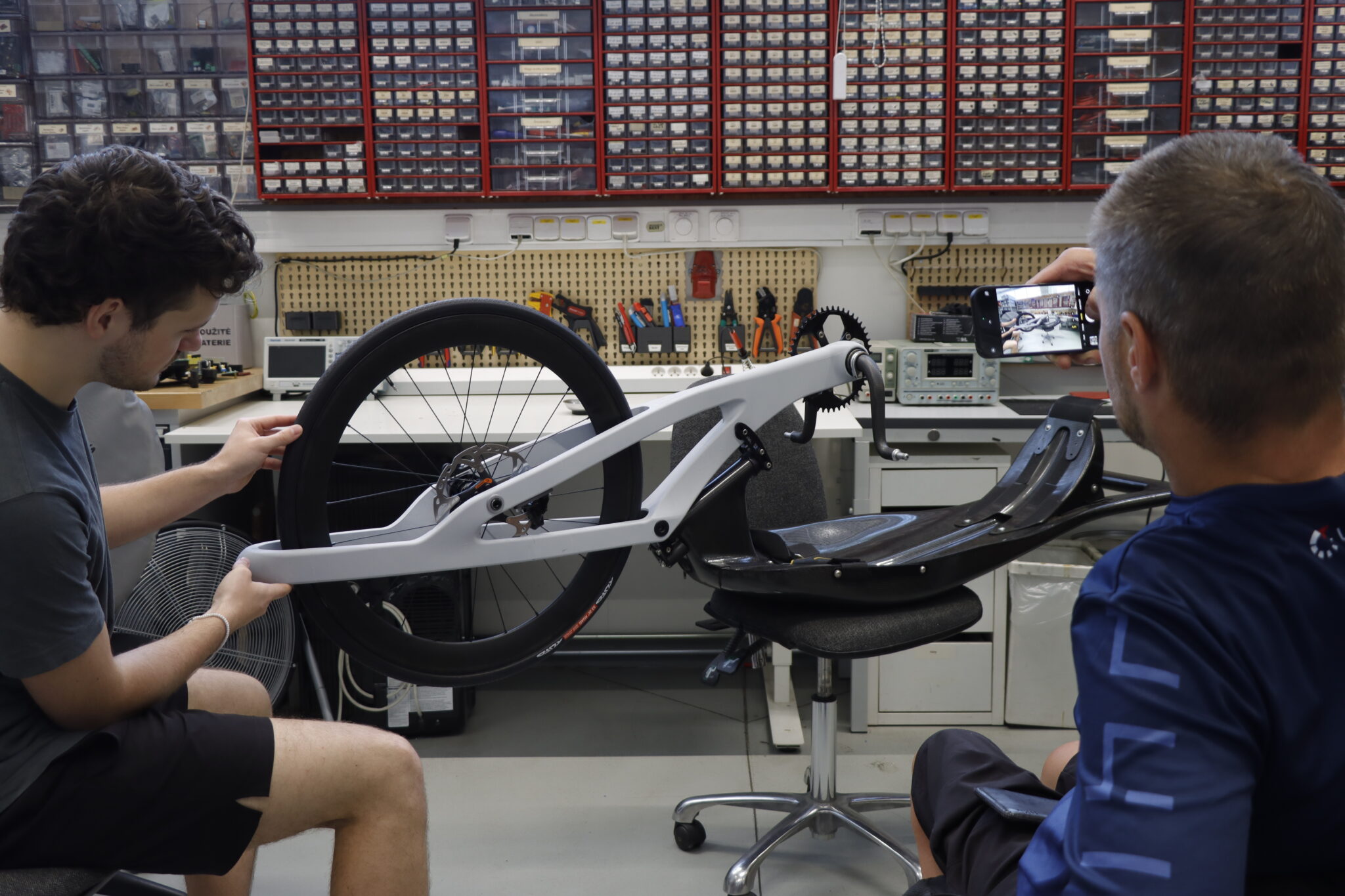
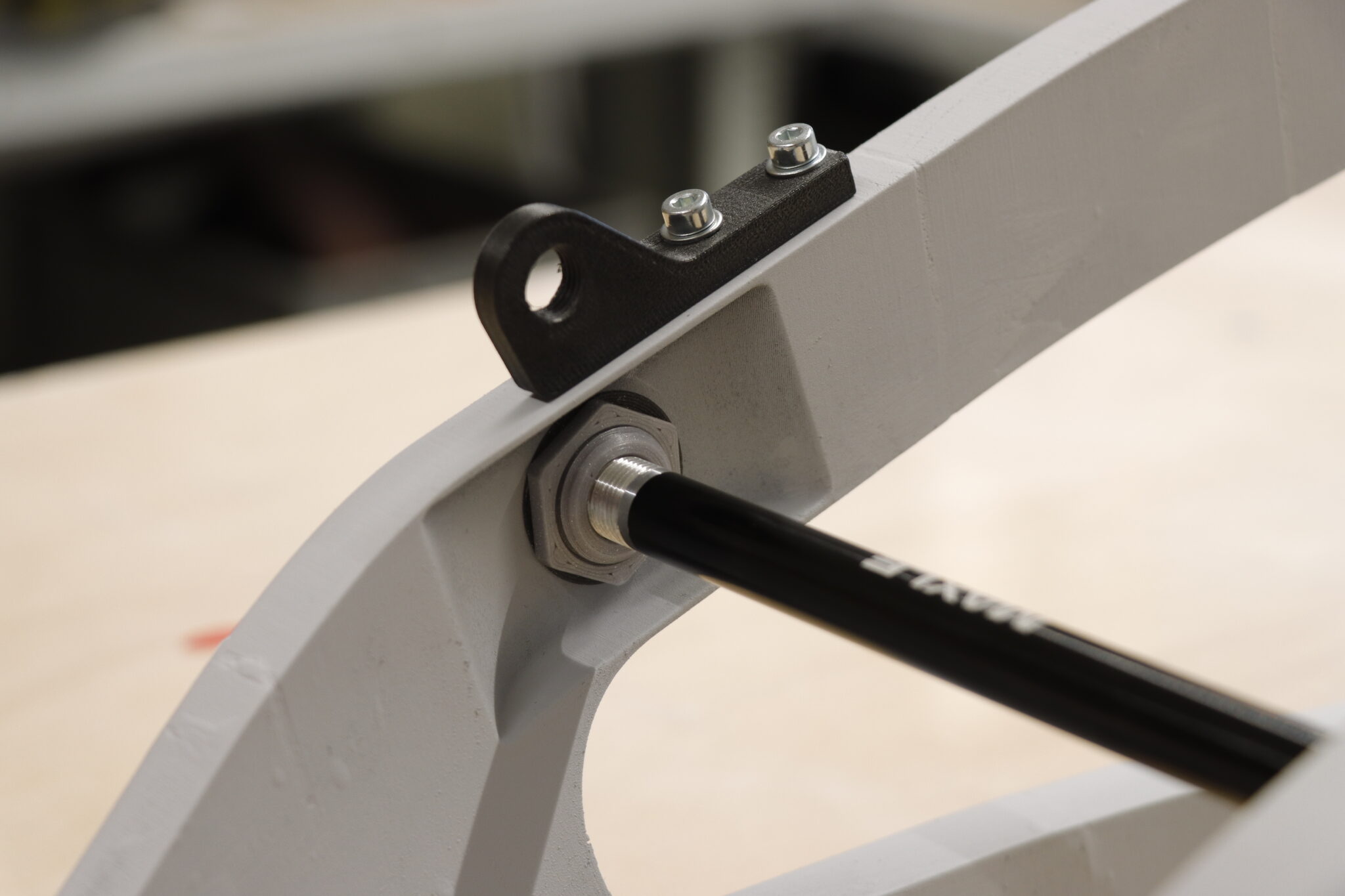
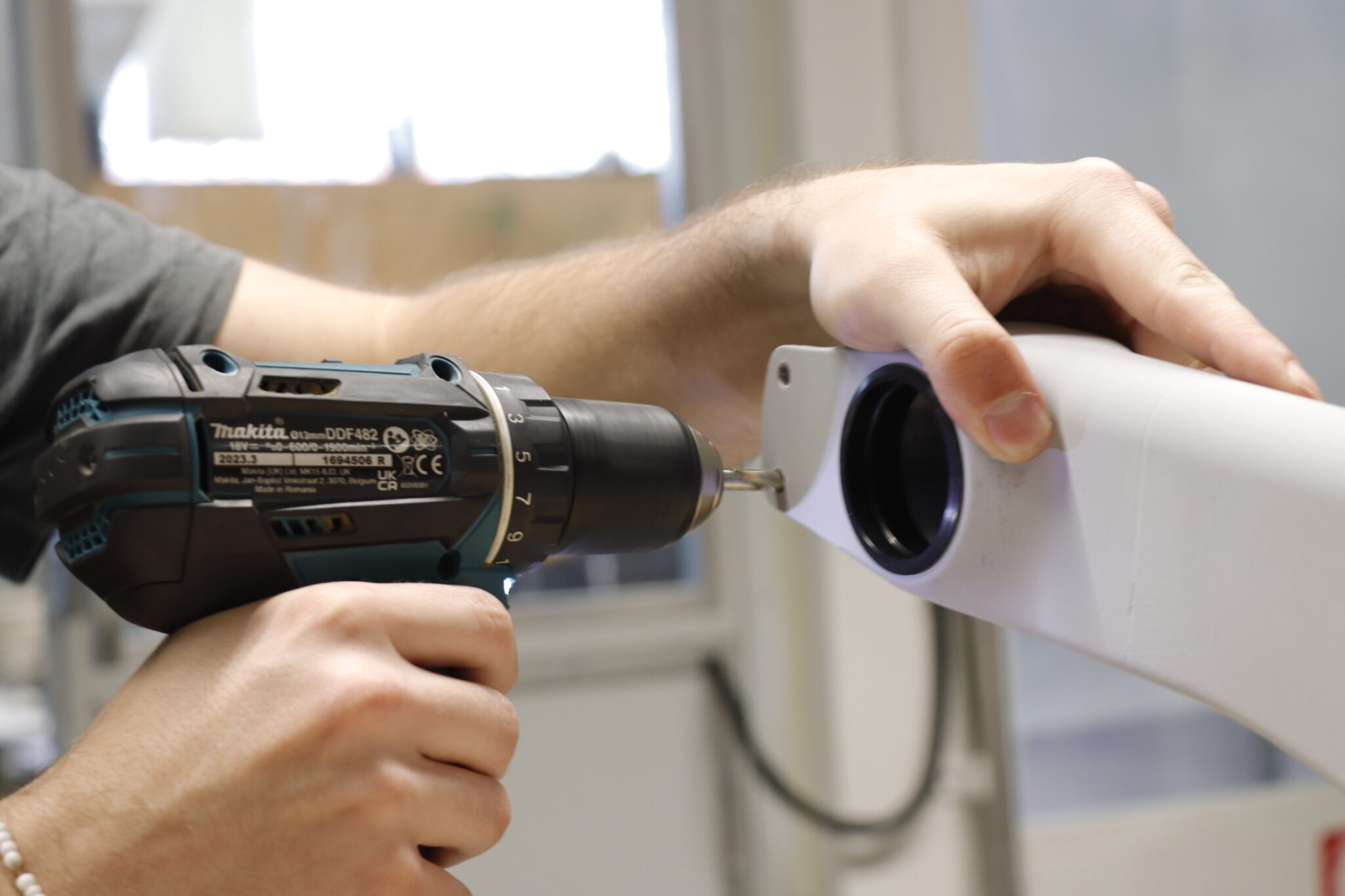
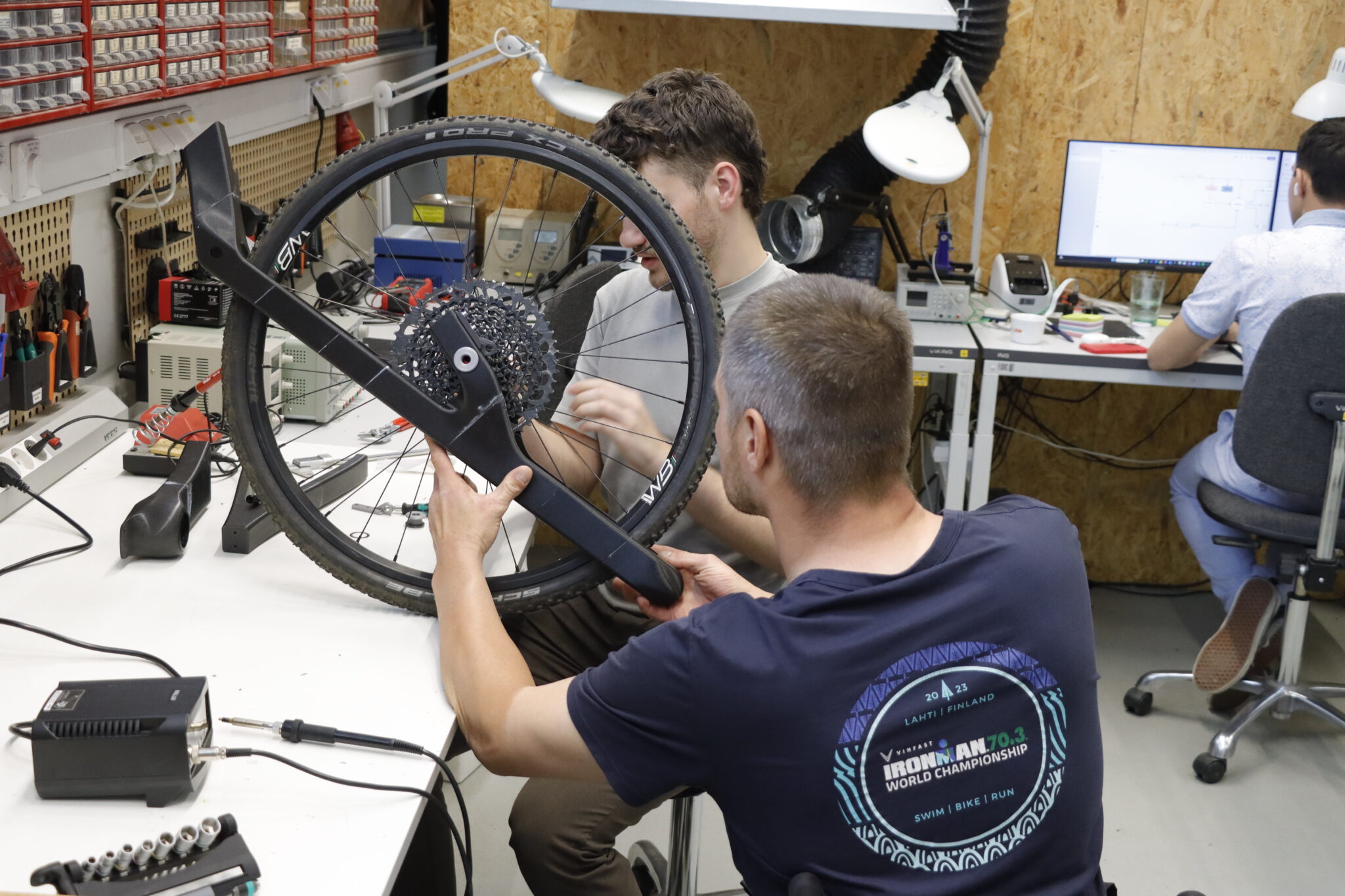
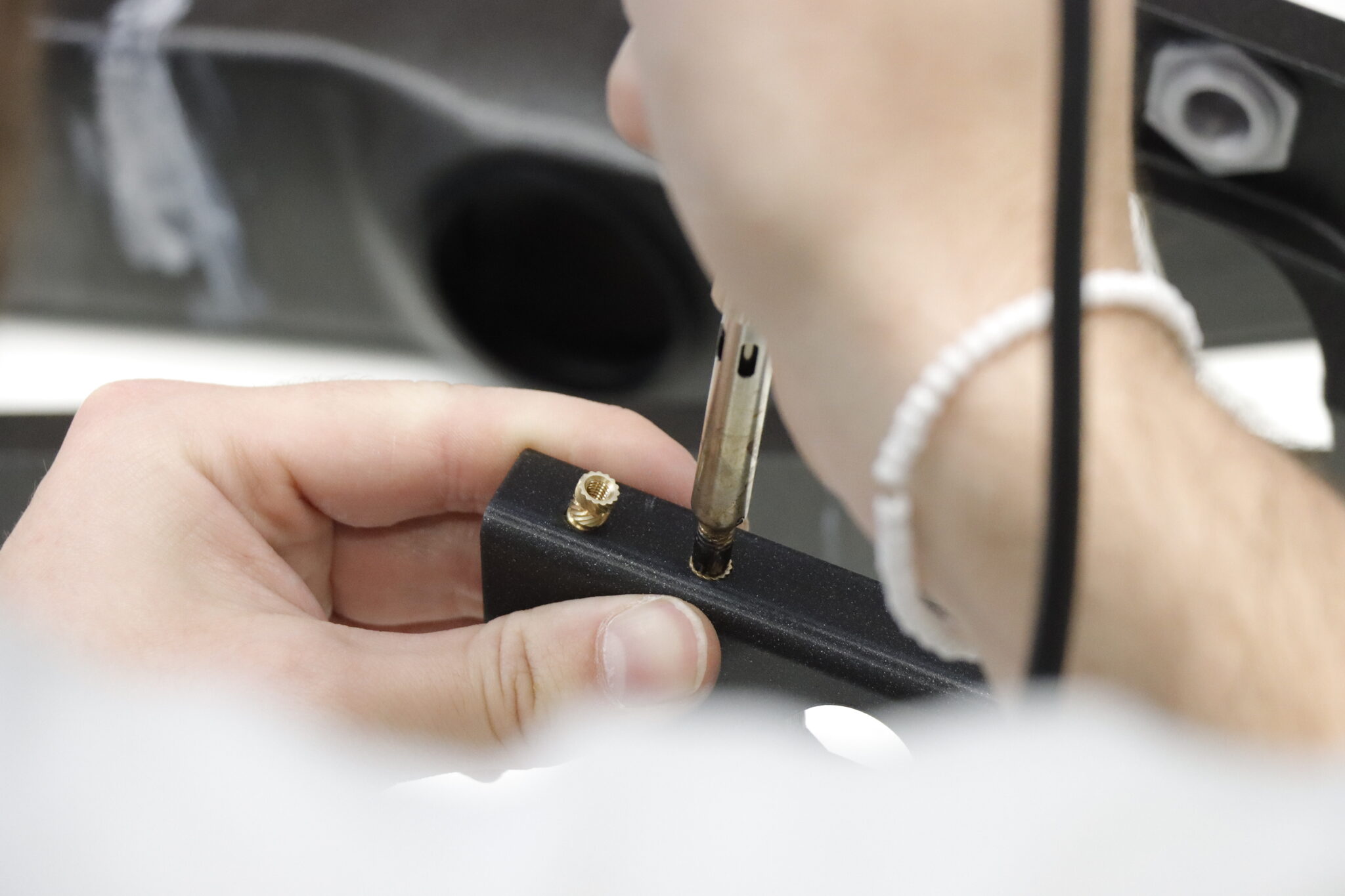
A whole series of digital models was created and had to be continuously verified at full scale. 3D printing therefore became the key tool. First we printed smaller parts to check individual details, later complete life-size prototypes of the fork. They made it possible to fit all the components, check their compatibility and quickly adjust the geometry without having to make expensive moulds.
Once the design was finally fine-tuned, the final print went through surface finishing, filling and painting. This model then served as the master for making the mould from which the final carbon fork was produced.
Testing in real-world use
After the carbon prototype was finished came the most important part of the whole project – practical testing.
The first test ride confirmed that development was heading in the right direction. The very next day, Honza left for a three-week training camp in Mallorca, where he put the new component under real racing loads.
During the first months of use, he rode approximately 3,500 kilometres on the new fork. Testing confirmed the designed geometry and the manufacturing process and provided valuable experience for the further development of the project.
When an athlete's experience meets digital fabrication
The project combined the long experience of an elite athlete with the possibilities of modern prototyping. Honza brought detailed knowledge of handbikes and how they behave in racing, while PrusaLab provided the digital design, rapid prototyping using 3D printing and the preparation of production data for the final composite manufacturing.
The result is not just a new component for one athlete but also a proven process showing how 3D printing can significantly speed up the development of custom-designed sports products. Instead of costly iterations of composite moulds, the design could be repeatedly verified, the geometry adjusted and the optimal solution found within a few months, before the final part was made.
About Jan Tománek
Jan Tománek is a Czech paratriathlete and multiple world champion in IRONMAN and IRONMAN 70.3 races. After a traffic accident at the age of fifteen, he became one of the most prominent figures in Czech disability sport. Besides elite racing, he develops sports equipment, speaks at motivational events and supports projects promoting an active life for people with disabilities. He is also the author of the HandiVAN project, a specially adapted camper van for athletes with disabilities.