- Case study
Archaeology through play with 3D printing
How can children get closer to rare archaeological finds they can only see behind glass in an exhibition? For the Institute of Archaeological Heritage of Central Bohemia and the National Museum, we created puzzle-like replicas of vessels that children can touch and use to try out the work of archaeologists. The idea came from the client of the first commission. At PrusaLab, we handled its technical realisation: from processing the supplied 3D scans to producing a kit held together by magnets.
Clients
Institute of Archaeological Heritage of Central Bohemia and the National Museum
Region
museums / interactive education
Technology
3D modelling, 3D printing and magnetic joints
Output
puzzle-like replicas of archaeological finds for museum exhibitions
How to engage children in a museum
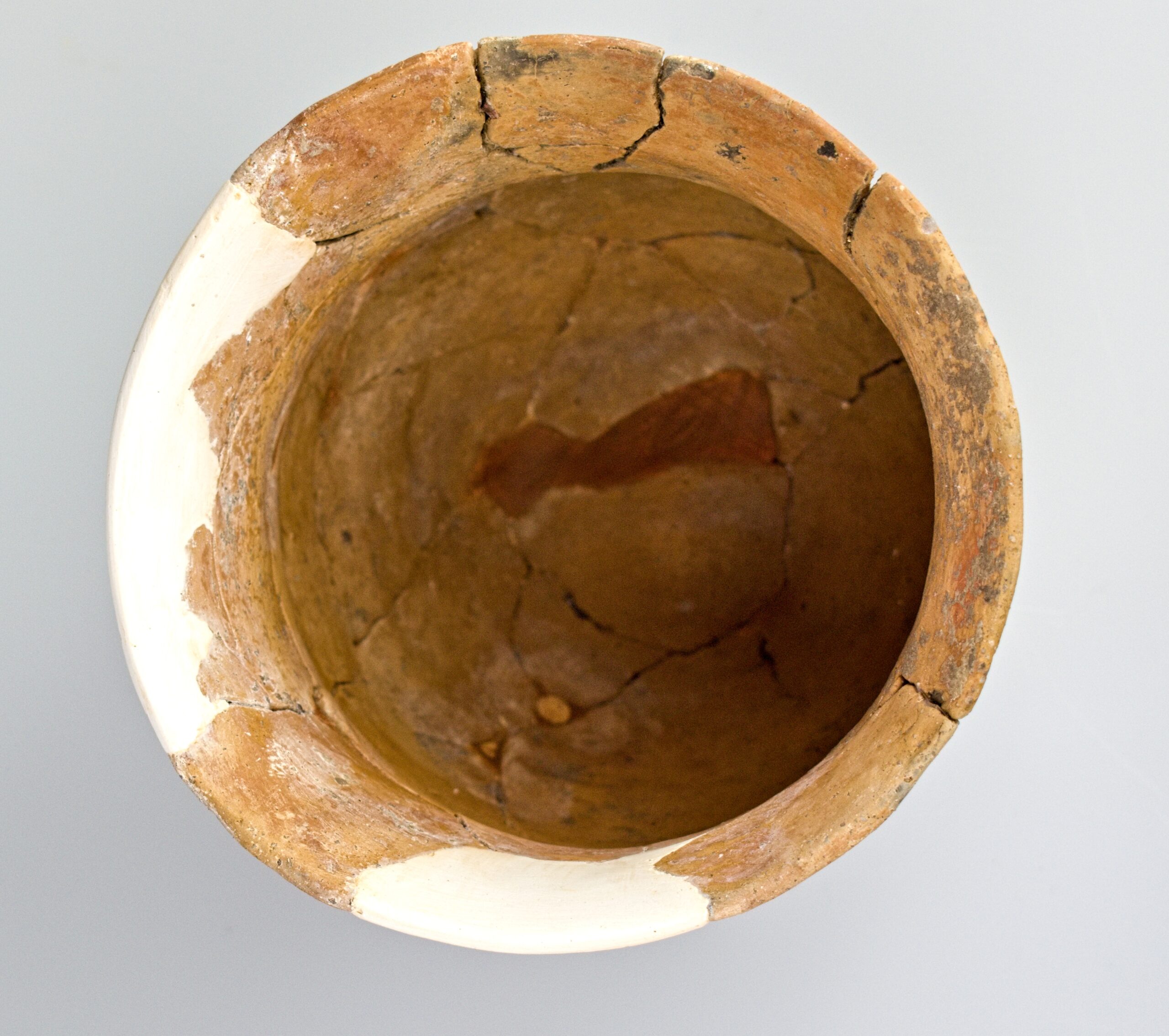
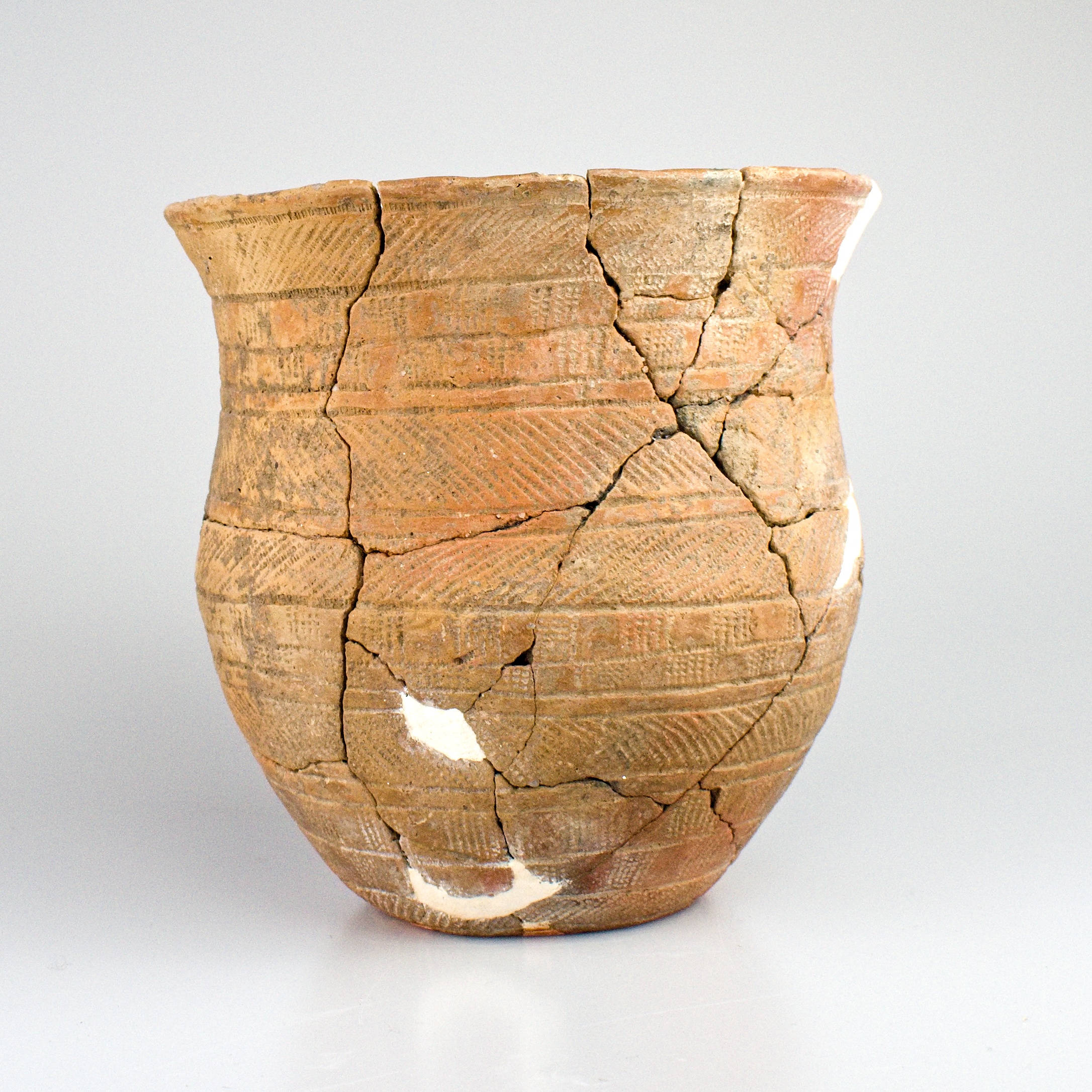
Rare archaeological finds are protected behind glass. Children cannot touch them and often miss both the story of the object and the work that preceded its display. The brief was to bring this context closer to them through play and let them take part in the discovery.
Archaeology with your own hands
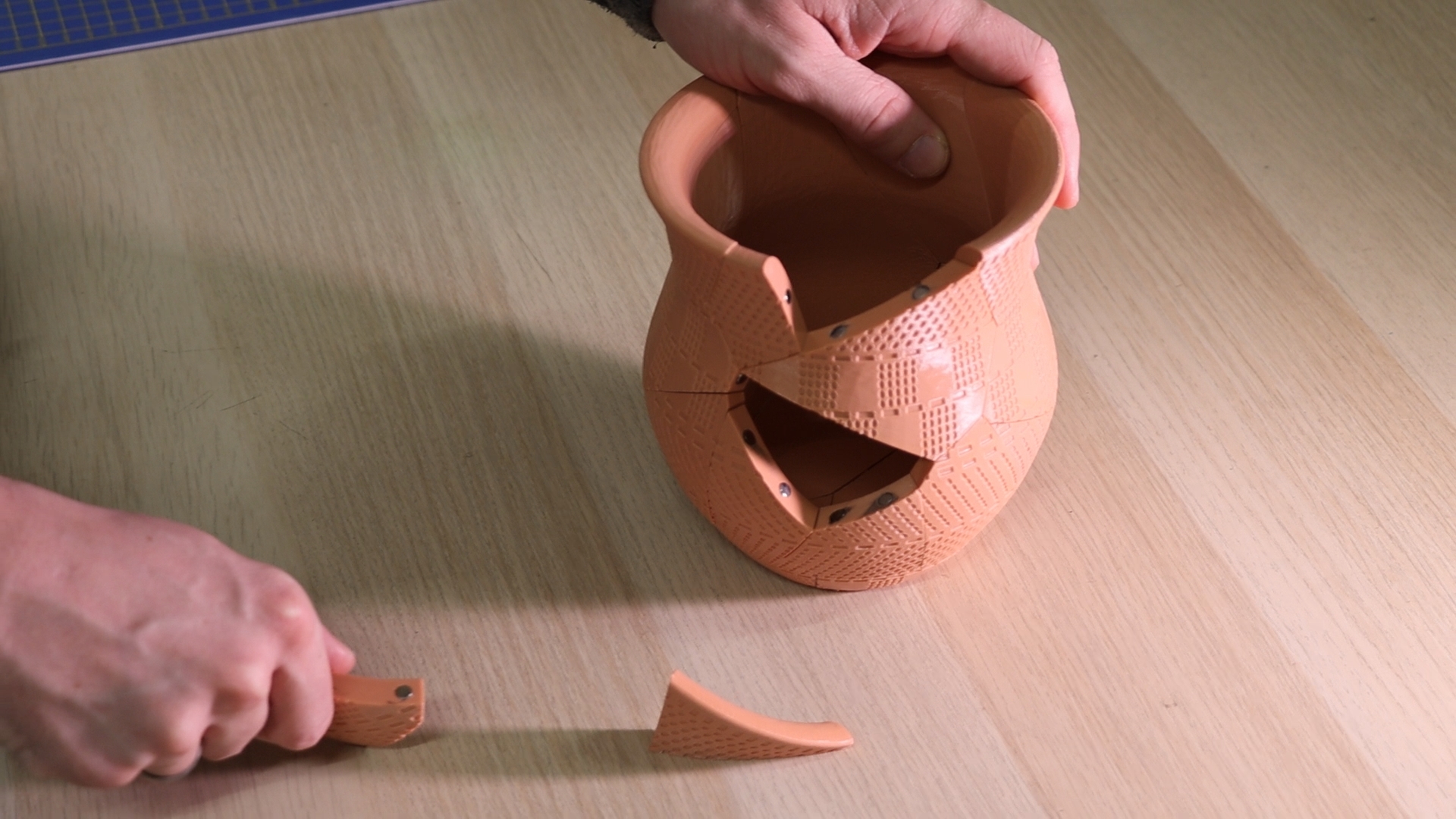
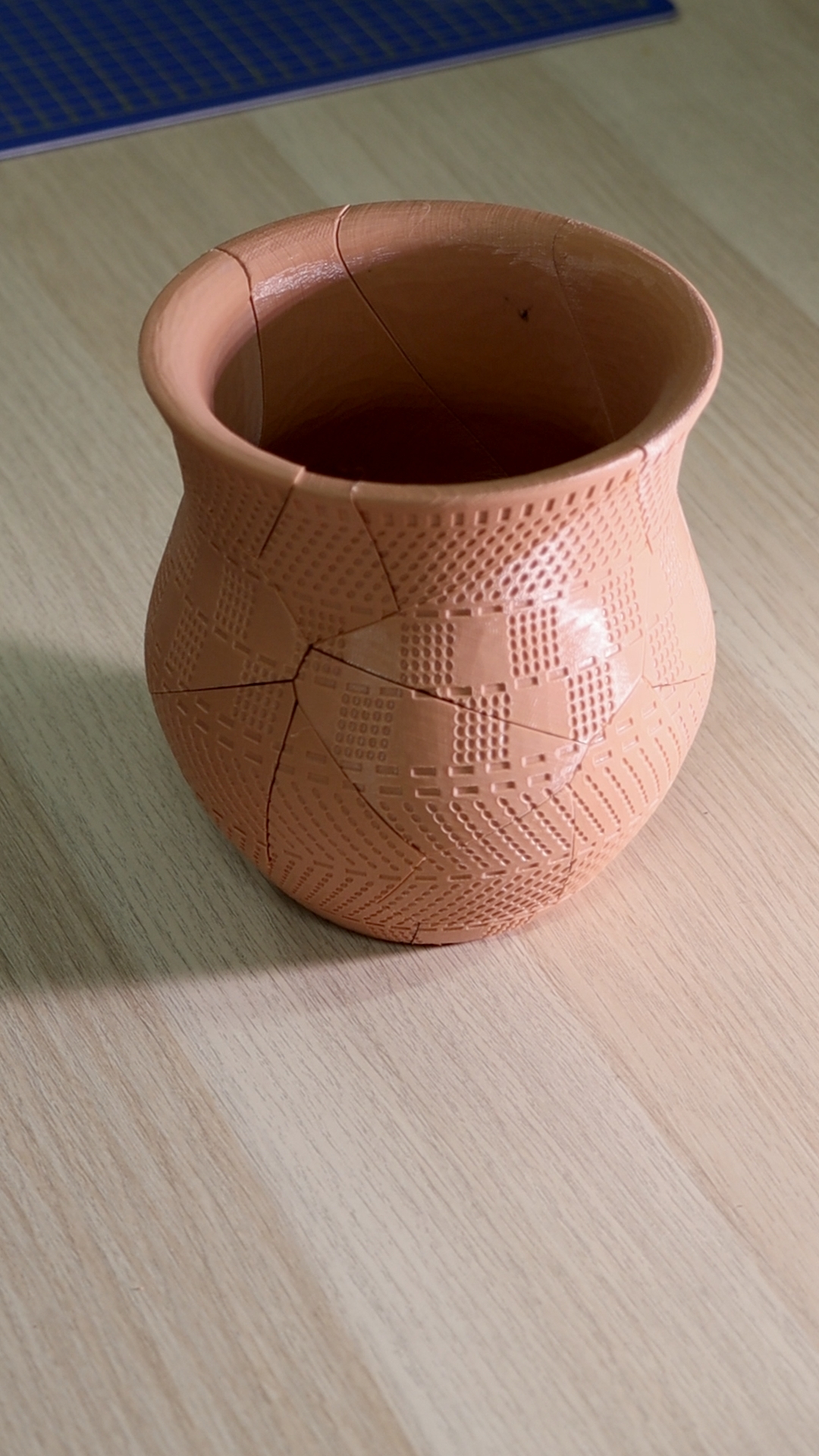
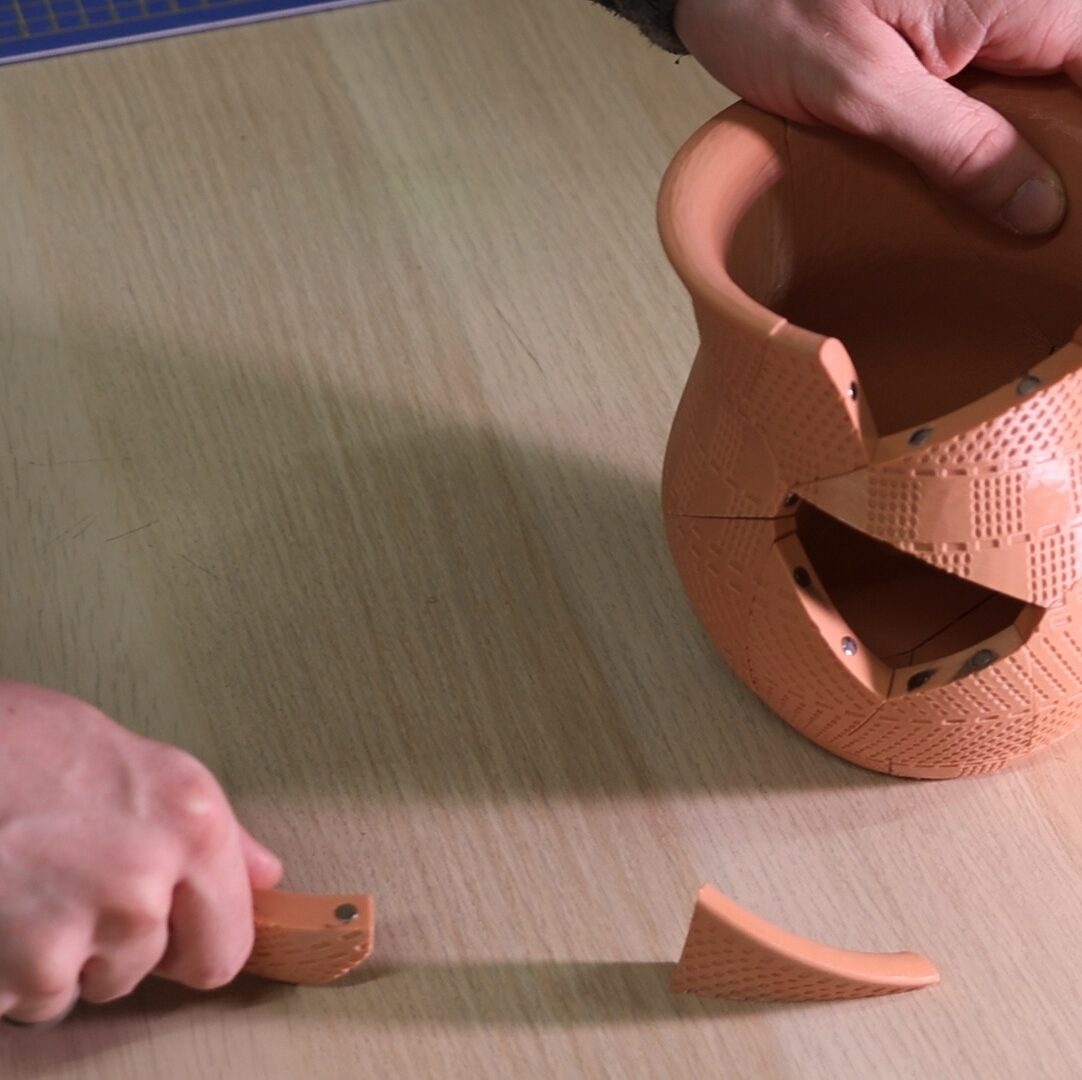
The idea for a puzzle replica came from an employee of the Institute of Archaeological Heritage of Central Bohemia. For an exhibition at Nižbor Castle, we created a vase made of fragments joined by magnets. Visitors first dig up and clean the shards, then patiently put them together. This way they try out part of an archaeologist's work themselves.
From a 3D scan to a puzzle kit
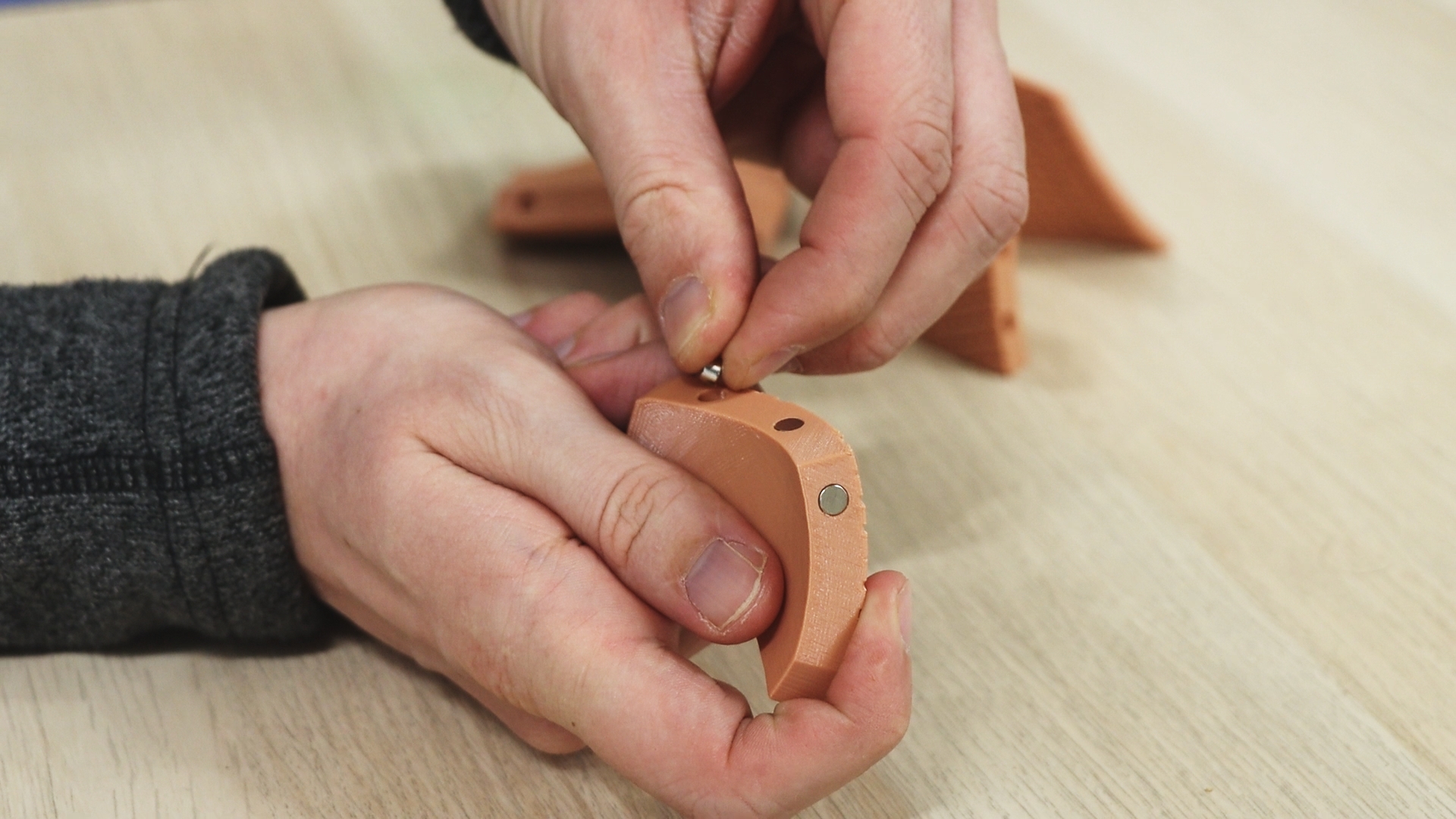
The supplied scans were not suitable for direct printing. Based on them, our modeller created printable models, which our 3D printing specialist divided into fragments and fitted with holes for magnets. After printing, we fixed the magnets in the correct orientation. The digital data thus gained a new use as a functional educational aid.
The same principle for another exhibition
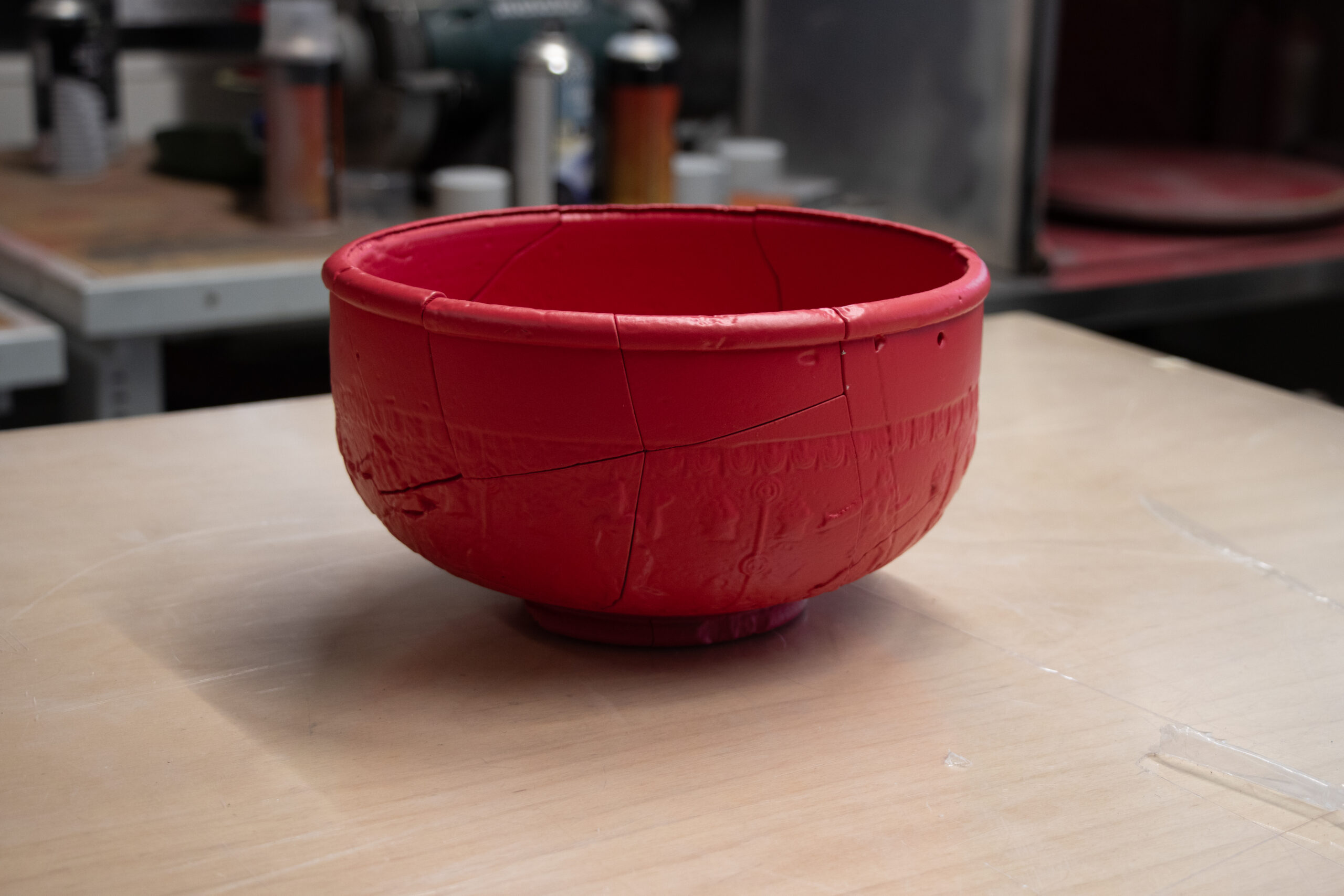
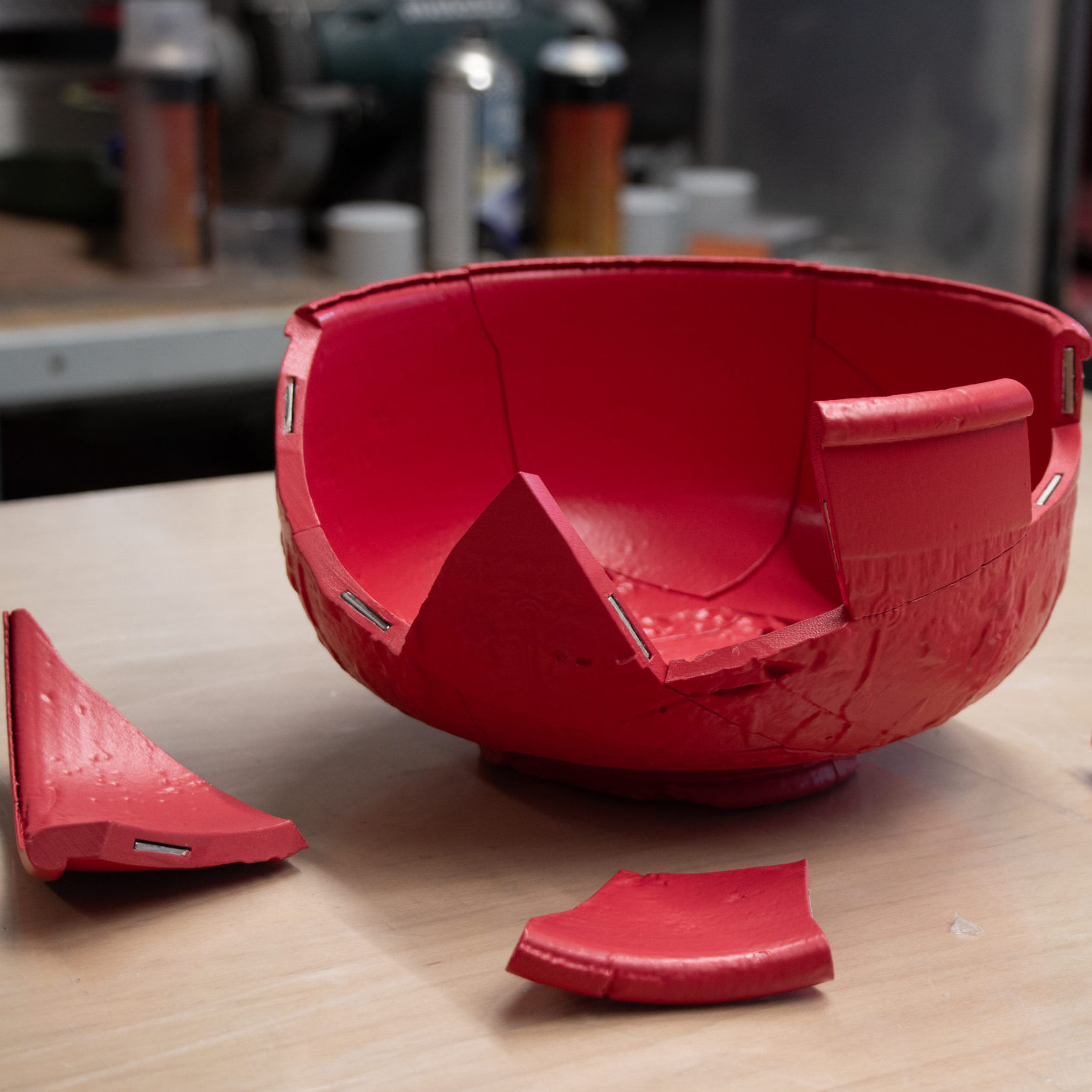
Years later, a video of the first project also inspired the National Museum. For its Historical Building, we created a puzzle replica of a terra sigillata bowl from Neratovice. Both commissions show how 3D scanning and printing can make historical objects accessible through touch and play while the rare originals remain protected.
How to bring children closer to the exhibits
Rare objects in display cases need protection. For children, however, it is often hard to understand their story just by looking through the glass and reading the labels. They cannot touch them, explore them from all sides or easily imagine what state they were found in and what preceded their display.
The idea of bringing this context closer to them through play came from an employee of the Institute of Archaeological Heritage of Central Bohemia. Visitors would first find the individual shards and then assemble the whole vessel themselves. Our task was to help turn this educational idea into a working aid.
From a 3D scan to a magnetic kit
In both commissions, the clients gave us 3D scans of the original objects. These were not suitable for direct 3D printing, so they served as references for our modeller, who used them to create print-ready models.
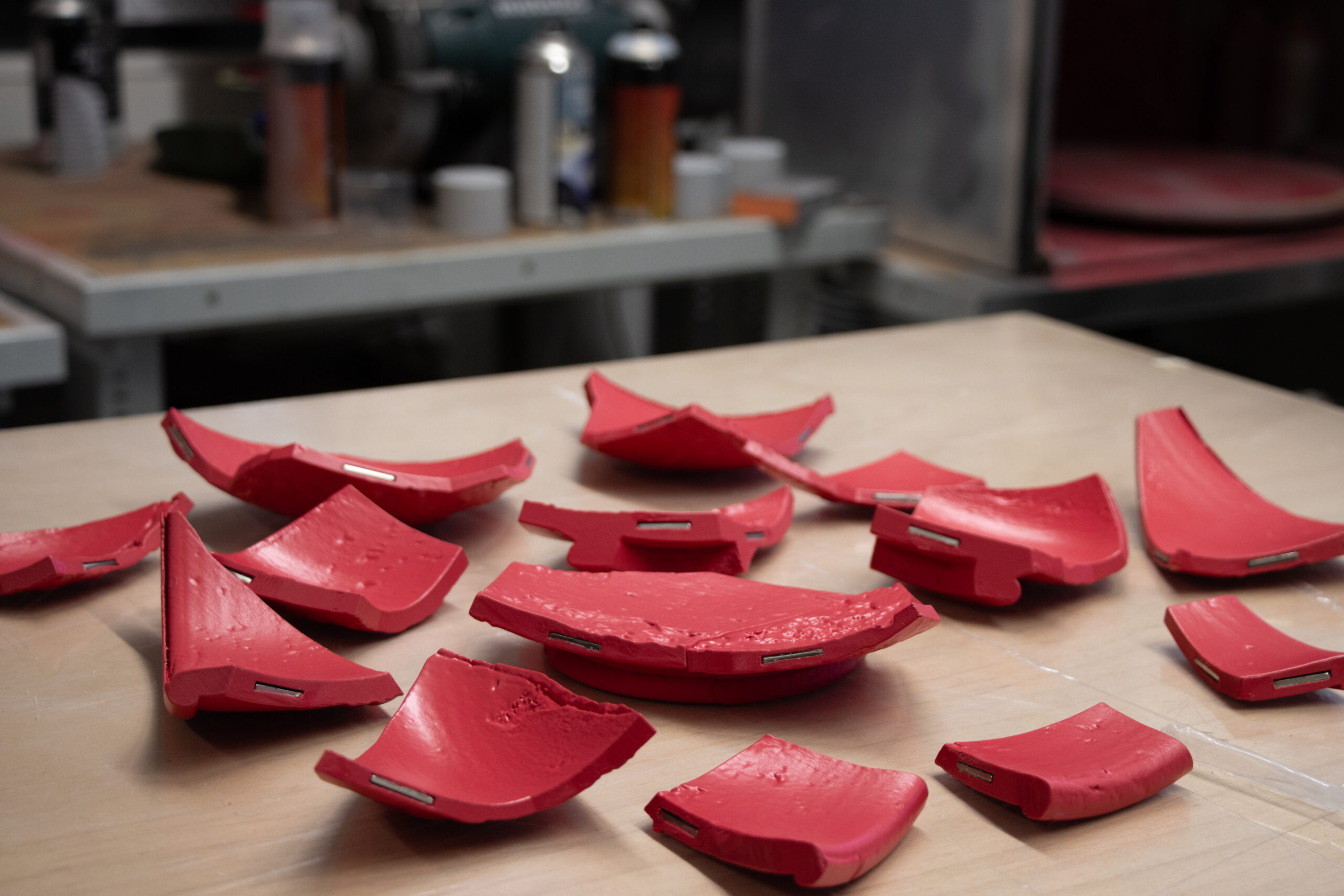
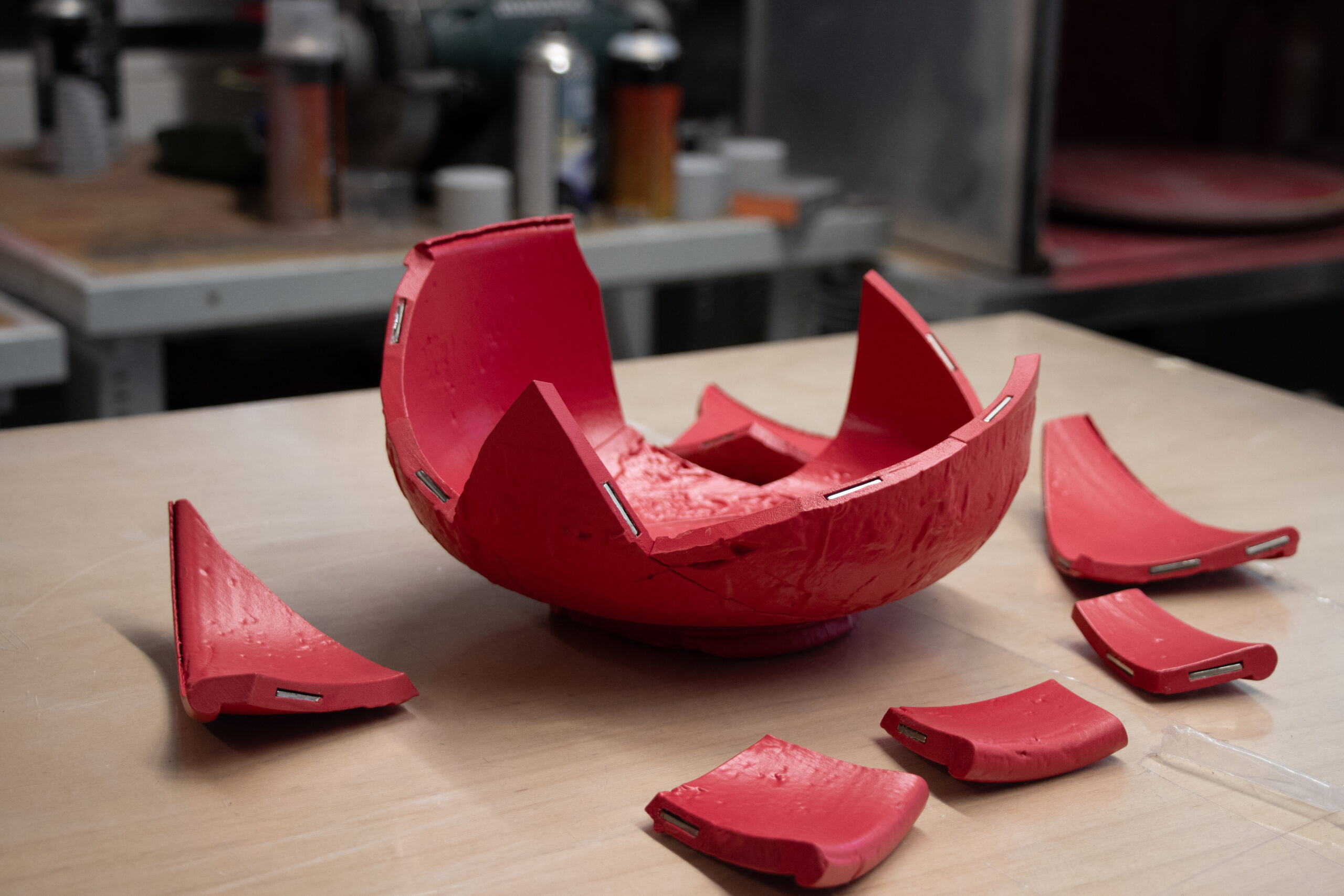
Our 3D printing specialist then took over. He divided the models into individual fragments and designed the required number of holes for magnets in them. The shape of the whole vessel was thus turned into parts made for assembling.
After printing, we fixed magnets into the prepared holes. When fitting them, we had to keep the correct orientation so that the individual parts would connect as intended and the kit would work properly.
The technical realisation therefore included creating printable models, adapting them for the educational game, and then manufacturing and assembling them. The clients brought the idea and the source data; we took care of the steps needed so that visitors could try the idea with their own hands.
From digging up shards to assembling a vase
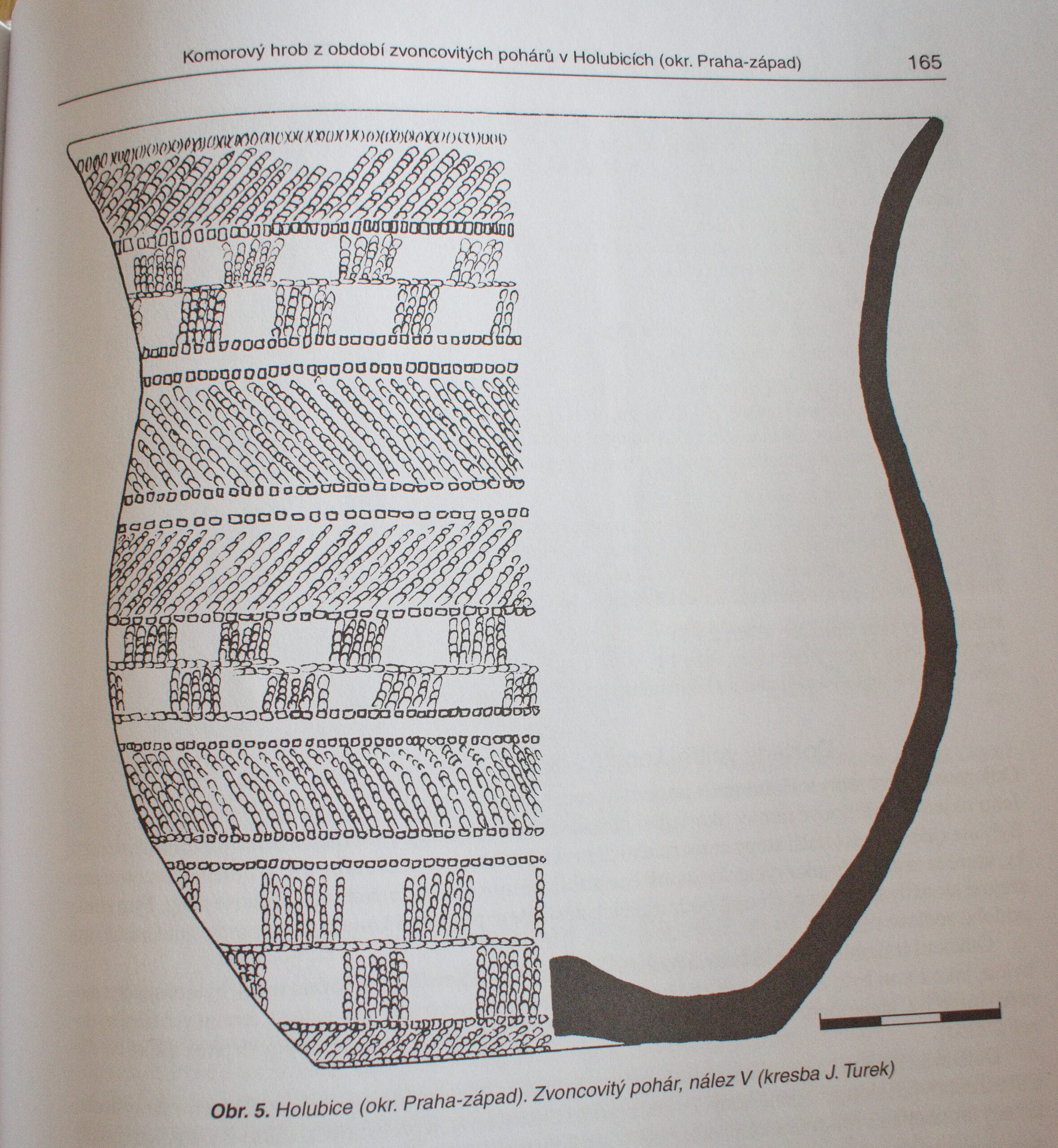
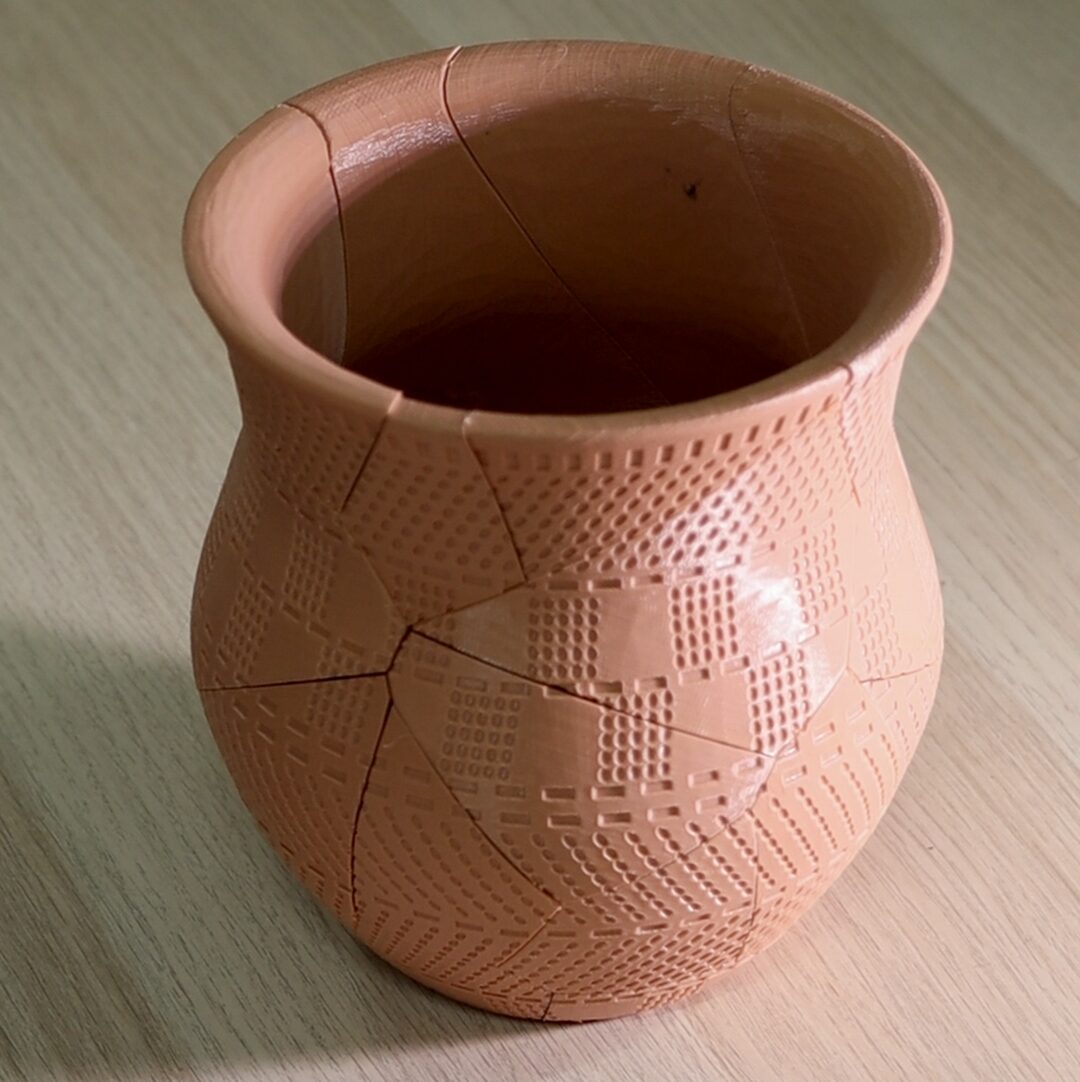
The first project was made for an archaeological exhibition at Nižbor Castle. We printed a vase divided into shards that can be joined back into the original shape using magnets.
The game begins even before the assembly itself: the shards first have to be dug up and cleaned. Visitors can thus go all the way from finding the fragments to reconstructing the whole vessel. They examine their shapes, look for connections and patiently test which parts belong together.
This experience helps children understand that a whole object in a display case may be the result of careful work with individual finds. The magnetic joints also allow the vase to be taken apart again and prepared for the next visitors.
A similar experience for the National Museum
We presented the finished project in a video on social media. Years later, the authors of a National Museum exhibition noticed it and approached us with a request for a similar interactive element.
This time, the model was a terra sigillata bowl from Neratovice, dated to the second half of the 2nd century AD. We created its puzzle replica for the exhibition in the Historical Building of the National Museum.
Here, too, visitors can try assembling the vessel from individual parts. The replica lets them hold the fragments and learn first-hand how the individual shards relate to the final shape of the historical object.
Another use for 3D scans
Many historical artefacts are now documented using 3D scanning. The resulting digital data can also be used to make aids that make collections accessible to visitors.
In both of our commissions, the supplied scans became the starting point for physical replicas. Although they required further modelling work, they made it possible to link the educational game to a specific historical object. The digital documentation thus found another use right in the exhibition.
History explored with your own hands
Both projects solve the same problem: how to bring children closer to objects that may not engage them or make sense to them when simply viewed behind glass. The puzzle replicas give them the chance to get actively involved and try part of the archaeologists' work while the rare originals remain protected.
Thanks to the client's idea and the technical work at PrusaLab, we created aids that connect a museum exhibit with discovery, touch and patient assembly. Visitors can better understand what lies behind the reconstruction of the vessel they see in the display case.