- Art installations
Nexus: Modular lighting installation for the Signal Festival
How was a light object consisting of hundreds of separate parts, held together without a single screw, created? The Nexus installation connects generative art, 3D printing, electronics and precise engineering into an organically functioning structure inspired by neural networks, mycelium and algorithmic growth. The project was created as part of the Signal Calling challenge for the Signal Festival 2023.
Customer
Signal Festival
Signal Creative
Installation/rental description
Year
2023
Turnaround time
8 months

Digital organism composed of 300 cells
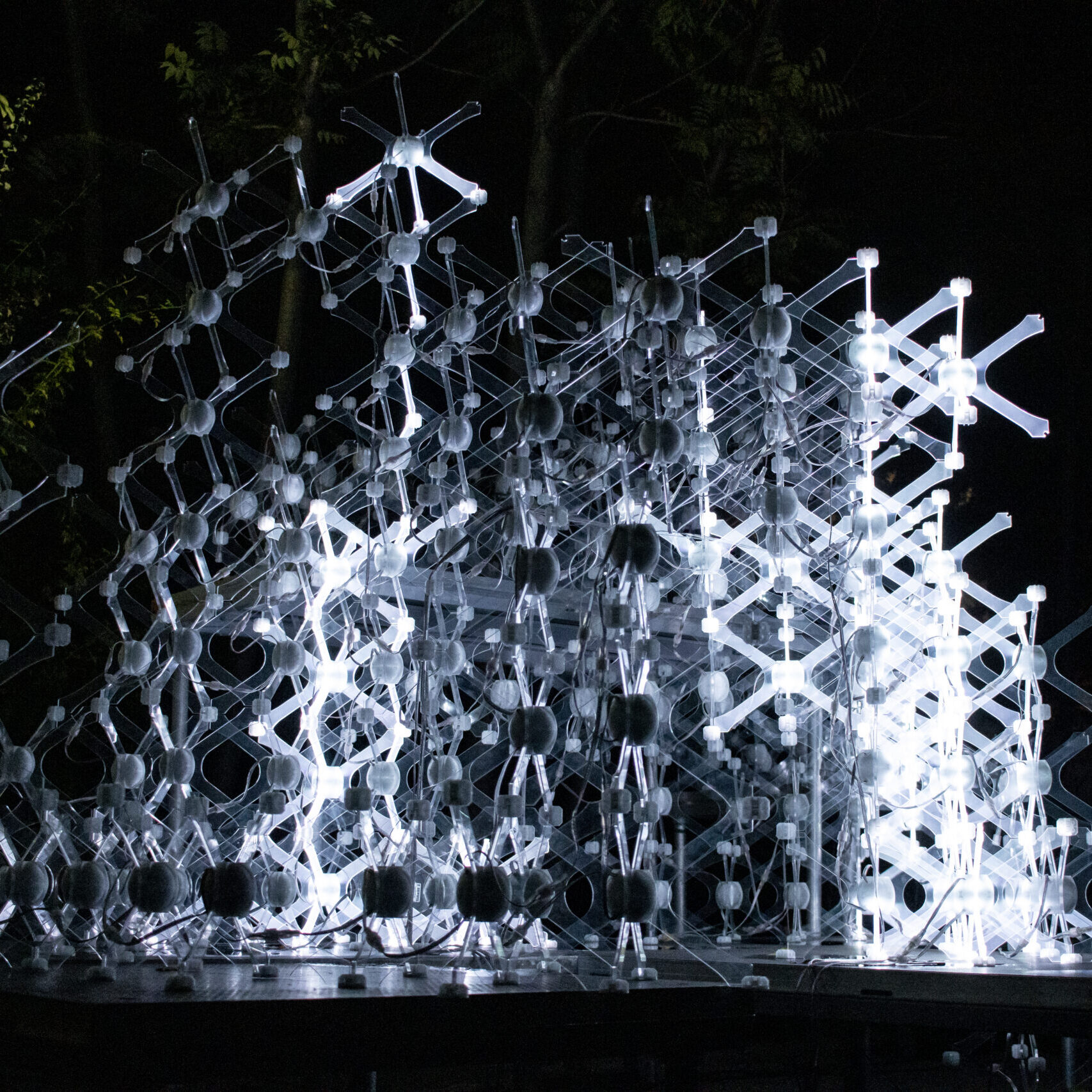
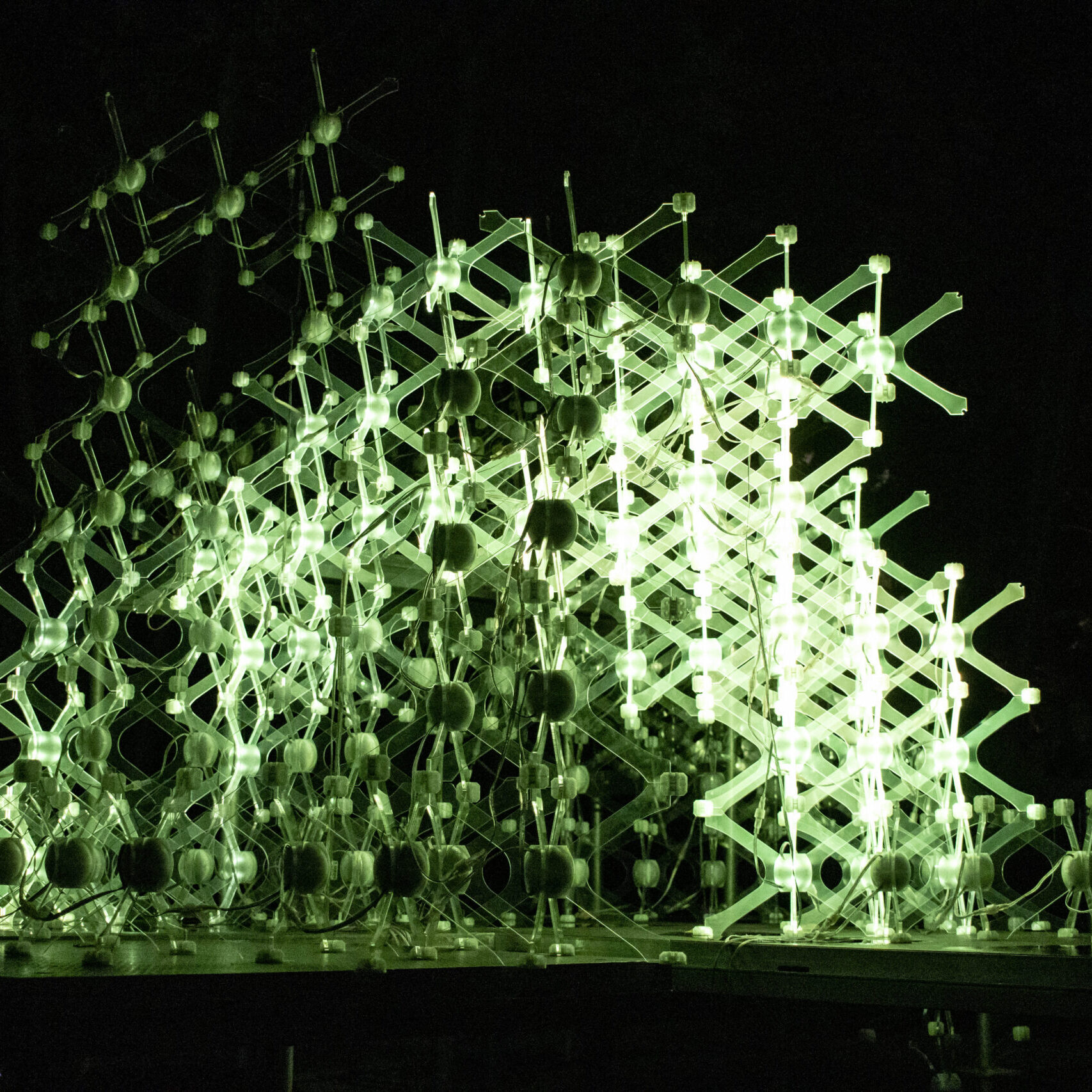
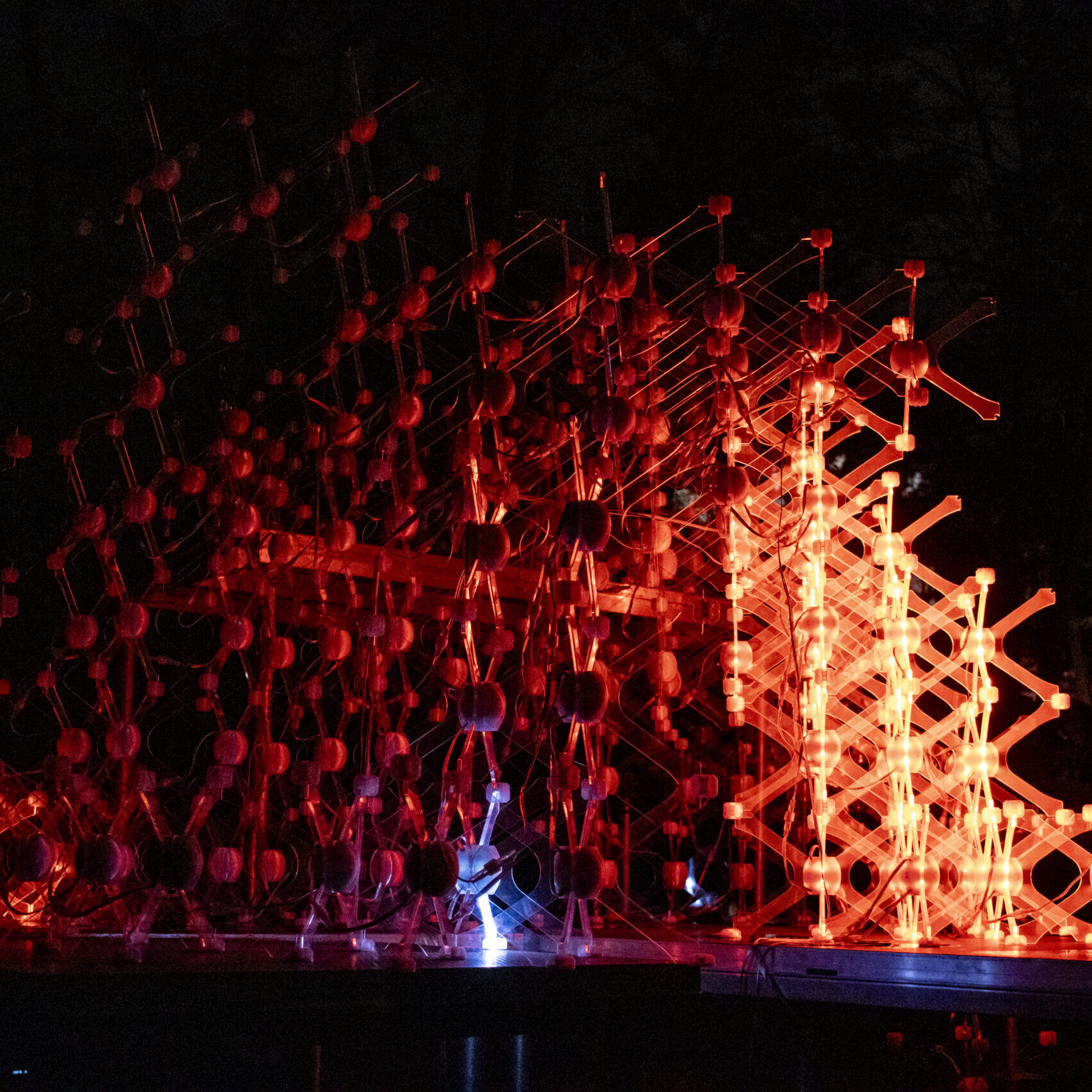
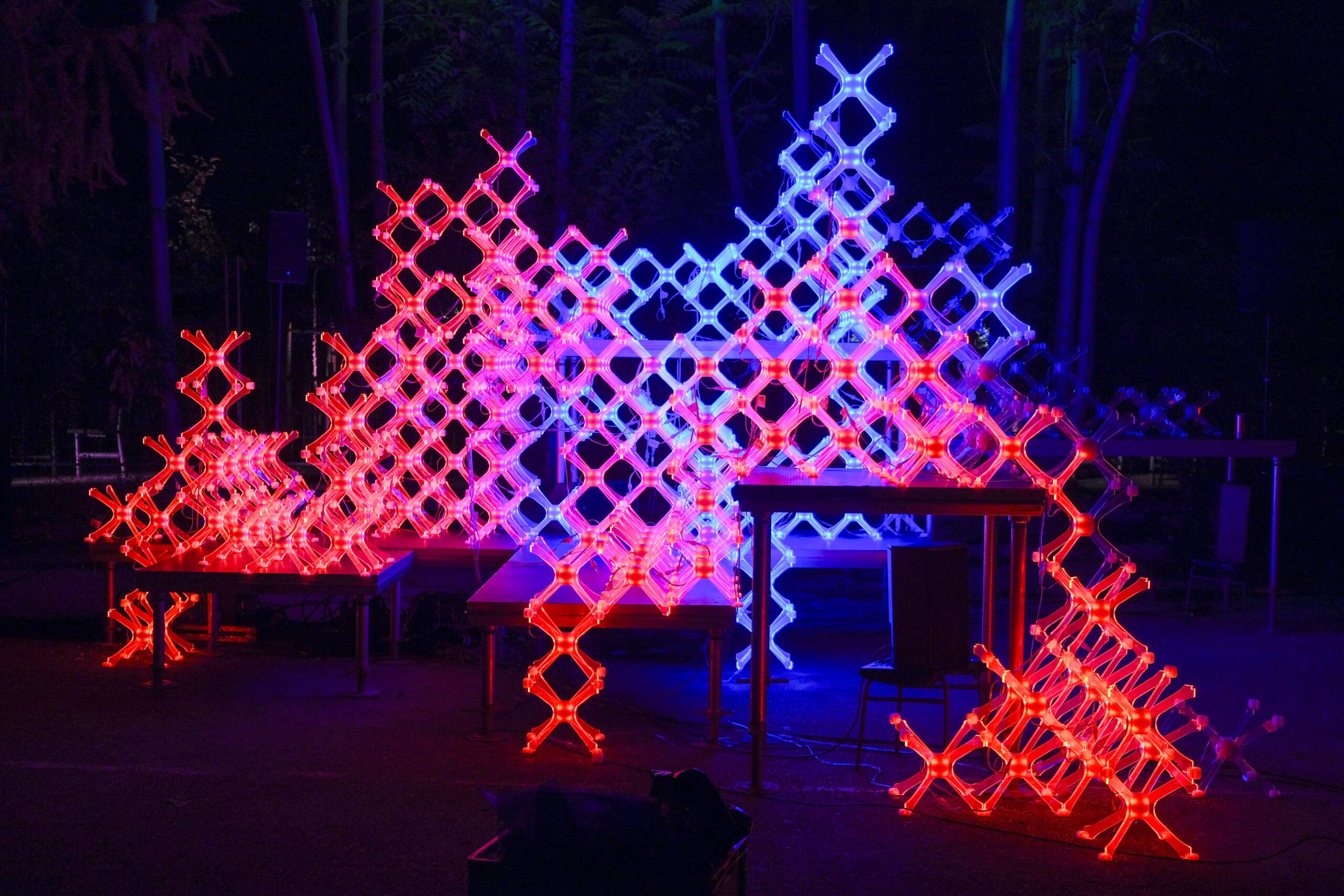
At first glance, Nexus resembles a living organism. It expands into space, branches out and creates the impression of a structure that was formed by natural growth. In reality, it is a precisely designed system composed of 300 separate modules connected into a single lighting network.
When generative art meets engineering
Months of technical development lie behind the organic look of the installation. Every single module had to meet demanding requirements for strength, serviceability, optical properties and simple assembly. The result is a structure that feels natural, yet is based on very precisely defined rules.
3D printing as the foundation of the whole system
3D printing played a key role in the development. It enabled rapid prototyping, testing of various geometries, and the production of final structural parts. Without it, it would not have been possible to create a modular system with the required precision, optical properties, and easy maintenance.
Signal Calling in practice
The project was created as part of the Signal Calling programme, which connects artists with technology partners and makes it possible to turn experimental ideas into real installations. Nexus is an example of how collaboration between the creative and technical worlds can lead to the creation of a work that would not have come into being independently.
Organic network in public space
The Nexus installation was created for Signal Festival 2023 as a complex light object working with the idea of structures that grow and develop according to their own rules. The inspiration came from neural networks, mycelium networks or rhizomatic systems known from nature.
Individual cells of the installation create a connected whole in which light, sound and space communicate with each other. The result is a volumetric light structure spread across all axes of space and giving the impression of a living organism.
The artistic design is the work of creators Lukáš Dřevjaný, David Minařík, Michal Mitro, Luboš Zbranek and Maurício Lobo. A significant part of the technological and structural development subsequently took place in PrusaLab.
Searching for the correct cell
Today's form of the module was definitely not the first variant. During development, the authors and the technical team tested various geometries, from triangular and hexagonal to the final cubic structure complemented by eight light arms.
The resulting module had to meet several contradictory requirements. It had to be sufficiently sturdy, easy to assemble, lightweight, serviceable and at the same time visually appealing.
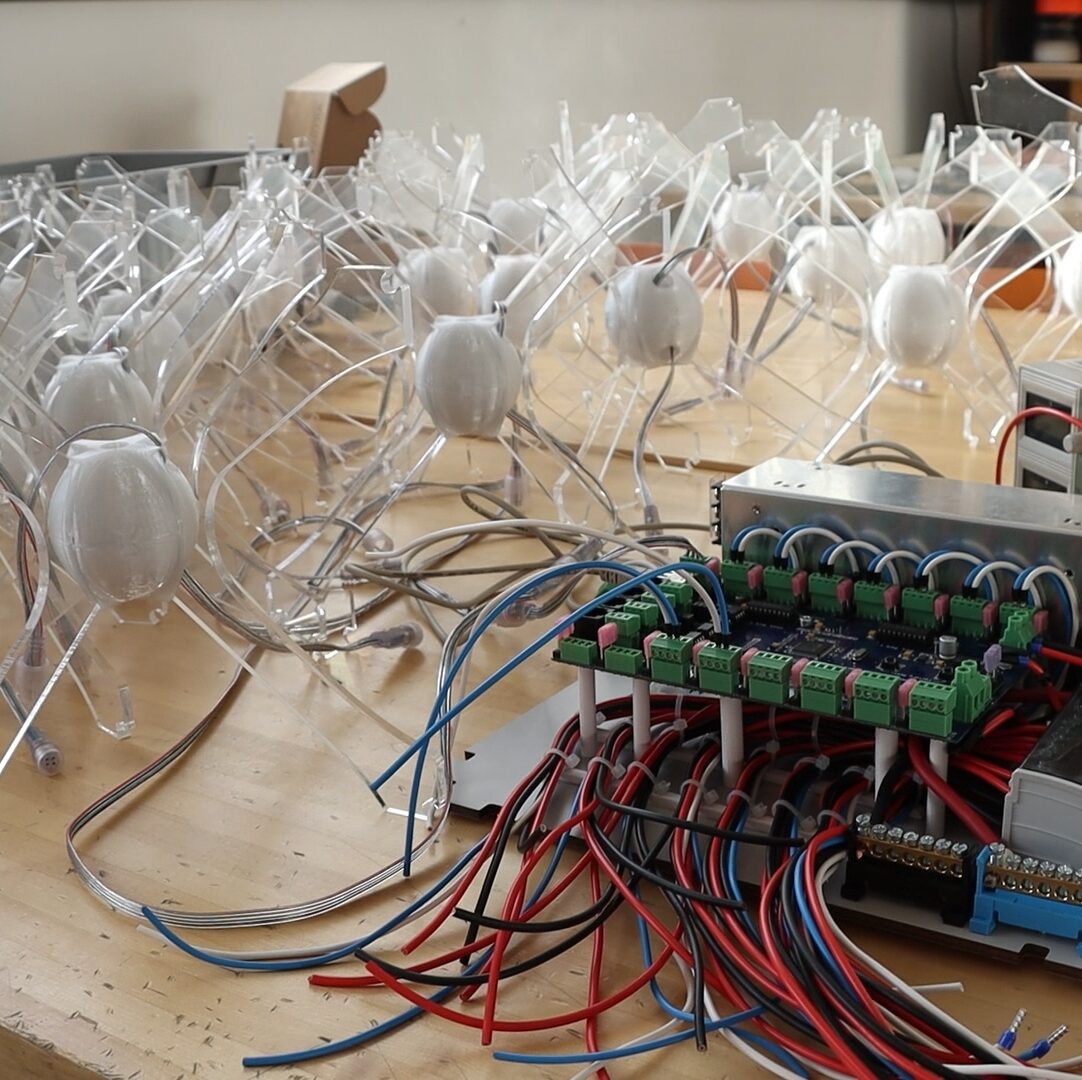
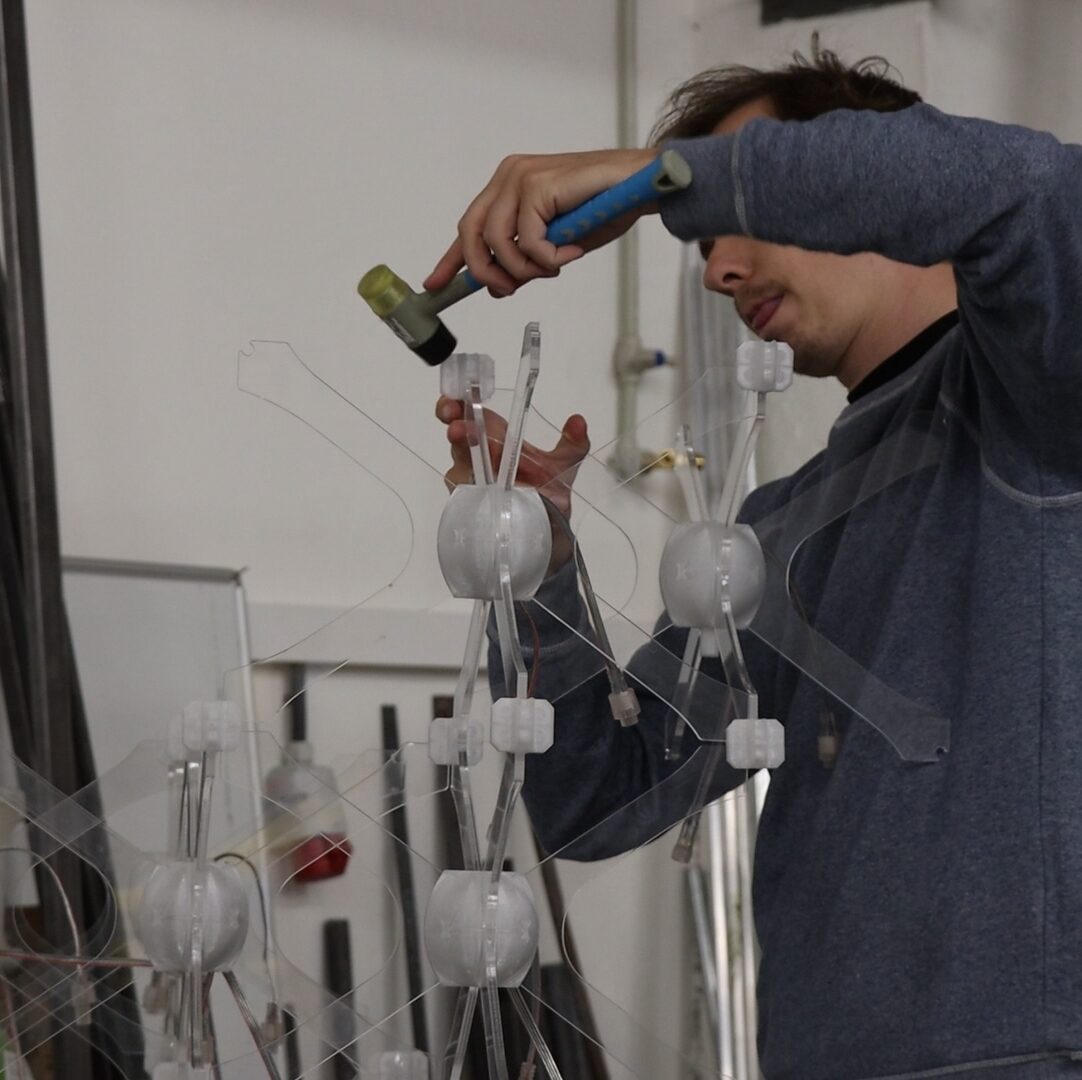
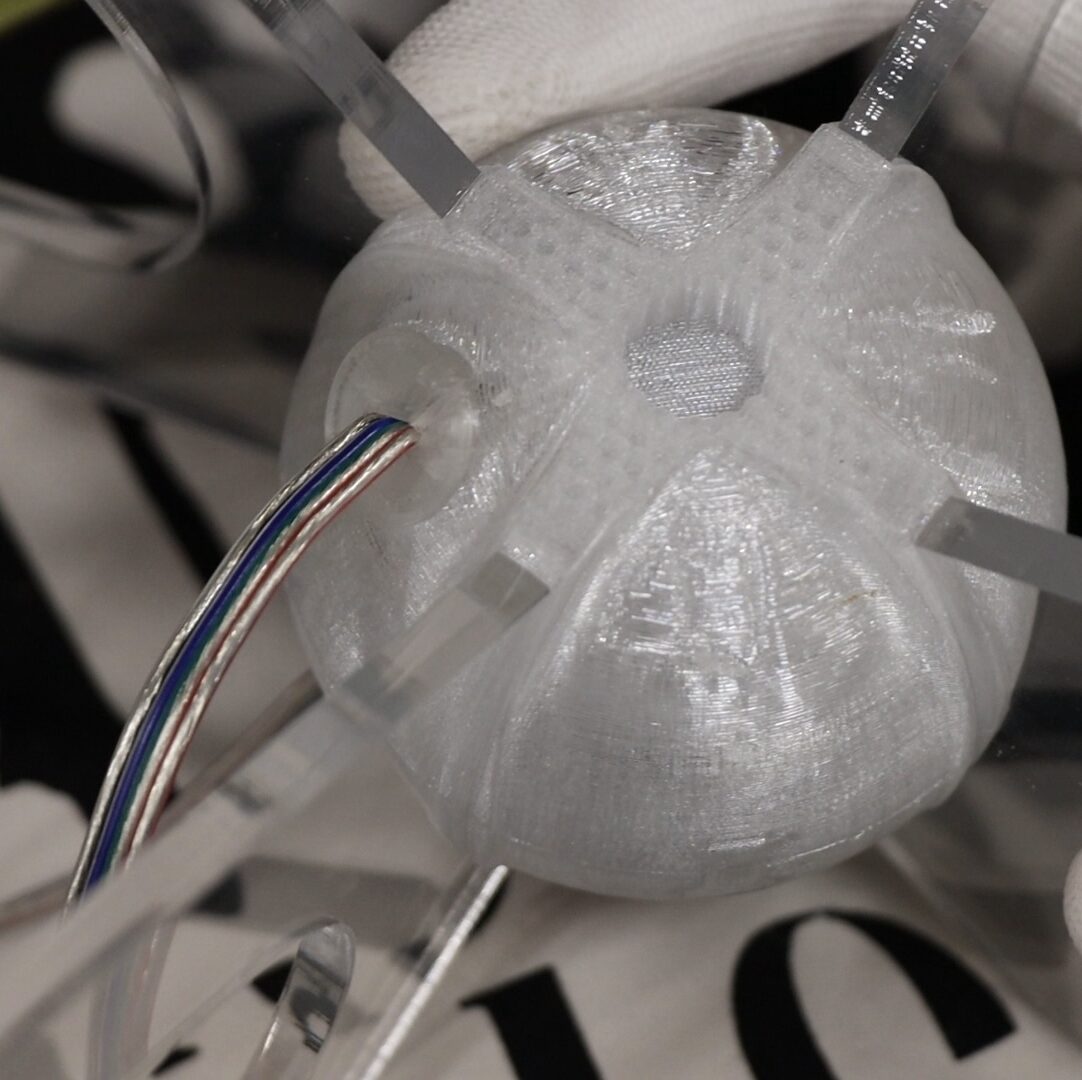
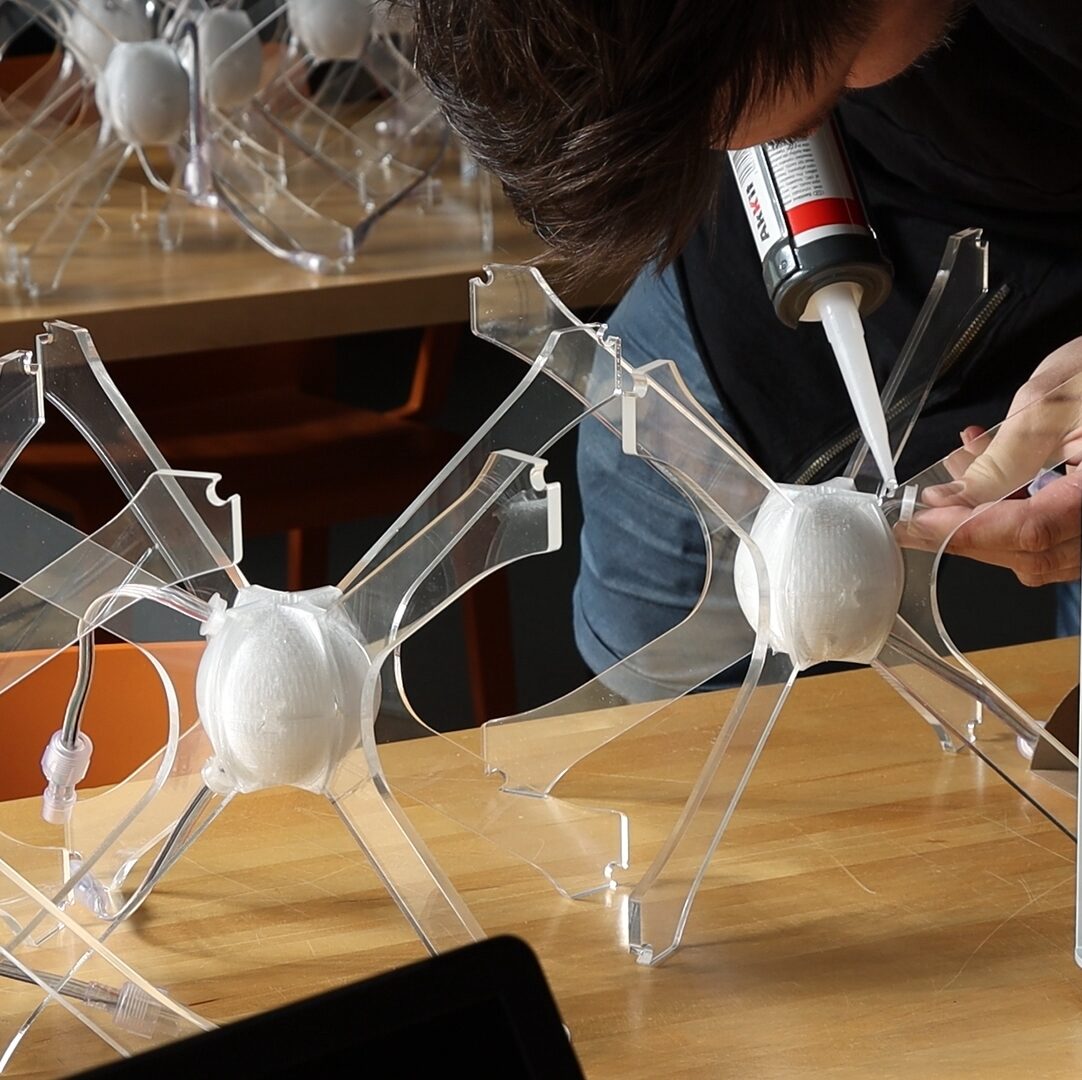
That is precisely why a unique joining system was created, requiring no screws or tools. The centre of the module consists of a precisely designed 3D-printed structure made up of two halves that fit together using special interlocking mechanisms.
This makes assembly quick and intuitive. Furthermore, the same principle has proved crucial from a maintenance perspective.
A structure that can be repaired in minutes
One of the main priorities of the project was maintainability.
In the event of damage, it is not necessary to replace the entire module. It is enough to remove a few fasteners, open the central section and replace the specific part. Whether it is the electronics, cabling or one of the acrylic feet.
Such an approach significantly reduces maintenance costs, simplifies repairs, and at the same time minimises the amount of waste during the operation of the installation.
How to illuminate the entire building
The visual quality of the light was one of the most important aspects of the project.
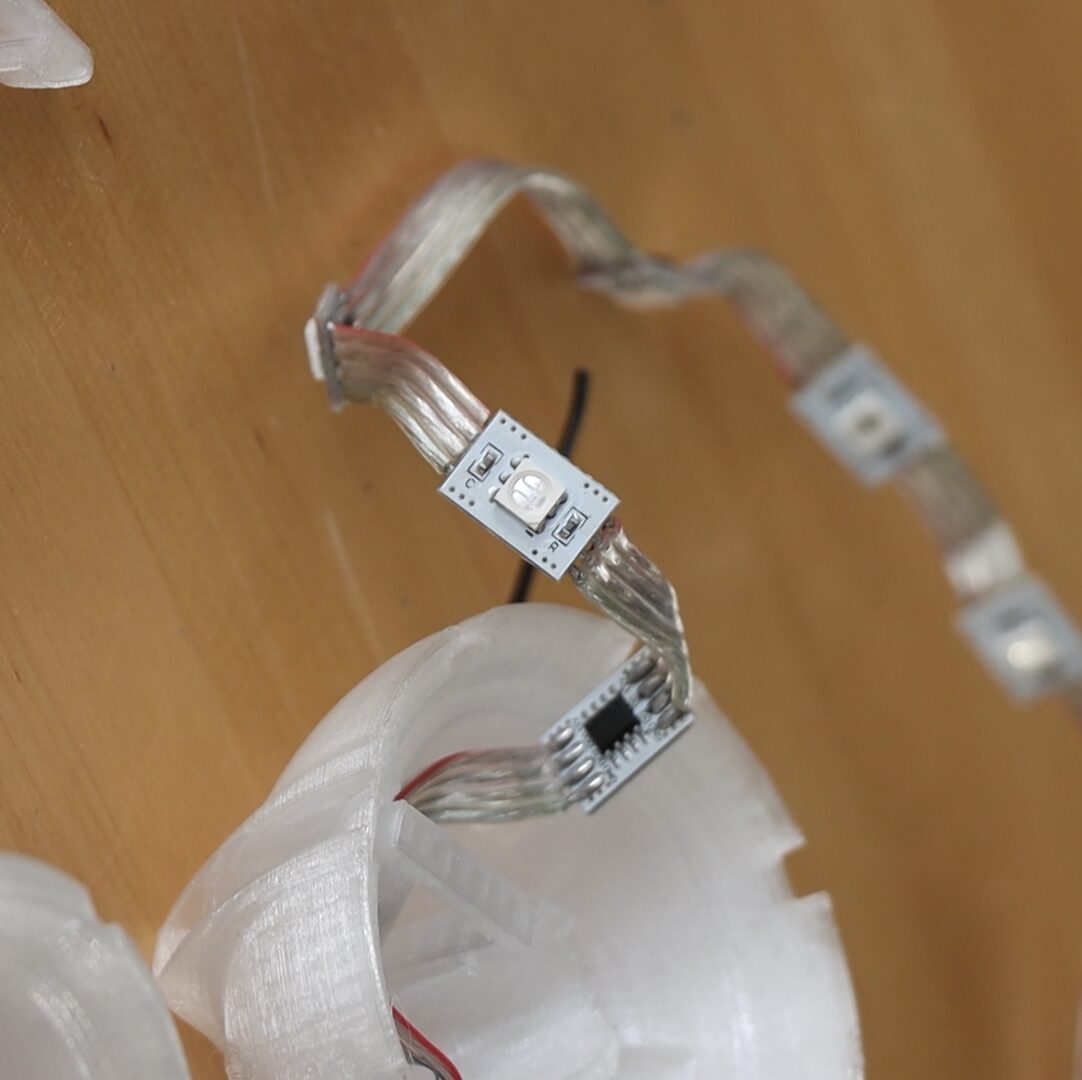
It was not enough simply to place an LED diode inside the acrylic component. The goal was to create the impression that the entire volume of the individual arms was glowing, rather than just their edges or ends.
Following a series of experiments, a special acrylic plexiglass with microparticles was chosen, which disperses light throughout the entire volume of the material. This creates a soft and homogeneous lighting effect.
Equally challenging was the development of the central module parts themselves. These were printed from clear PETG, and the development team tested approximately eight different infill structures. In the end, a precisely defined honeycomb structure prevailed, offering the best combination of strength and optical properties.
Even the print speed played an important role. Printing too fast caused a milky cloudiness in the material and reduced its translucency. Therefore, every parameter had to be carefully optimised.
Production of hundreds of unique parts
Manufacturing 300 modules was a challenge in its own right.
Each module contained several 3D-printed components, and production took place at the PrusaLab print farm for many weeks. It was not possible to simply speed up the production of individual parts by increasing the print speed, as this would have impaired the optical properties of the material.
It was right here that the advantage of an extensive printing infrastructure and experience in high-volume 3D printing production became apparent.
Electronics and spatial mapping
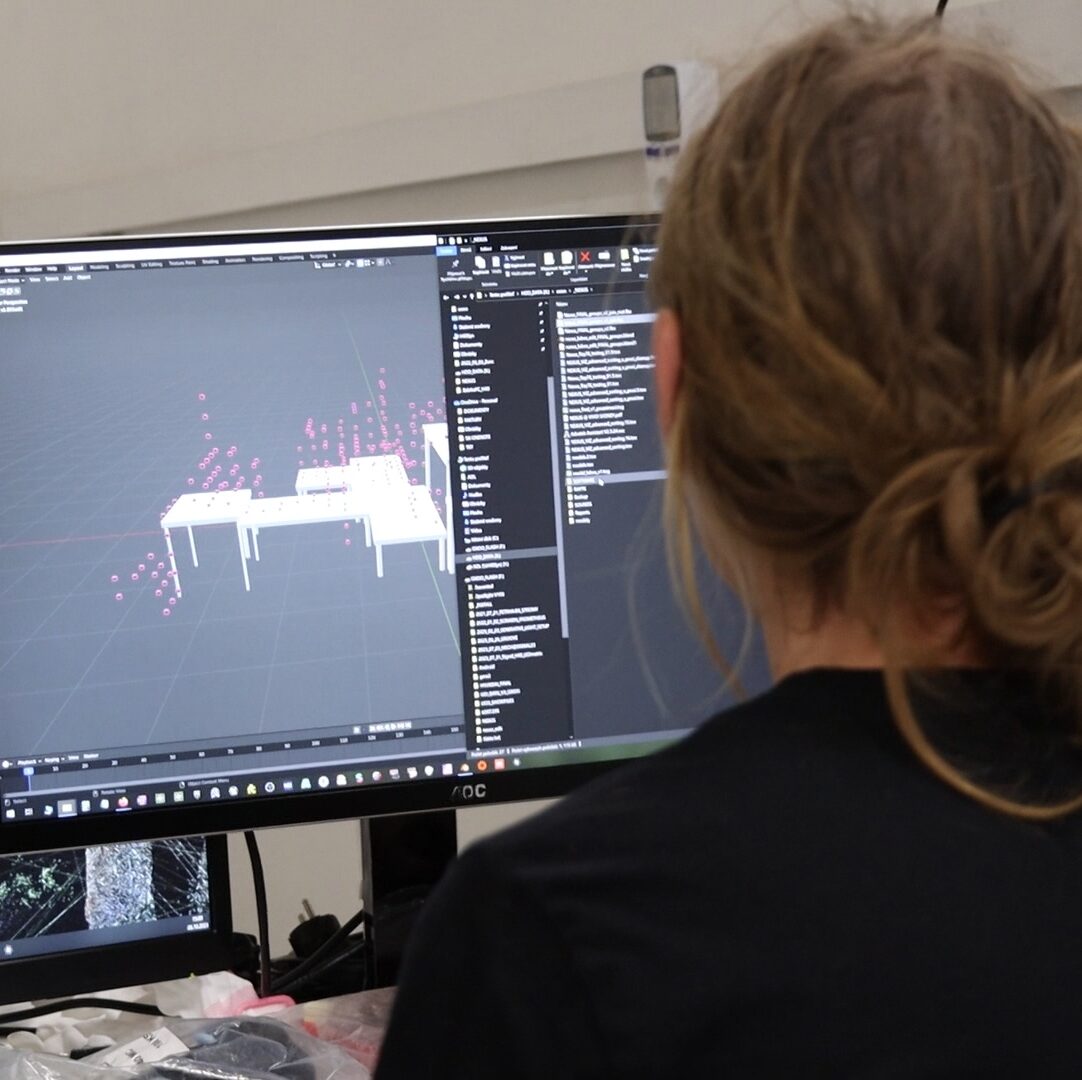
Nexus is not just a luminous object. It is a precisely addressable system in which every LED diode has its specific place in space.
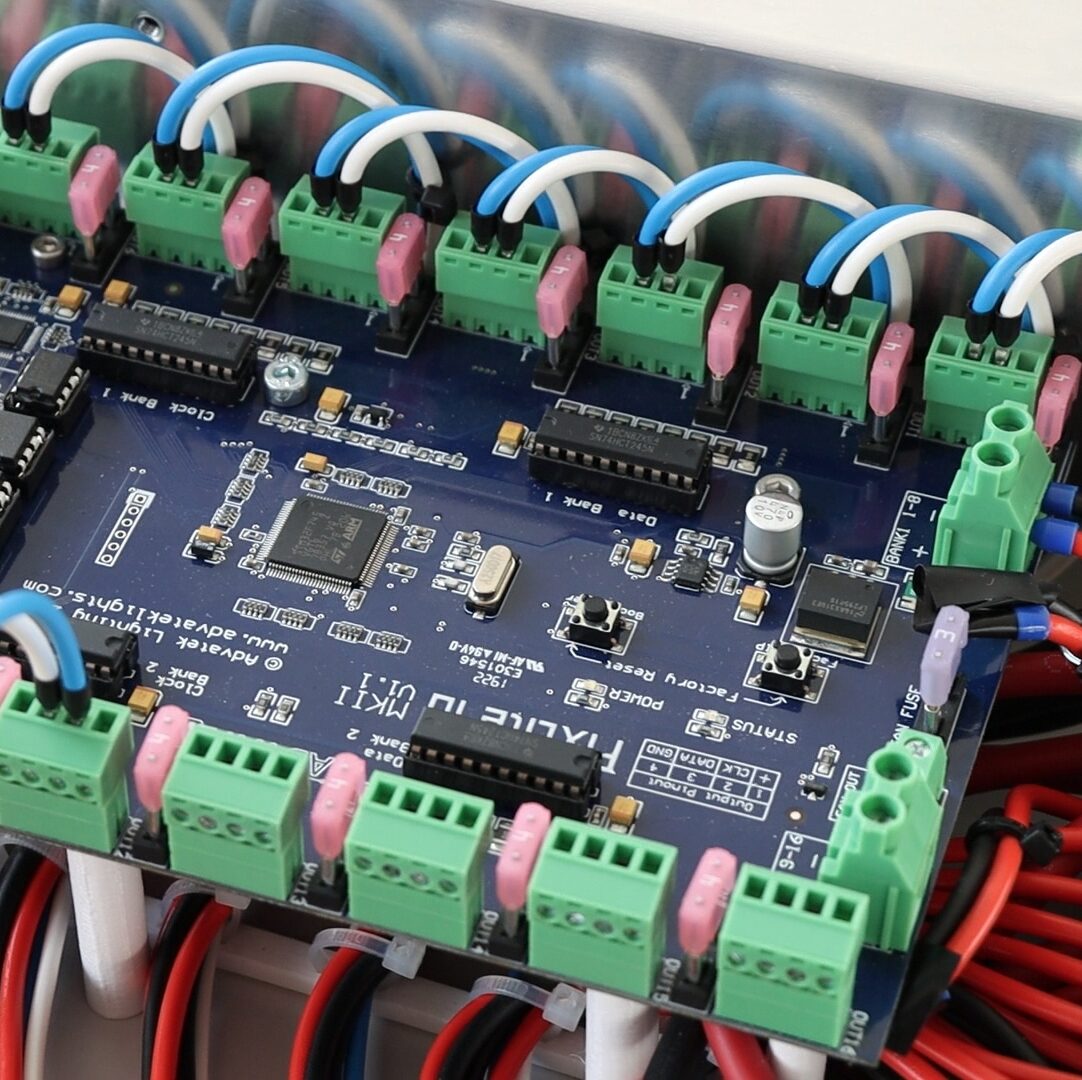
Each module contains eight independently controlled light points, and all modules are connected into branches that together form a single lighting network.
In order to properly control the resulting animations, the precise orientation of each module had to be maintained during assembly. The control software works with the specific position of individual elements, and any deviation would disrupt the resulting light pattern.
The main power supply solution for the entire installation was also created in PrusaLab. The system incorporates a special Powerbox containing circuit protection, power distribution and a soft-start system that protects the installation against current surges upon startup.
A structure resembling 3D Tetris
Before the actual installation on site, it was necessary to assemble and test the entire structure directly in PrusaLab.
Following functional testing, the structure was divided into larger blocks, transported to the installation site and subsequently reassembled in accordance with the spatial layouts prepared by the authors.
The assembly itself resembled three-dimensional Tetris. Every segment had to fit into a precisely designated place while maintaining the correct electrical connection.
Testing and subsequent operation confirmed the high stability of the structure, even in areas with significant spatial overhangs.
About the authors
Nexus was created thanks to the collaboration of creators from various fields of contemporary art and technology.
Lukáš Dřevjaný has long been dedicated to lighting design, interactive installations and creative technologies. David Minařík connects fine art with research into new materials and is the founder of the Myco startup. Michal Mitro works with space, light and sound within experimental art projects. Luboš Zbranek specialises in 3D graphics, video mapping and interactive environments. The sound component was created by Maurício Lobo, a Portuguese sound artist and composer working at the intersection of music, sound design and new media.
Result
Nexus demonstrates how generative art, digital fabrication and precise engineering can function as a single entity. The installation feels organic and intuitive, yet in reality it relies on hundreds of hours of development, testing and optimisation.
The project has become an example of how important a role technologies that we usually associate rather with industry or product development can play in the creation of contemporary art. In the case of Nexus, 3D printing, electronics and an engineering approach became the foundation of a work that managed to transform the space of the Signal Festival into a living luminous organism.