- Accelerated
iCAT: An open-source scientific tool developed by a PrusaLab member
What if a researcher needs specialised laboratory equipment that either does not exist on the market or costs hundreds of thousands to millions of crowns? The iCAT project shows that thanks to 3D printing, open-source hardware and smart design, an affordable scientific tool can be created that a laboratory can build practically anywhere in the world.
Customer
Ondřej Svoboda, Institute of Molecular Genetics of the Czech Academy of Sciences
Region
science and research
Year
2023
Turnaround time
6 months
Science without million-dollar budgets
Modern biological research often requires highly specialised equipment. However, commercial solutions tend to be expensive, closed and difficult to adapt to the specific needs of researchers. The iCAT project was created in response to the need for an accessible tool that would offer similar capabilities at a fraction of the cost.
Open source from start to finish
The whole project was designed as an open-source solution from the outset. The construction data, 3D models and documentation are publicly available, allowing anyone to build, modify or further develop the device. As a result, the scientific community worldwide can use iCAT without the need to invest in expensive commercial systems.
3D printing as a key technology
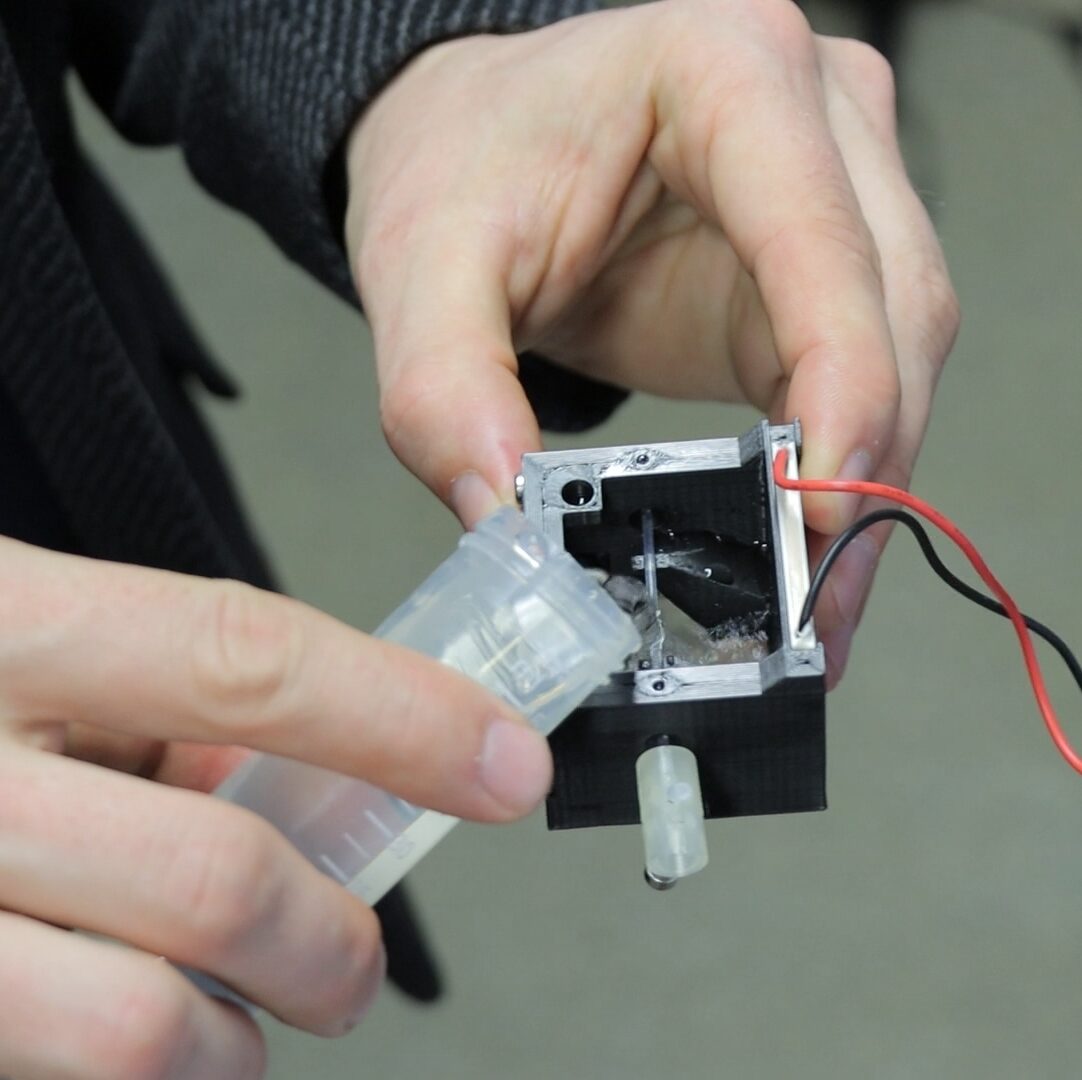
The availability of the device relies primarily on the use of 3D printing. Most of the structural parts can be produced on a standard 3D printer and supplemented with commonly available electronic components. The result is a device whose price is around three thousand crowns instead of hundreds of thousands or millions.

Project membership in practice
iCAT was created as part of project membership at PrusaLab. Ondřej Svoboda used our technologies, expertise and consultations to take his research tool from a working prototype to a robust device ready for publication and sharing with other researchers.

When science needs a new tool
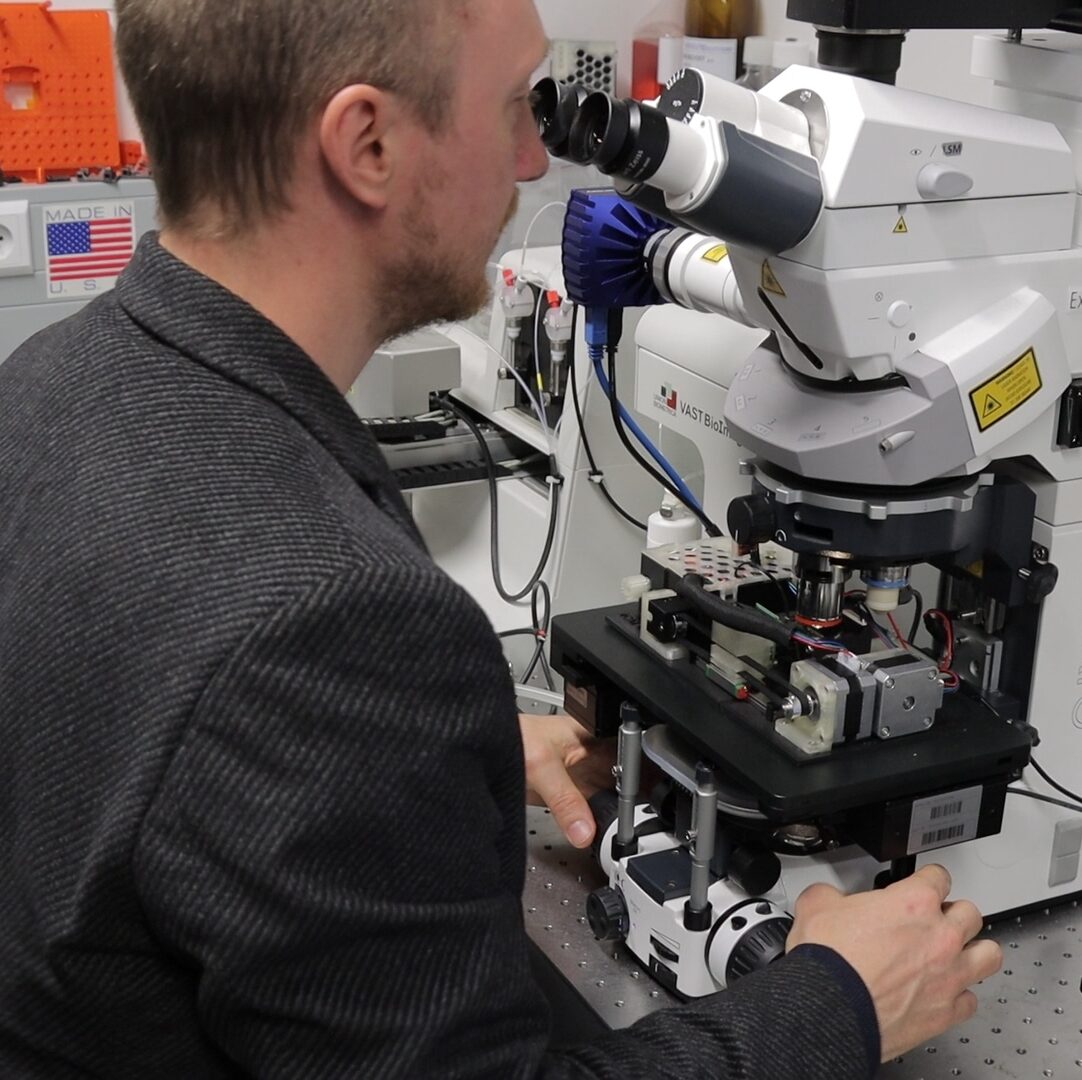
Ondřej Svoboda works at the Institute of Molecular Genetics of the Czech Academy of Sciences, where he focuses on the research into mechanisms of blood cell formation. In his work, he uses the zebrafish as a model organism, observing its embryos using long-term microscopic imaging.
It was precisely during these experiments that he ran into a problem. Embryos often need to be monitored for tens of hours, positioned precisely, and ideally, there should be the ability to control the entire experiment remotely outside of normal working hours. However, commercial devices with similar functions are very expensive and often do not even offer exactly what the researcher needs.
And so the idea of creating his own solution was born.
What is iCAT
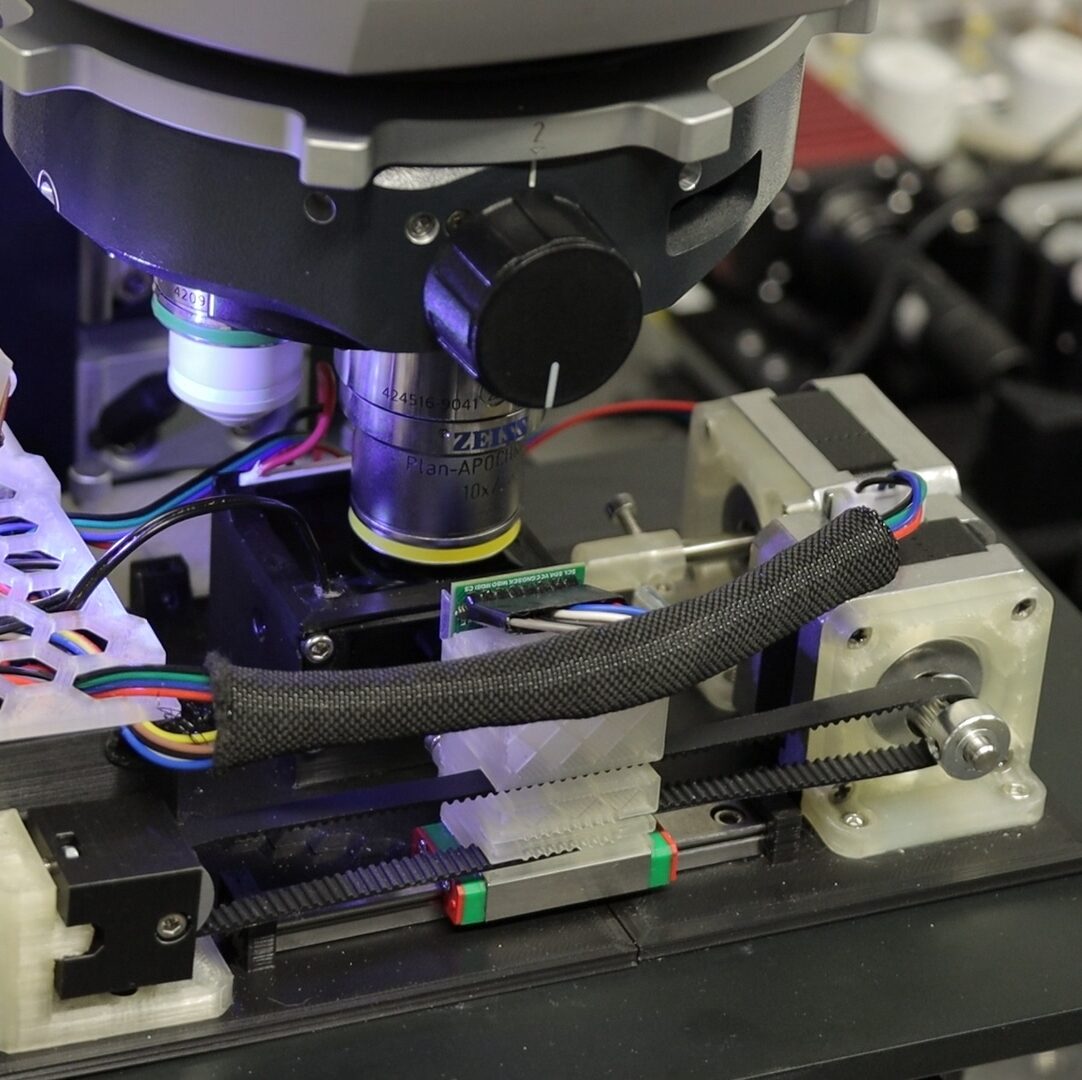
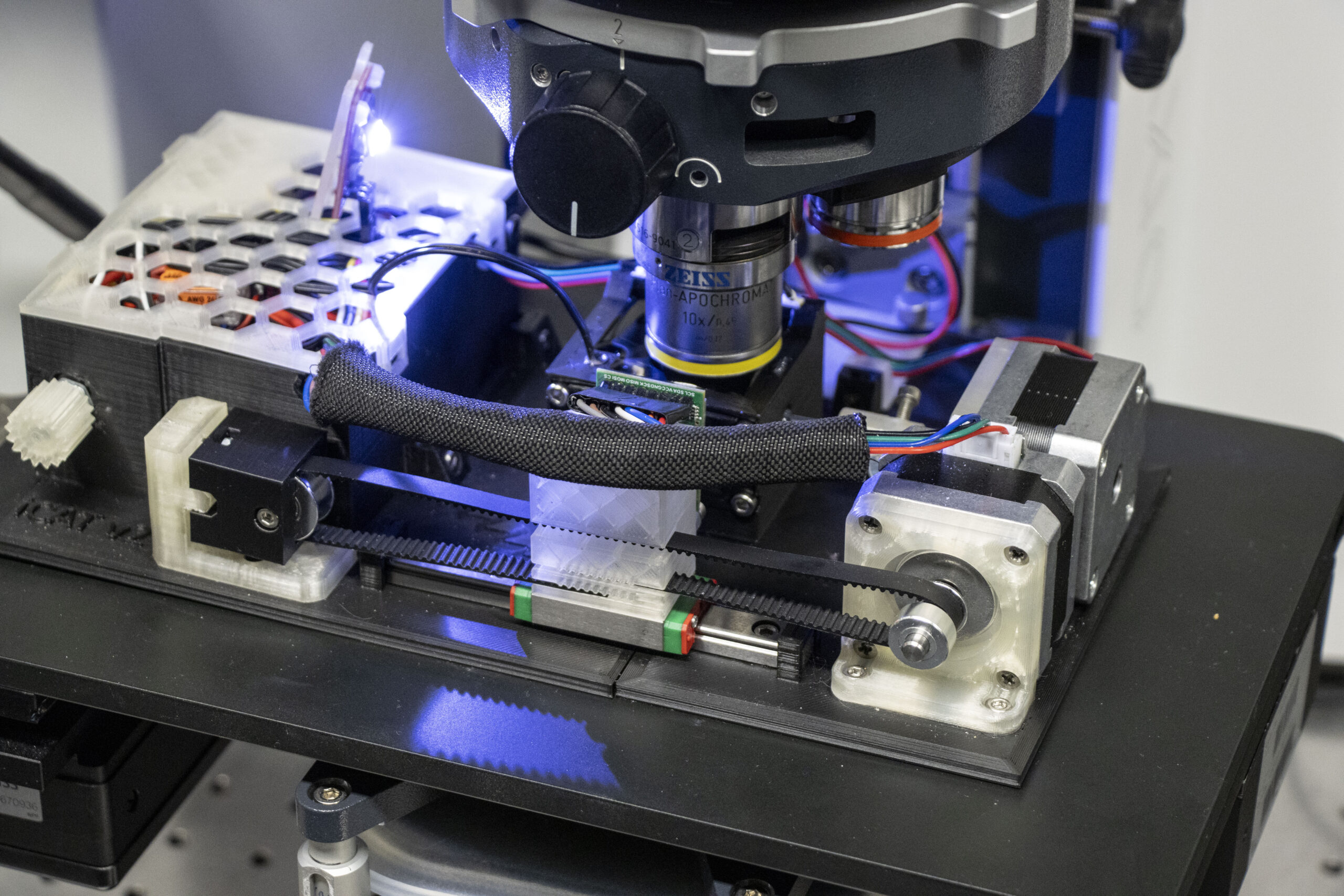
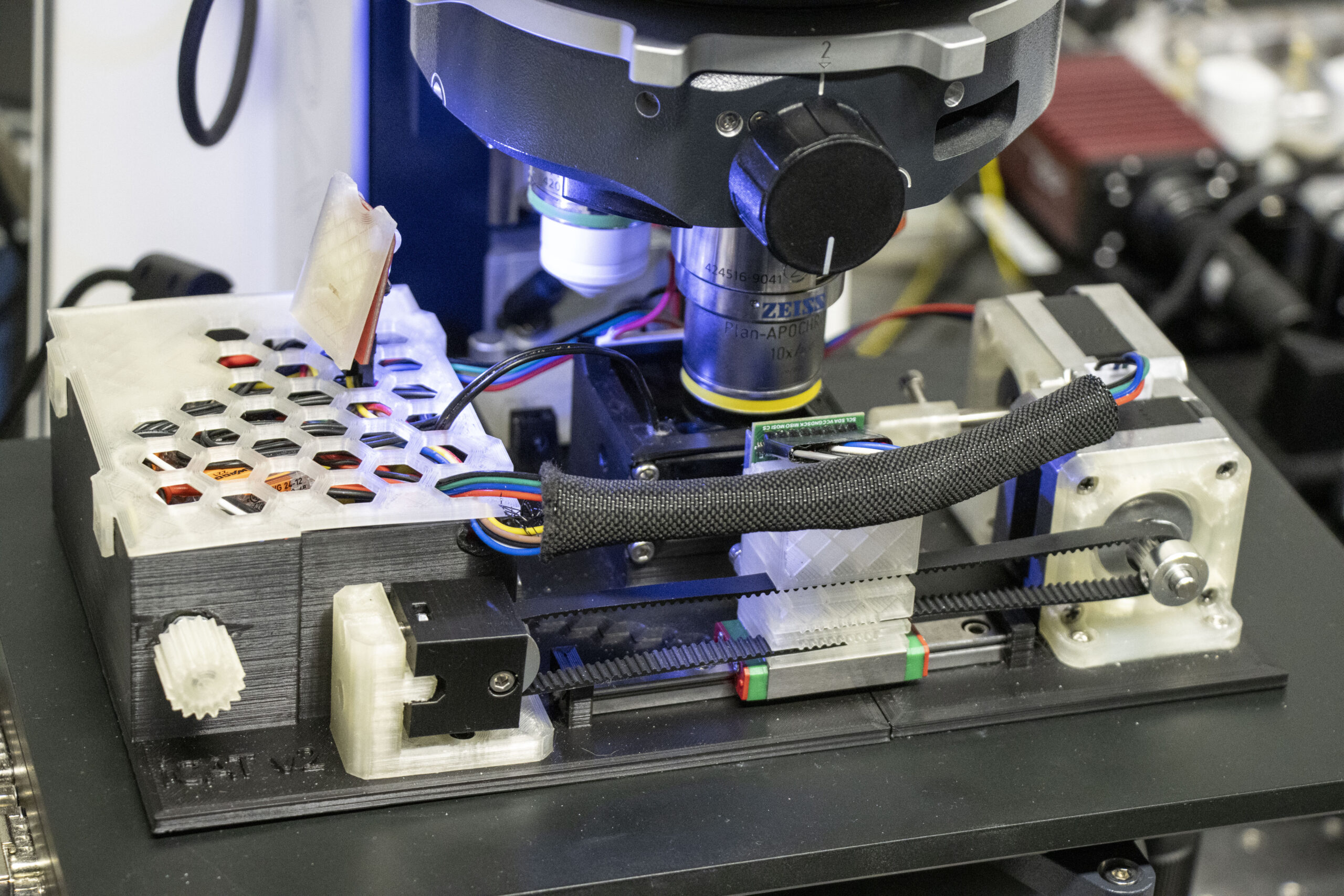
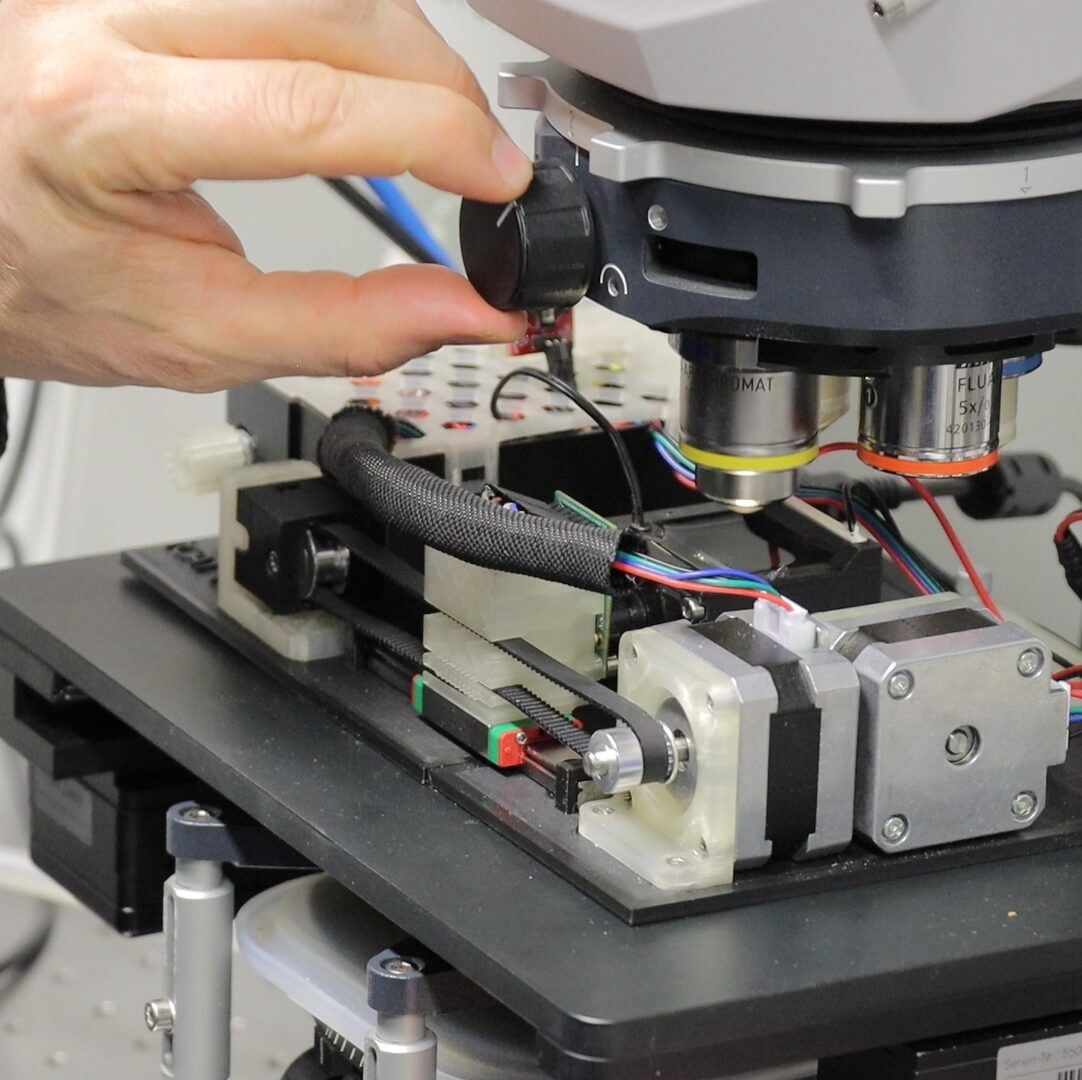
iCAT (Intuitive Controlled Axial Tilt) is a device enabling precise rotation of biological samples along the X-axis during microscopic observation. Thanks to this, the sample can be viewed from various angles without the need for direct manipulation during the experiment.
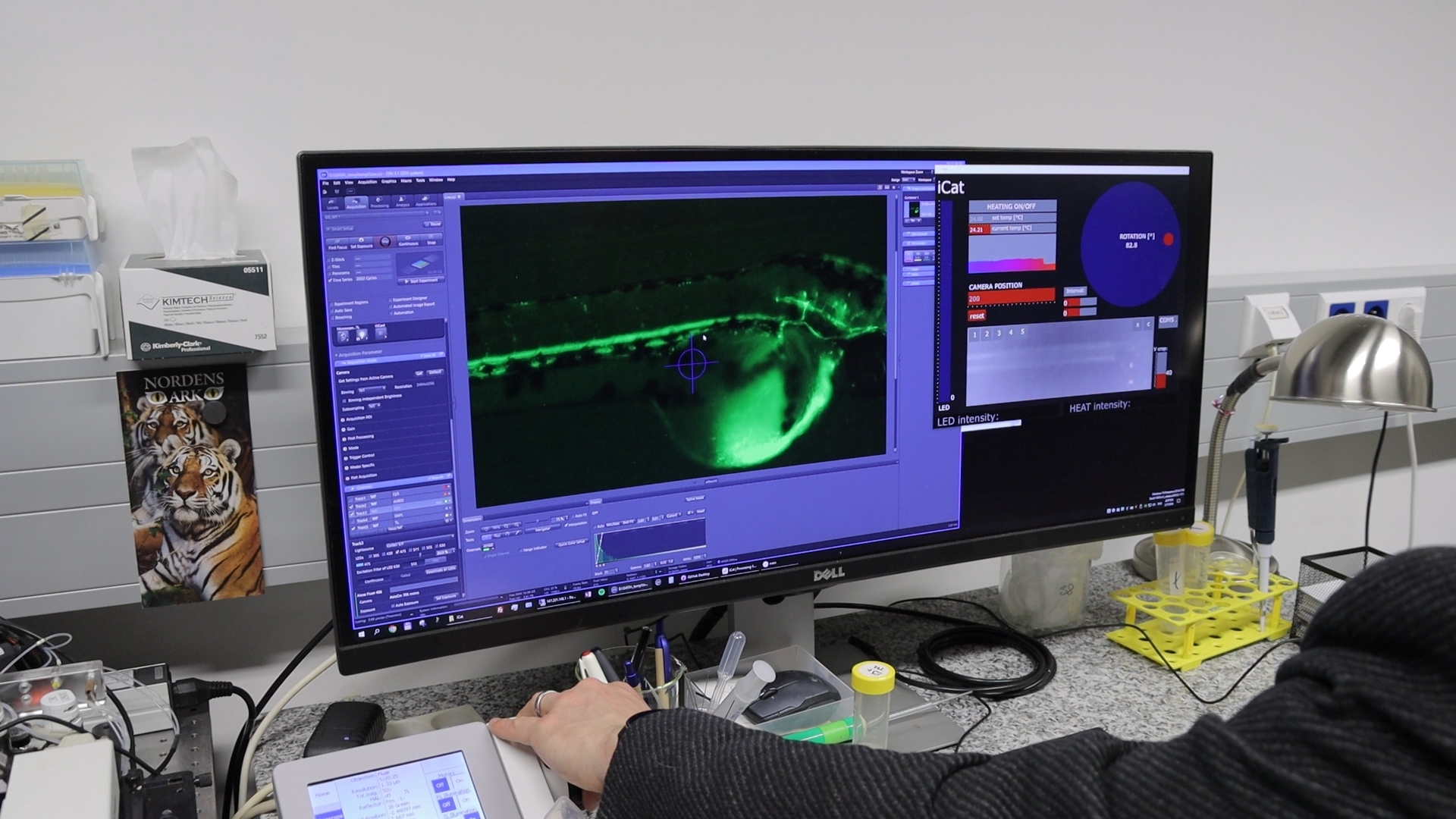
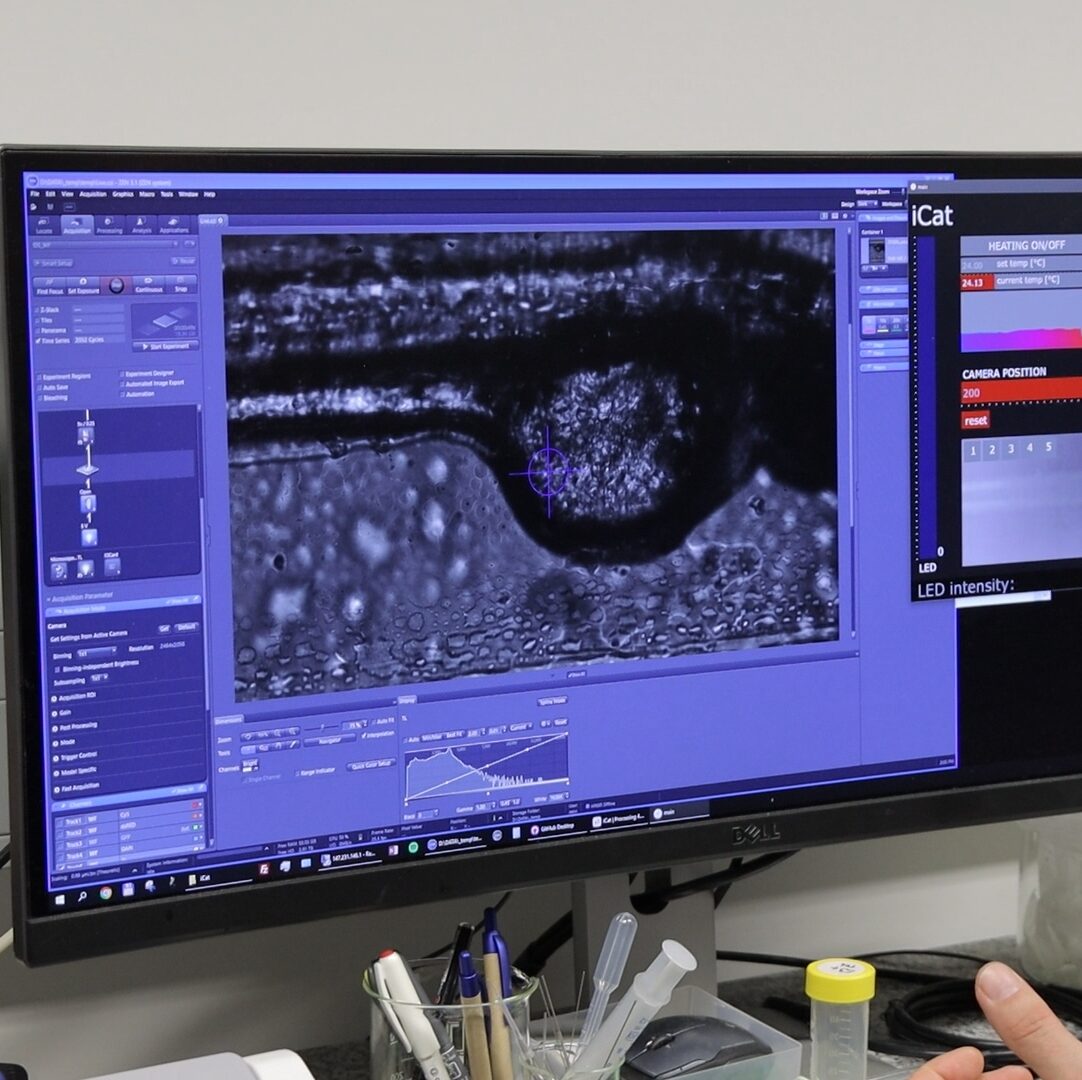
However, the device offers much more than just positioning. The system includes temperature control, lighting management and an integrated camera enabling remote viewing of the experiment.
The entire system is connected to software running on a local computer and can also be conveniently controlled remotely. A researcher can thus monitor the progress of the experiment, for example from home, without having to be physically present in the laboratory.
From prototype to robust solution
The first working version of the device was created even before entering PrusaLab. Although it worked, its design was not robust enough and the production of individual parts was unnecessarily complicated.
As part of our project membership, we worked together to find ways to simplify the device, increase its reliability, and prepare it for wider use. Thanks to access to digital manufacturing, 3D printing and other technologies, it was possible to rapidly test new design variants and continuously improve them.
The result is a significantly more robust and easily reproducible device, which is ready for sharing with other laboratories.
Why 3D printing in particular
3D printing played a key role in the development of iCAT. It enabled rapid prototyping of individual components, immediate verification of design changes and, above all, a significant reduction in production costs.
The same technology that helped develop the device also allows for its easy replication. Anyone interested can download the STL files, print the necessary parts and assemble the device from commonly available components.
It is precisely this openness and accessibility that represents one of the greatest advantages of the entire project.
Open-source science
One of the main aims of the project was to enable the use of a similar device even for laboratories that do not have access to large budgets. All documentation, design materials, and source codes are therefore publicly available.
iCAT is therefore not just one specific device. It is a platform that other researchers can modify, expand and adapt to their own needs.
The project demonstrates that open-source hardware and digital fabrication can make a significant contribution to the democratisation of scientific research.
Result
The iCAT project is an example of how modern manufacturing technologies can help solve real-world problems in scientific practice. Thanks to a combination of 3D printing, open-source hardware, and shared know-how, a device has been created that offers features comparable to commercially available systems that are many times more expensive.
For us in PrusaLab, iCAT represents a great example of how project membership can help turn a good idea into a functional solution with real impact. At the same time, it confirms that technologies available to makers, students or researchers can lead to the creation of tools that push the boundaries of science.