- Accelerated
Automated tablet weaving machine: From hand weaving to a CNC machine
Can a textile technique several hundred years old be brought into the digital age? As part of a PrusaLab project membership, a unique automated tablet weaving machine is being developed that connects a historical craft with CNC technology, 3D printing and custom software. Honza and Kačka's project shows that modern manufacturing does not have to replace tradition – on the contrary, it can help preserve it and take it further.
Creators
Honza and Kačka
Region
historical crafts / production automation
Year
2025–2026
Turnaround time
ongoing development
Tradition reimagined
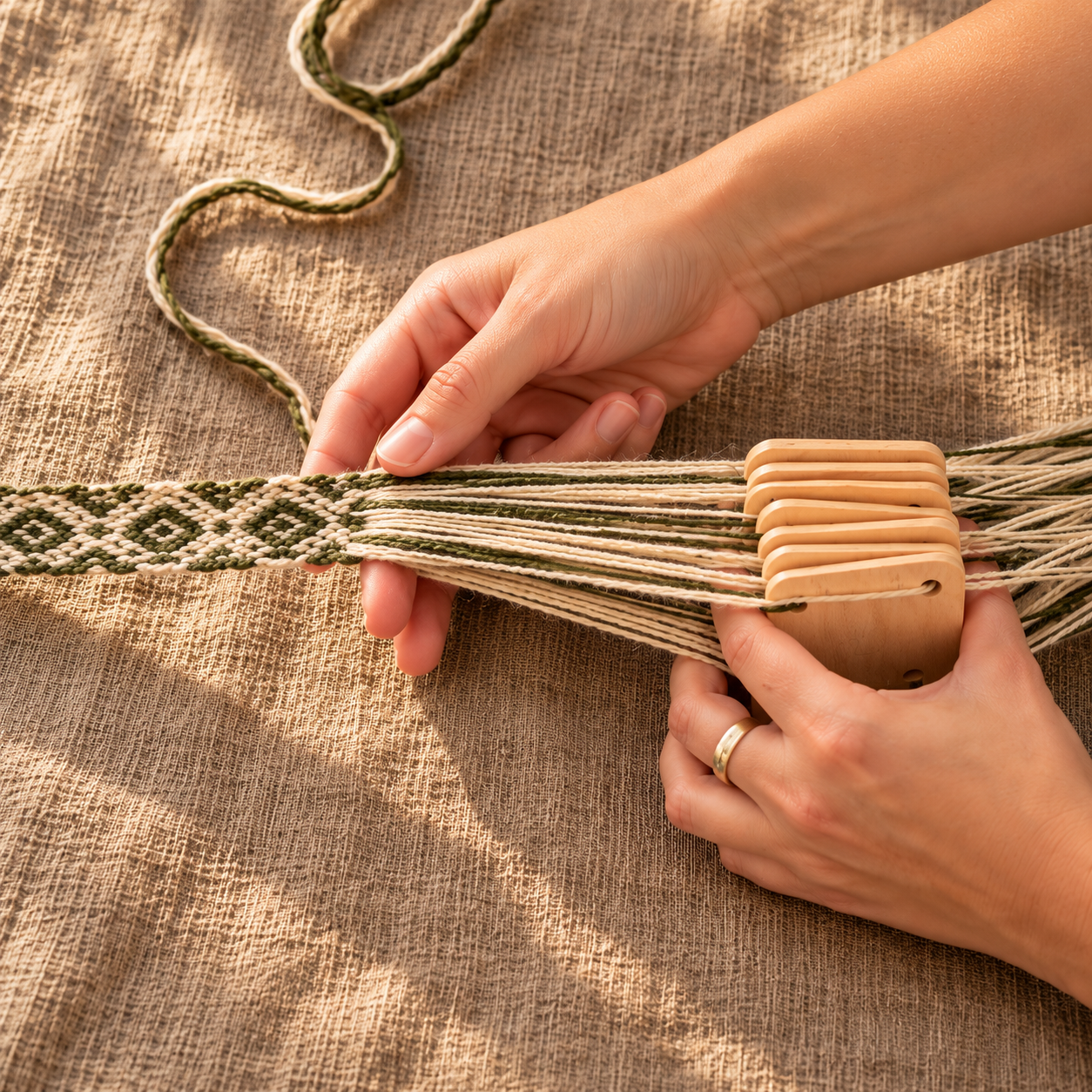
The automated tablet weaving machine is an original fusion of a historical textile craft and modern digital technologies. The aim of the project is not to replace traditional production, but to use today's technologies to create complex historical patterns more precisely, more efficiently and repeatably.
The fourth prototype generation
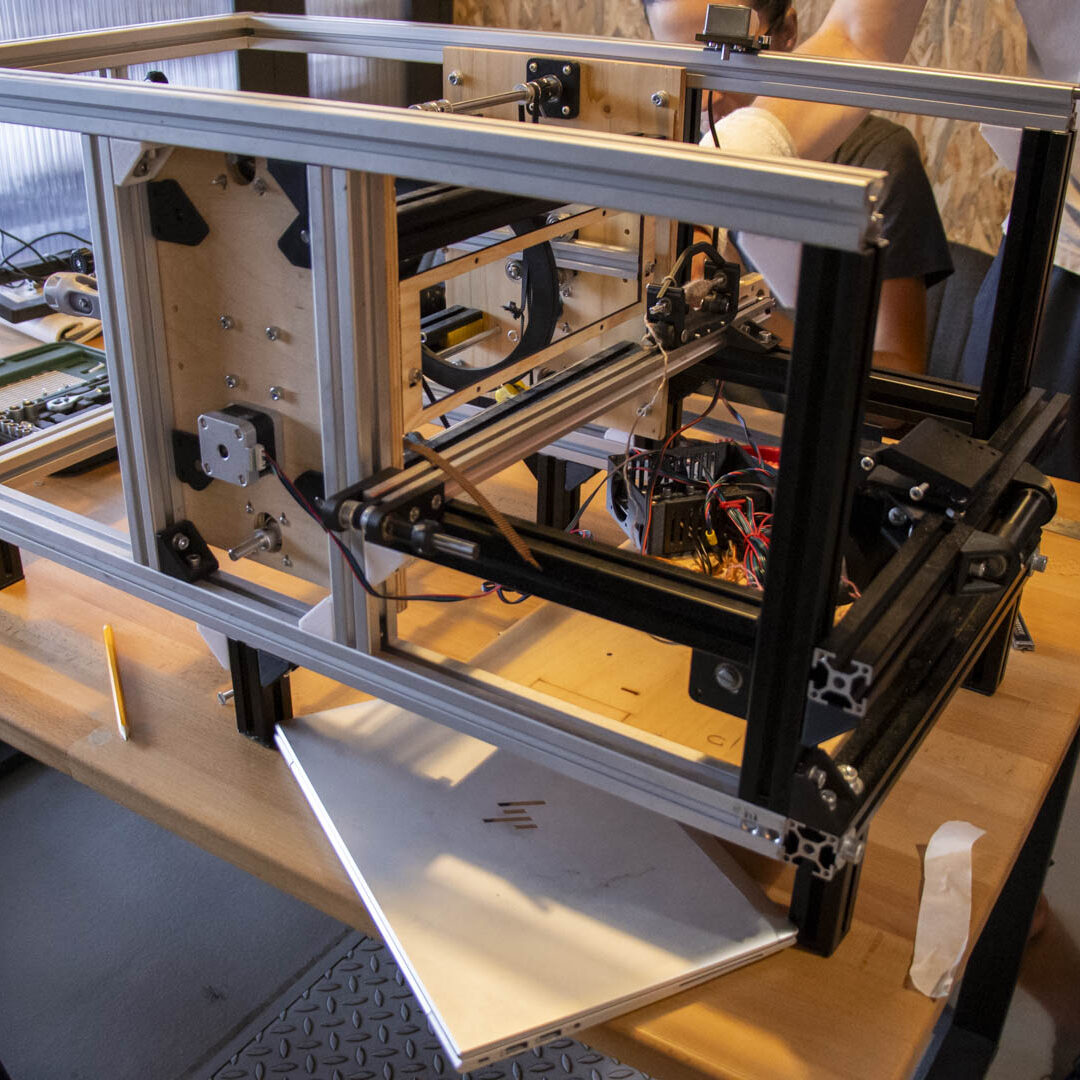
Development started completely from scratch and is now already on the fourth generation of a working prototype. Each iteration brought new insights, design changes and improvements to the mechanics, electronics and control of the machine.
Technology in the service of craft
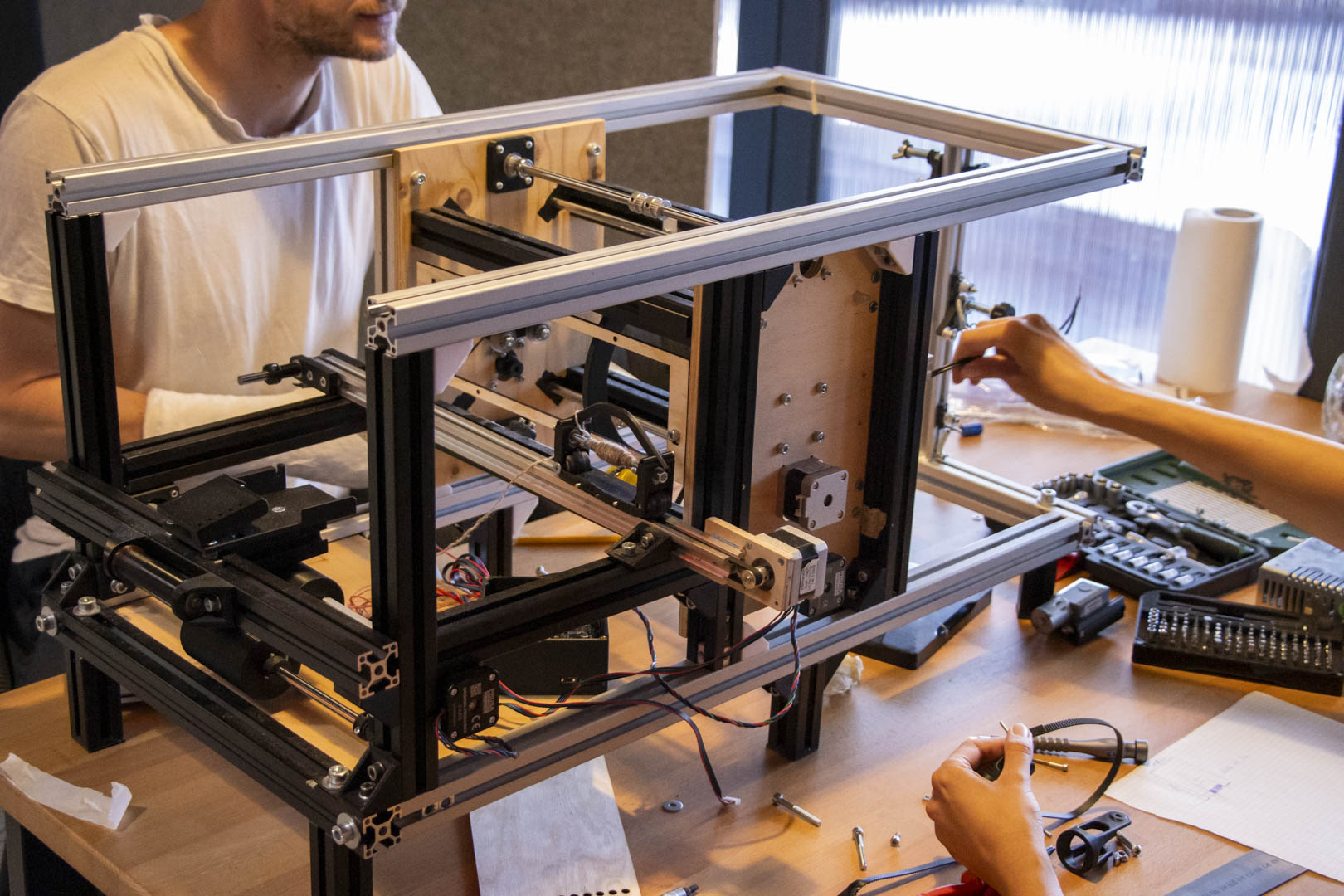
The project combines 3D printing, CNC machining, custom firmware and stepper motors borrowed from the world of 3D printers. The result is a device that can automate a process that for centuries was done exclusively by hand.
Development backed by expert support
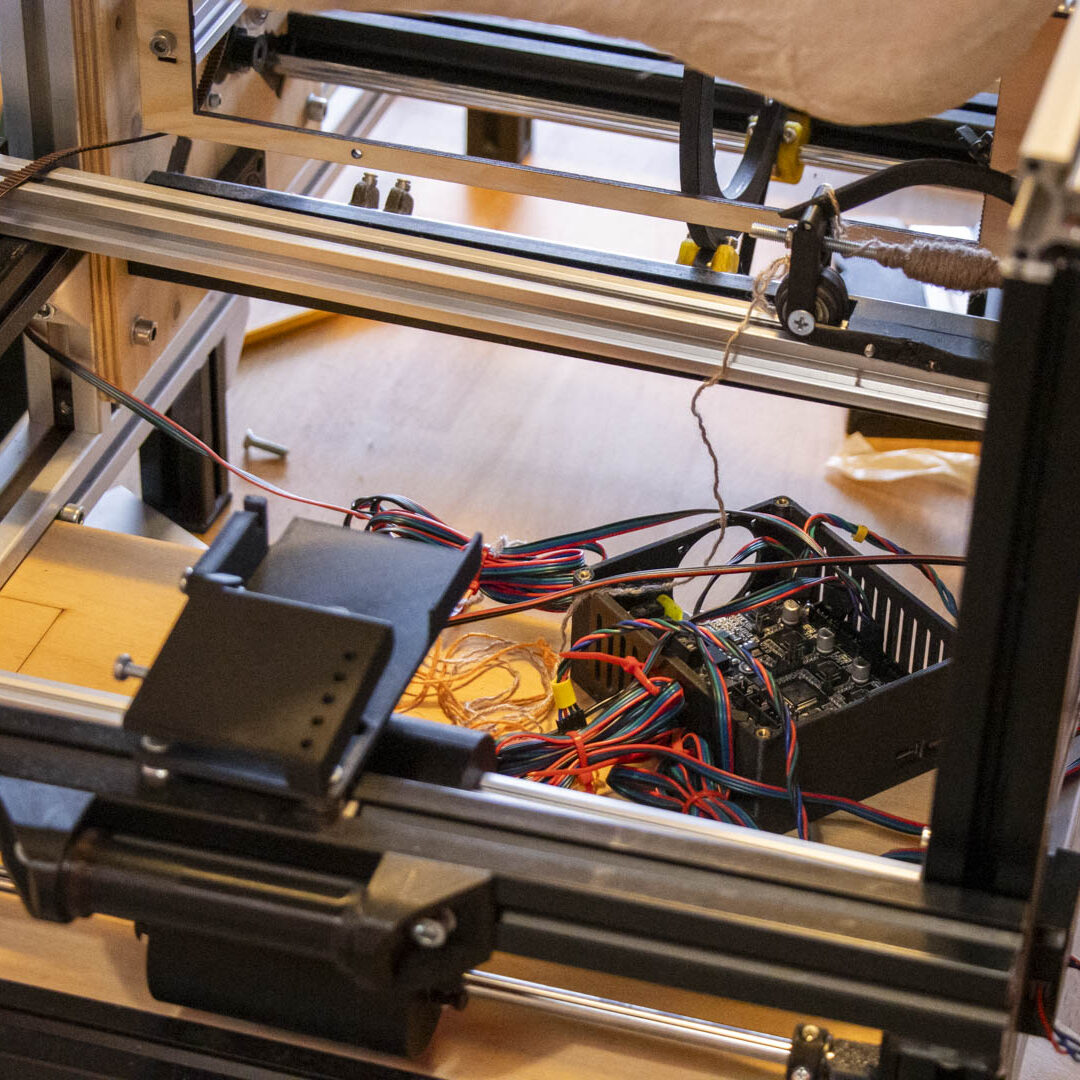
PrusaLab was involved in the project primarily as a technology partner. Consultations with our workshop experts, the ability to produce new parts quickly and to test individual ideas right away significantly sped up development and helped eliminate a number of design dead ends.
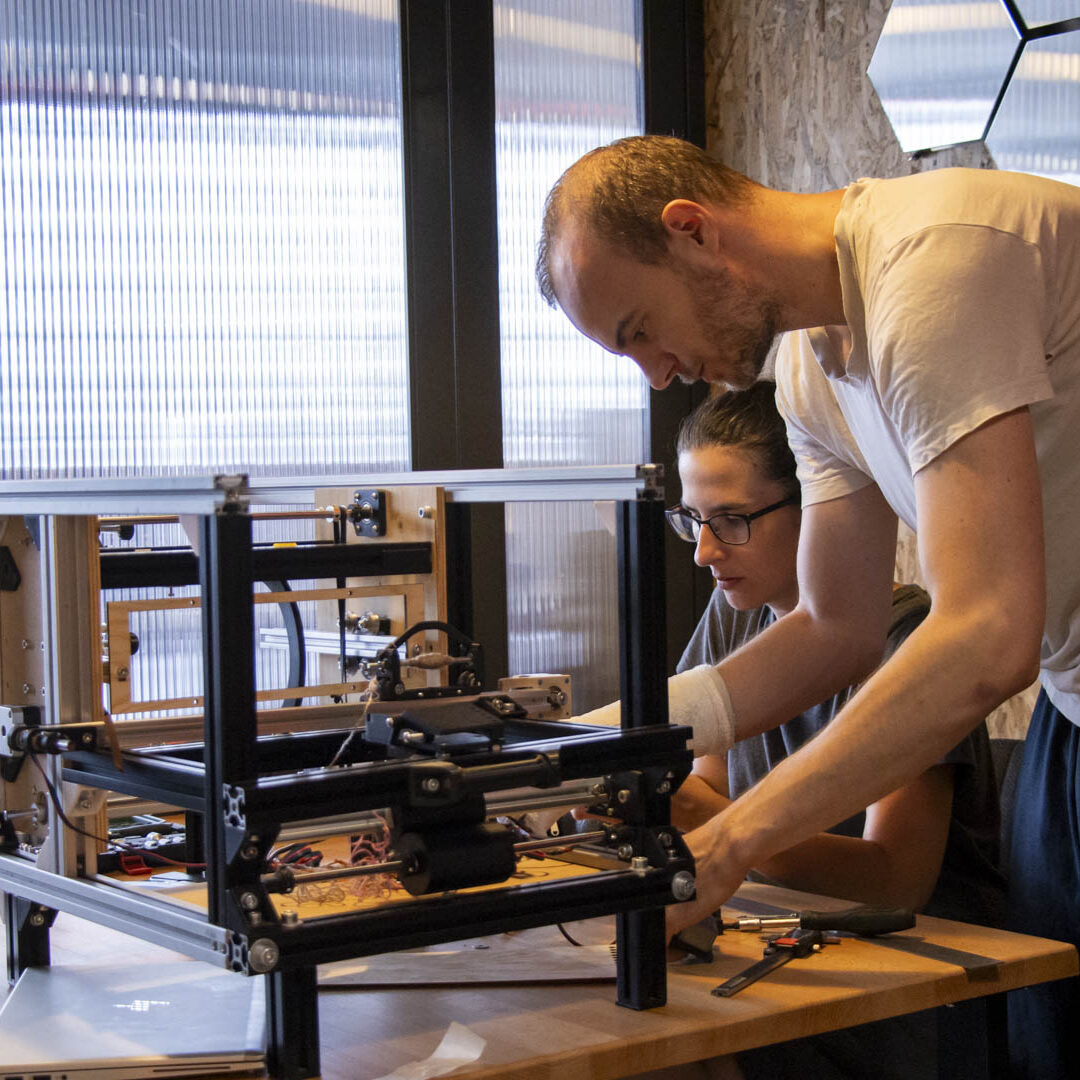
When a historical craft meets CNC technology
The project is the work of Honza and Kačka, who set out to solve a problem familiar to people working with historical textiles. Tablet-woven bands – intricately woven decorative strips used, for example, on historical garments – are traditionally made by hand using a set of square tablets, which are turned against each other to create the characteristic patterns.
The process is time-consuming and requires considerable experience. That is exactly why the idea of automating it came about.
Many people told the creators that such a machine was impossible to build. That only gave them more motivation to prove the opposite.
From G-code to a historical pattern
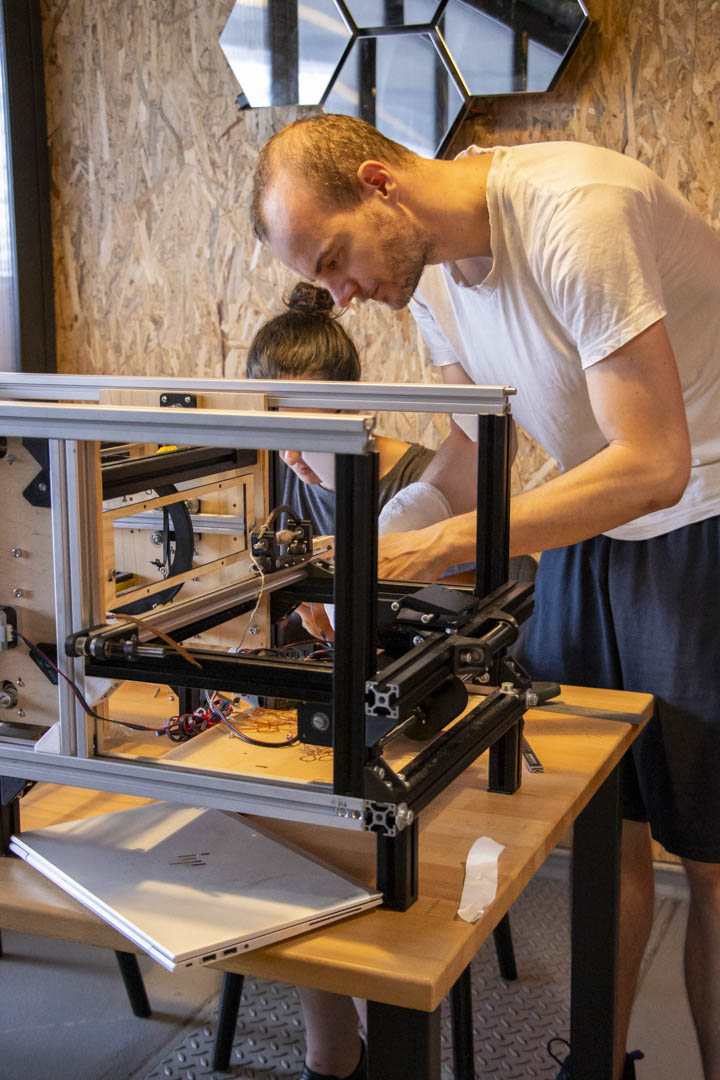
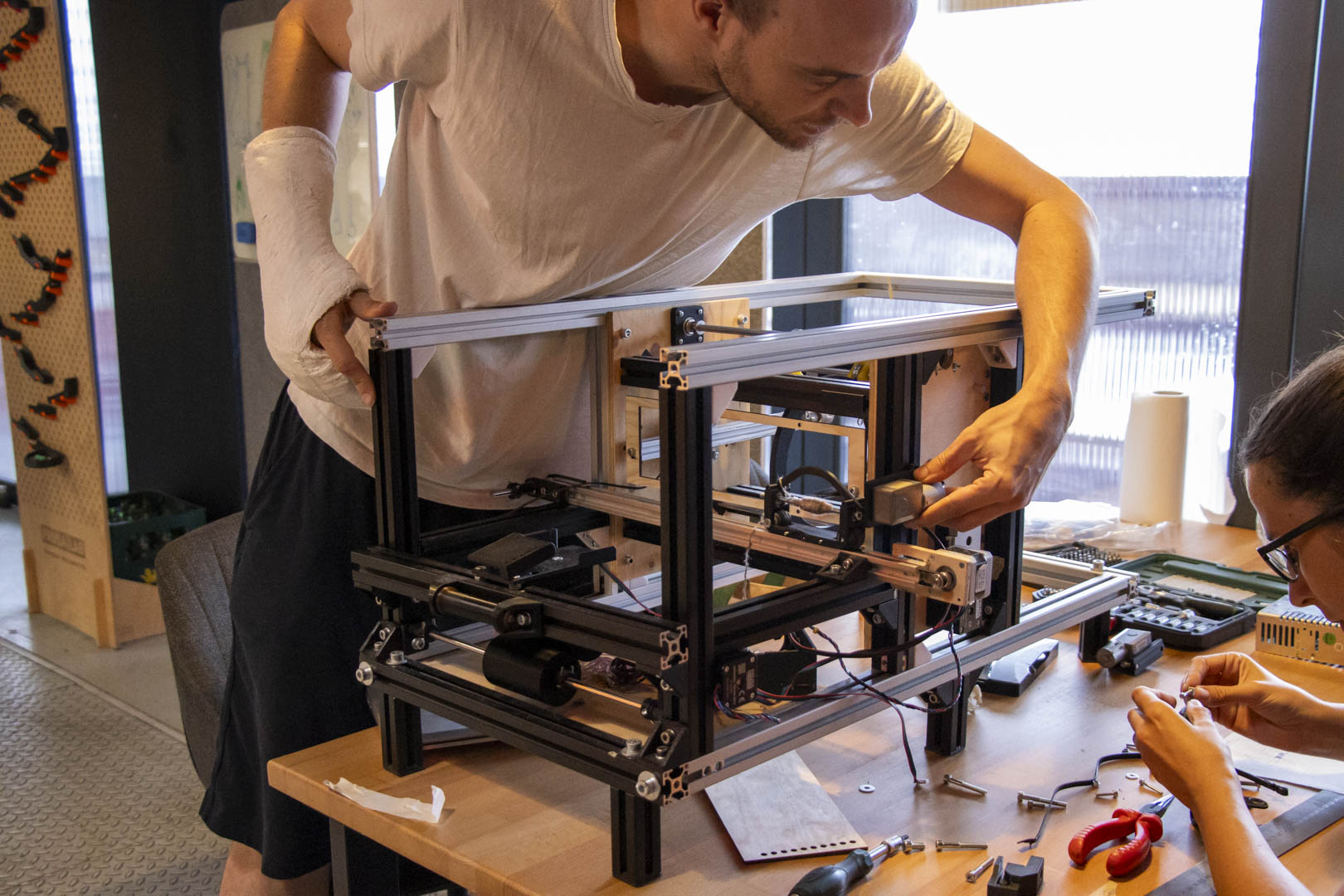
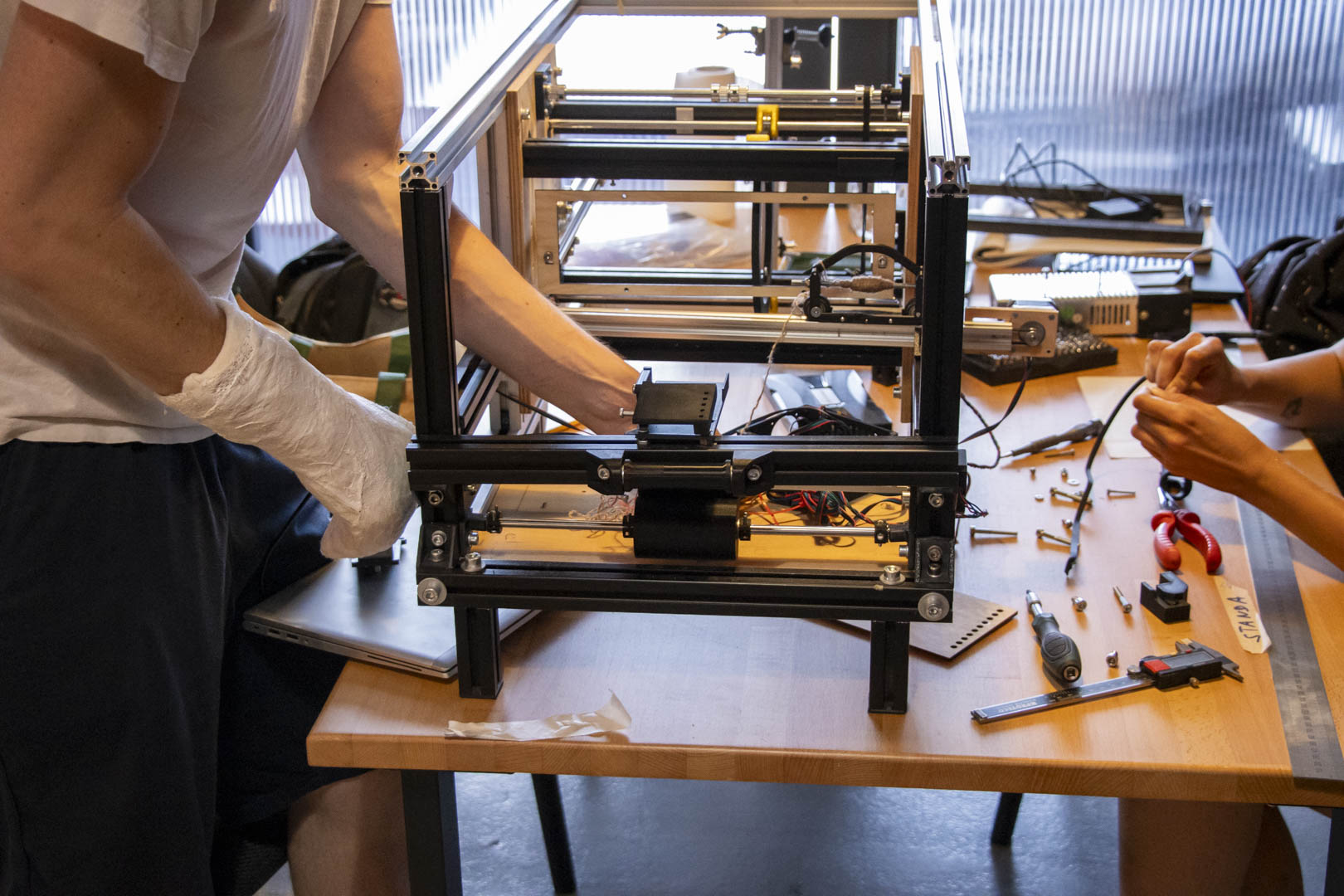
The result of long-term development is a unique CNC tablet weaving machine. Instead of turning the individual tablets by hand, it uses stepper motors controlled by modified firmware derived from the world of 3D printers.
The principle is surprisingly similar to 3D printing itself. Just as a printer performs movements according to G-code, this machine can automatically create the desired textile patterns based on a prepared program.
The development required not only designing custom mechanics, but also modifying the control electronics and firmware. For example, the creators modified the printer firmware so that an additional stepper motor could be driven through the original output intended for the heated bed.
Rapid prototyping instead of trial and error
During development, the prototype has already reached its fourth generation. Each new version brought design changes that needed to be tested in practice as quickly as possible.
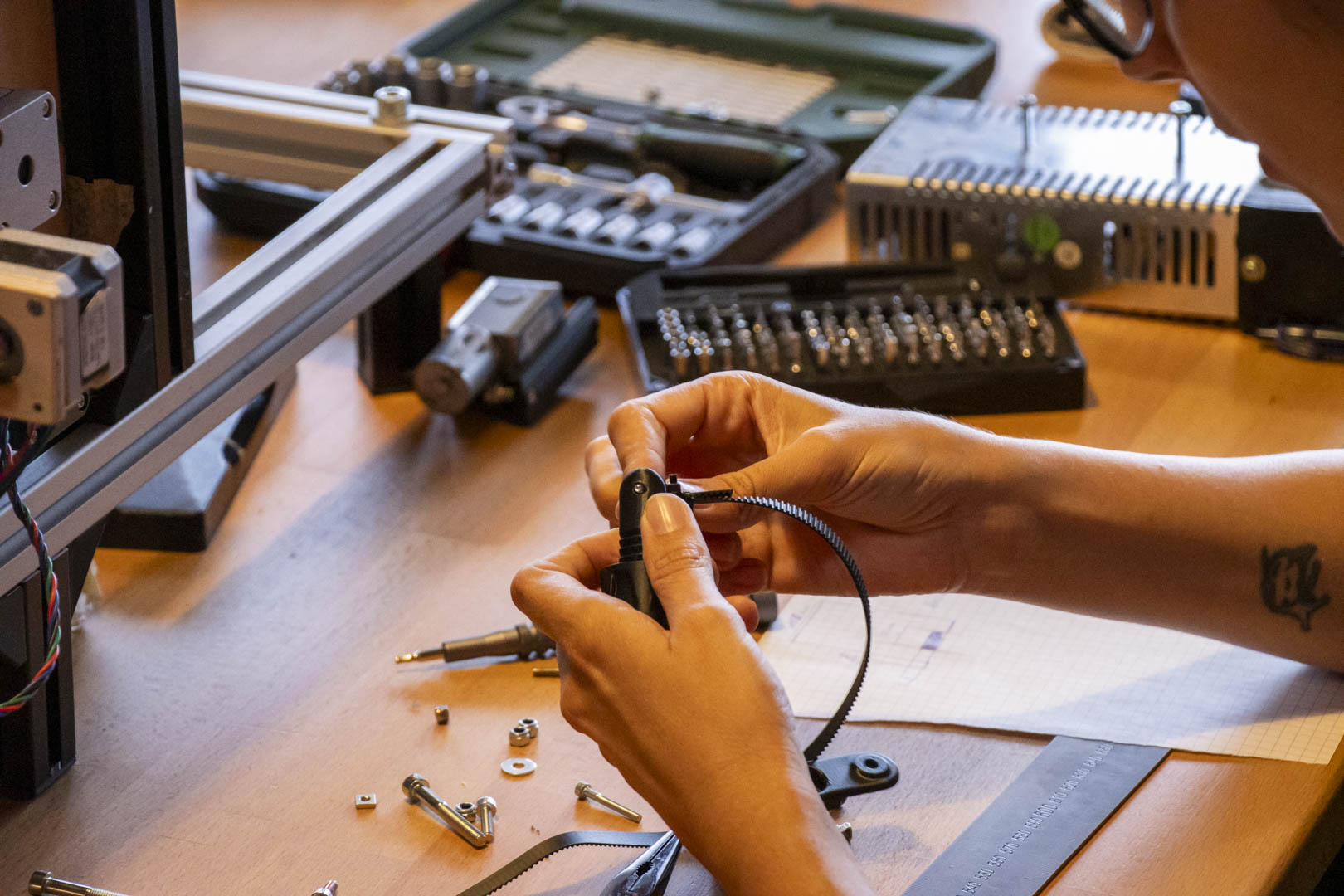
This is where PrusaLab's facilities played an important role. The creators could continuously use CNC machines, 3D printing and other technologies and produce individual parts practically immediately. Consultations with our workshop experts were just as important.
As Honza himself describes it, joint brainstorming often uncovered problems that would only have surfaced much later had they been developing on their own. Thanks to this, many dead ends could be eliminated before they turned into wasted time or costs.
Another big advantage was the ability to work directly with the various materials and components available in the workshop. Instead of ordering parts to their home, they could try out individual variants immediately, adjust them and test them again.
Mastering one module first
The project is currently focused on fine-tuning a single fully functional module. Once its reliability has been verified, the creators plan to expand the whole system further so that it can produce ever more complex patterns with higher productivity.
Interestingly, the machine itself is not intended for sale. It serves as a production tool for Honza and Kačka's own production of historical tablet-woven bands, which they want to offer to customers.
The project is a great example of how digital manufacturing does not have to replace traditional crafts. On the contrary, it can open up entirely new possibilities for them and help preserve techniques that would otherwise remain dependent solely on manual work.