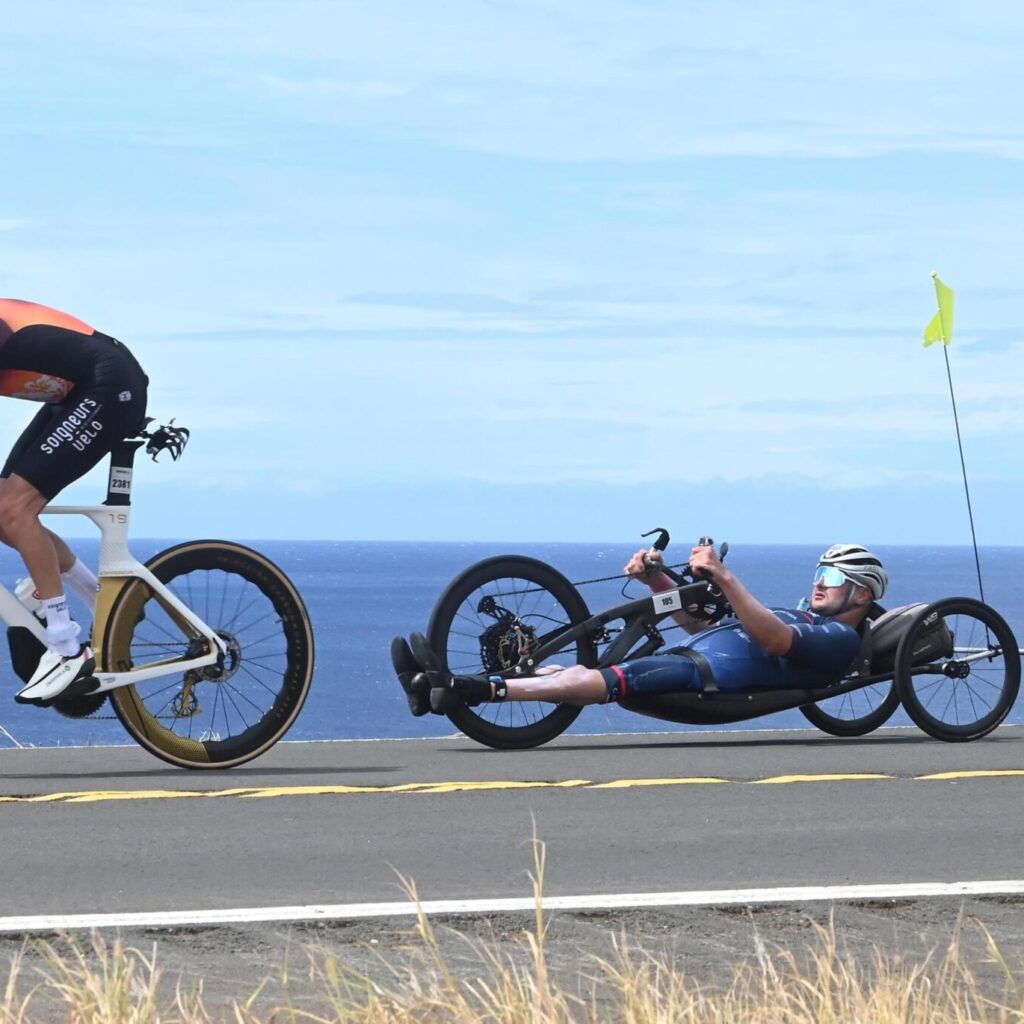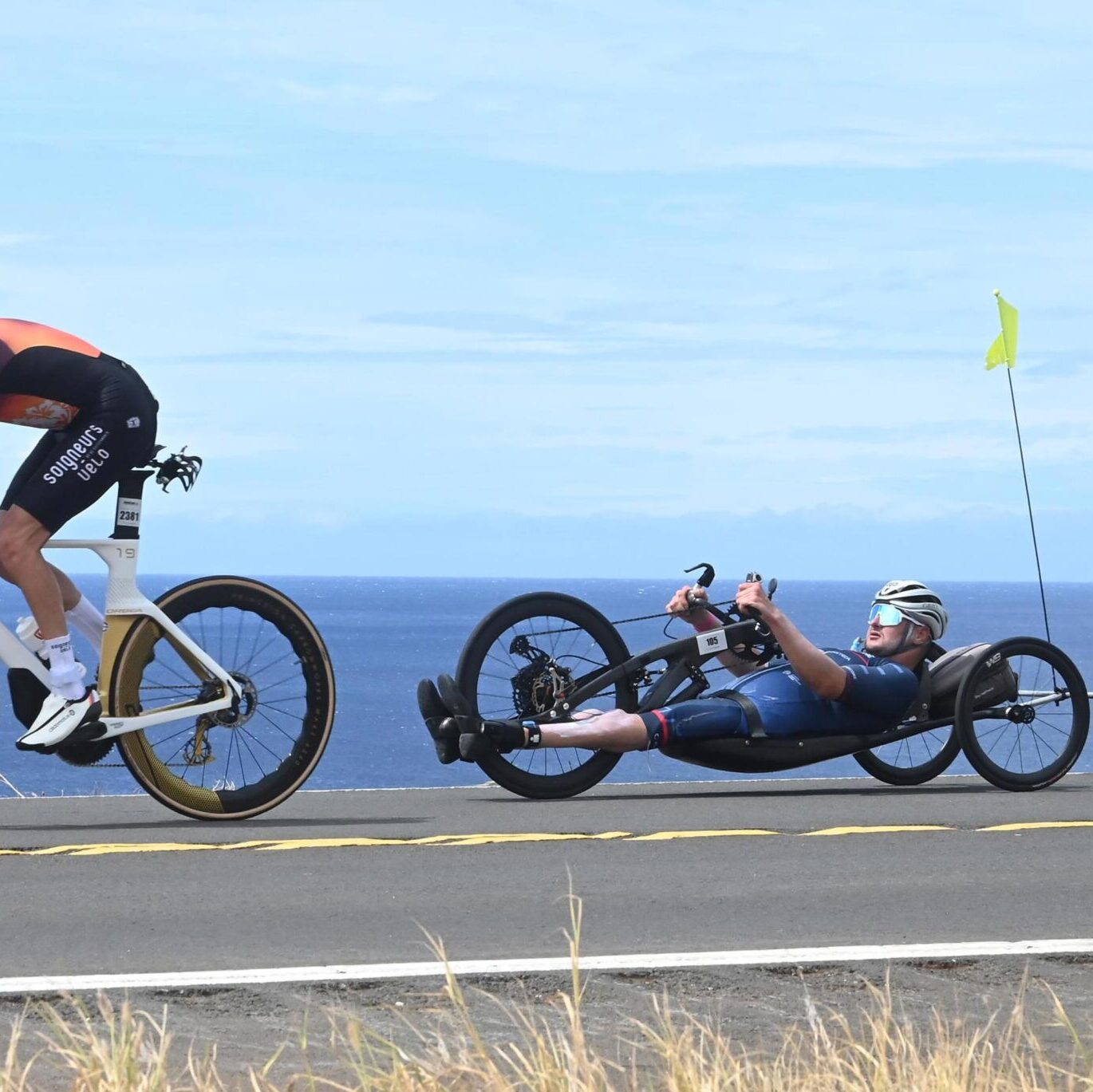
When sport, technology and an individual approach are combined, something extraordinary can be created. And that is precisely what we are currently working on in PrusaLab. For several weeks now, we have been prototyping an exceptional custom project for Honza Tománek, a Czech paratriathlete, multiple IRONMAN finisher and a man who knows very well what it means to push one's own limits.
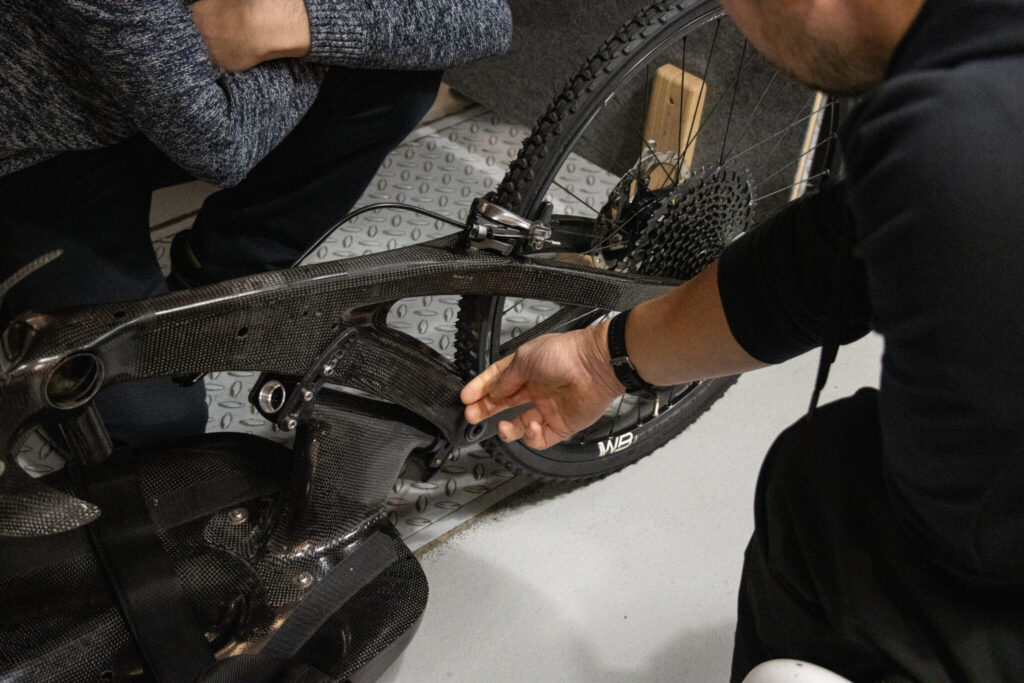
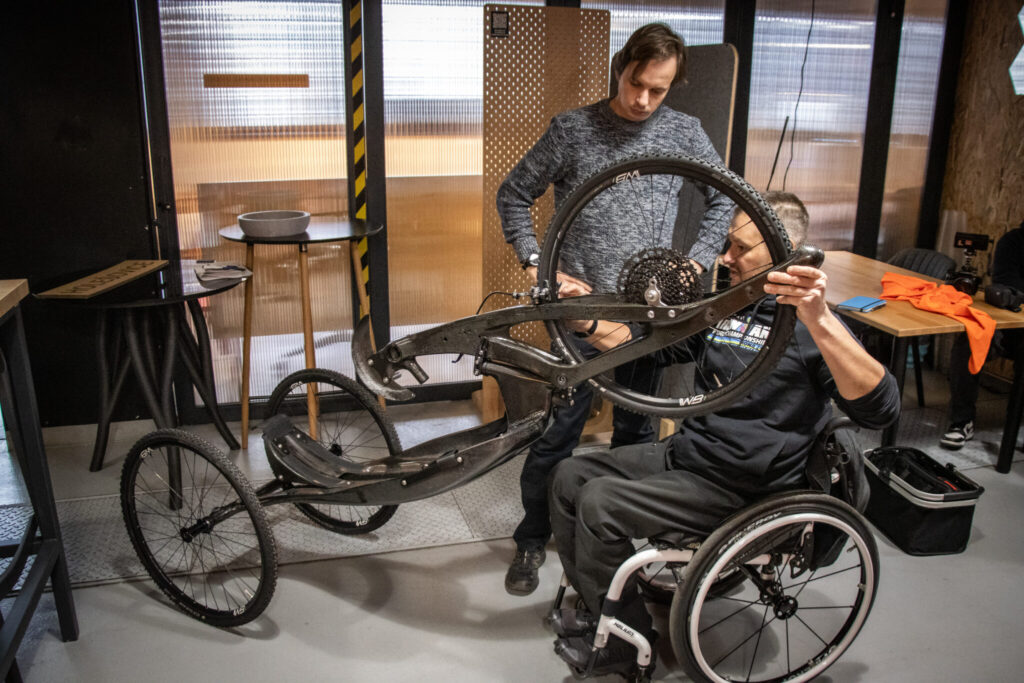
We are jointly developing a special custom front fork for his racing handbike. However, this is not just about a new component. It is about combining ergonomics, mechanics and digital design, which can significantly influence the athlete's comfort and performance. This article is the first of several in which we will guide you through the entire process: from the initial designs to the final carbon part.
When standard solutions are not enough
Honza Tománek is among the most successful Czech paratriathletes and has a number of extreme endurance races behind him, including the legendary Ironman in Hawaii. In his case, however, physical fitness is not the only thing that plays a role. The equipment itself is equally important.
Every gram, every angle and every detail of the geometry can determine comfort during a race as well as the final performance. Honza therefore approached us with a specific problem: his current front fork no longer matched what he needed from his bike.
Standard catalogue parts are simply not enough in such a case. And this is precisely where the power of digital manufacturing and a tailored approach becomes apparent.
From initial sketches to a functional prototype
We initiated the development with a series of consultations, measurements and joint discussions on how the new fork should perform. This is how a component is created, designed precisely according to Honza's body parameters, riding style and the conditions in which he races.
The first step is the creation of a comprehensive 3D model that addresses the geometry, mounting and integration of all necessary components. This is followed by the production of a functional prototype using 3D printing, which can be fitted directly to the bike and tested in real-world operation.
Rapid prototyping is precisely what is key in similar projects. It allows us to react quickly to feedback, adjust details and verify variants within a few days that would mean weeks of work and significantly higher costs with traditional production.
If everything goes to plan, a 3D-printed mould will subsequently be created for the production of the final carbon version of the fork.
Why we enjoy similar projects
This project is not just about sport. It is an illustration of how 3D printing and digital manufacturing can help in solving very specific problems and creating products that would not otherwise exist at all.
We look for precisely such projects in PrusaLab. We help individuals, startups and companies turn ideas into functional prototypes and validate solutions that have a real impact.
And in Honza Tománek's case, that impact is the opportunity to push the boundaries of his own performance a little further again.
This is only the beginning. In the coming weeks, we will show you the first prototype, testing directly on the bike, and the journey towards the final carbon version. We are also preparing a video interview with Honza, in which he will explain why he embarked on the project and what it means to him to have a component truly designed to measure.
Follow our blog and social media: the most interesting stuff is yet to come.